Homeowners considering smart home enhancements in 2026 will find a landscape matured beyond early adoption, moving towards integration and efficiency. This article outlines essential upgrades, focusing on practicality, long-term value, and seamless operation for every homeowner. The emphasis is on tangible benefits rather than novelty.
A reliable and secure network underpins any effective smart home. Without a strong backbone, even the most sophisticated devices will underperform.
Network Infrastructure Enhancement
Wi-Fi 7 and Mesh Systems: While Wi-Fi 6E is currently prevalent, Wi-Fi 7 (802.11be) is expected to see wider adoption and more affordable hardware by 2026. Homeowners should prioritize upgrading to a Wi-Fi 7-capable mesh system. This technology offers significantly higher speeds, lower latency, and increased capacity, crucial for homes packed with smart devices, 4K streaming, and potential VR/AR applications. Mesh systems ensure comprehensive coverage, eliminating dead zones often encountered in larger or multi-story homes.
Ethernet Backhaul: For optimal performance, especially for fixed devices like smart TVs, desktop computers, and network-attached storage (NAS), a wired Ethernet backhaul for mesh nodes is highly recommended. This offloads traffic from the wireless spectrum, improving overall network stability and speed for all connected devices. Running Ethernet cables during renovations or new constructions is a prudent long-term investment.
Dedicated IoT Network Segmentation: Isolating smart home devices onto a separate VLAN (Virtual Local Area Network) enhances security and performance. This prevents potential breaches on an IoT device from compromising the main home network where sensitive data resides. Many modern routers and mesh systems offer this functionality, or it can be configured manually with more advanced networking equipment.
Enhanced Cybersecurity Protocols
Advanced Router Security Features: Homeowners should ensure their router supports and utilizes advanced security features such as WPA3 encryption, intrusion detection systems (IDS), and regularly updated firmware. These features provide a stronger defense against unauthorized access and malware.
Regular Firmware Updates: Consistent firmware updates for all smart devices, not just the router, are critical. Manufacturers frequently release patches to address newly discovered vulnerabilities. Automating these updates where possible, or setting reminders for manual checks, is a necessary practice.
Strong, Unique Passwords: The fundamental practice of using strong, unique passwords for every smart device and online account remains paramount. Password managers are highly recommended to facilitate this. Default passwords should be changed immediately upon device setup.
Climate Control and Energy Efficiency
Optimizing climate control and energy consumption not only reduces utility bills but also contributes to a more comfortable living environment.
Smart Thermostats and Zoned Heating/Cooling
Advanced Learning Thermostats: Smart thermostats have evolved beyond basic scheduling. By 2026, those incorporating advanced machine learning algorithms will be able to more accurately predict occupancy patterns and thermal preferences, optimizing heating and cooling cycles with minimal manual intervention. Integration with local weather forecasts for proactive adjustments will also be a standard feature.
Multi-Zone Systems: For homes with varying heating and cooling needs across different areas, implementing a multi-zone system with individual smart sensors allows for granular control. This prevents overheating or overcooling unused rooms, leading to significant energy savings. Options range from full HVAC zoning to smart vents that regulate airflow to individual rooms.
Humidity and Air Quality Monitoring: Integrated sensors for monitoring indoor humidity levels and air quality (VOCs, particulate matter) are becoming more common. These systems can trigger dehumidifiers, humidifiers, or air purifiers automatically, improving indoor air comfort and health.
Smart Blinds and Window Treatments
Automated Light and Thermal Regulation: Smart blinds and shades can be programmed to adjust based on time of day, sunlight intensity, or even interior temperature. During summer, they can close to block direct sunlight, reducing heat gain. In winter, they can open to maximize passive solar heating. This automatic adjustment conserves energy and maintains comfortable indoor temperatures.
Integration with Scene Management: Integrating smart blinds into broader smart home scenes allows for seamless environmental control. For example, a “Movie Night” scene could dim lights and close blinds simultaneously.
Energy Monitoring and Management
Whole-Home Energy Monitors: These devices provide real-time data on electricity consumption for the entire household, identifying energy-hungry appliances and potential areas for reduction. By 2026, more sophisticated monitors will offer appliance-level breakdowns without needing individual smart plugs.
Smart Plugs for Idle Load Reduction: While whole-home monitors are beneficial, smart plugs remain useful for individual appliances, especially those with “vampire drain” (consuming power even when off). Schedule these plugs to power down devices completely during non-use periods.
Enhanced Security and Access Control
Smart security moves beyond simple alarms, offering proactive monitoring and flexible access.
Advanced Smart Cameras and Doorbells
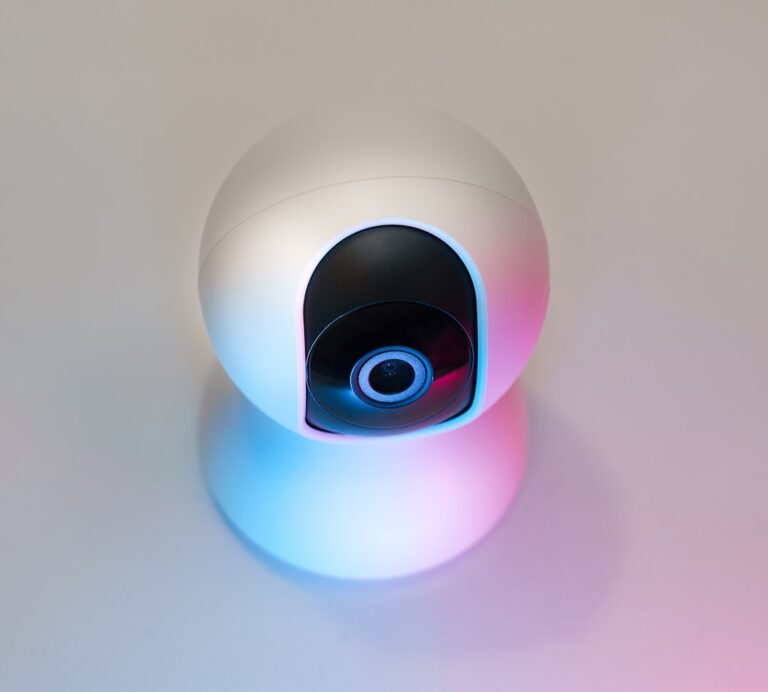
4K HDR and AI-Powered Analytics: Smart cameras and doorbells by 2026 will commonly feature 4K HDR video for superior image clarity, even in challenging lighting conditions. Integrated AI will offer more accurate person detection, pet detection, and package detection, significantly reducing false alerts.
Local and Cloud Storage Options: Homeowners should consider cameras offering both secure cloud storage (for offsite backup) and local storage (SD card or NVR) for redundancy and privacy. Encryption for both live feeds and stored footage is paramount.
Two-Way Audio and Siren Integration: Enhanced two-way audio for communication with visitors or deterring intruders, coupled with integrated sirens, provides immediate response capabilities directly from the device.
Smart Locks and Biometric Access
Keyless Entry with Biometric Options: Smart locks will offer more robust and reliable keyless entry options, including PIN codes, smartphone control, and increasingly, integrated fingerprint scanners or facial recognition for enhanced security and convenience.
Temporary Access Management: The ability to grant temporary access codes or virtual keys to guests, service providers, or family members simplifies access management without the need for physical key exchanges. These access permissions can be revoked or time-limited as needed.
Integration with Security Systems: Smart locks should integrate seamlessly with the broader home security system, allowing for automated actions like locking doors when the alarm is armed or unlocking them in an emergency.
Lighting and Ambiance
Smart lighting goes beyond ON/OFF, offering dynamic control for comfort, productivity, and security.
Dynamic Smart Lighting Systems
Circadian Lighting: By 2026, smart lighting systems will increasingly incorporate circadian rhythm functionality, automatically adjusting color temperature and brightness throughout the day to support natural sleep-wake cycles. Warmer, dimmer light in the evenings aids relaxation, while cooler, brighter light in the mornings can boost alertness.
Zoned and Task Lighting: Implementing zoned lighting allows for different areas of a room or home to have independent control. Task lighting, such as under-cabinet lights or desk lamps, can be integrated into the smart system for focused illumination as needed.
Presence Detection and Automation: Lighting systems integrated with motion or presence sensors can automate lights turning on and off as people enter and leave rooms, improving convenience and energy efficiency.
Ambient and Decorative Smart Lighting
RGBW and Addressable LED Strips: For creating specific moods or adding decorative flair, RGBW (Red, Green, Blue, White) LED strips offer millions of color options and dedicated white light. Addressable LED strips allow for individual control of each LED, enabling dynamic lighting effects.
Integration with Entertainment: Smart lighting can synchronize with music, movies, or gaming, creating immersive entertainment experiences by changing colors and brightness in response to on-screen content or audio cues.
Seamless Integration and Control
| Area of Upgrade | Percentage of Homeowners Planning to Upgrade |
|---|---|
| Smart Thermostat | 65% |
| Smart Security System | 58% |
| Smart Lighting | 52% |
| Smart Appliances | 45% |
| Smart Entertainment System | 40% |
The ultimate goal of a smart home is cohesive operation, not a collection of disparate gadgets.
Centralized Control Hubs and Voice Assistants
Matter and Thread Adoption: The Matter standard, designed to ensure interoperability between different smart home devices and ecosystems, will be a significant factor by 2026. Homeowners should prioritize devices that support Matter, as it greatly simplifies device setup and integration. Thread, a low-power wireless mesh networking protocol often used with Matter, also contributes to a more resilient and responsive smart home.
Smart Displays and Tablets as Hubs: Dedicated smart displays (e.g., Google Nest Hub, Amazon Echo Show) or repurposed older tablets can serve as central control panels for managing various smart devices, showing camera feeds, and providing information at a glance.
Advanced Voice Assistant Integration: Voice assistants will offer more nuanced command recognition and context awareness by 2026, allowing for complex multi-step automations and more natural interactions. Choosing an ecosystem (Google Home, Amazon Alexa, Apple HomeKit) and sticking to it for core control helps maintain consistency.
Advanced Automation and Routines
Contextual Awareness: Smart homes in 2026 will leverage more contextual data (weather, time of day, occupancy, calendar events) to trigger routines. For instance, the house could pre-cool based on an anticipated scorching afternoon and a calendar appointment indicating the homeowner will be home soon.
Machine Learning for Proactive Actions: Beyond basic routines, machine learning will enable more proactive adjustments. The system might learn the optimal humidifier settings based on outdoor humidity and occupant comfort feedback, or anticipate light adjustments based on the time of year and natural light levels.
User-Configurable Logic: While advanced AI will handle some aspects, homeowners will still need access to powerful but user-friendly interfaces for creating custom automations using “if-then” logic, triggers, and conditions across different device types.
Investing in smart home upgrades in 2026 means focusing on practical enhancements that deliver tangible benefits in terms of security, comfort, energy efficiency, and convenience. The emphasis is on building a robust, integrated, and future-proof system leveraging established and emerging standards like Wi-Fi 7, Matter, and Thread, alongside intelligent automation and advanced security protocols.
FAQs
1. What are the key upgrades homeowners should consider for their smart homes in 2026?
In 2026, homeowners should prioritize upgrading their smart home security systems, integrating smart appliances, investing in energy-efficient technologies, implementing voice-controlled assistants, and enhancing their home automation systems.
2. How can smart home security systems be upgraded in 2026?
Homeowners can upgrade their smart home security systems by installing advanced surveillance cameras, smart door locks, motion sensors, and integrating these devices with a central monitoring system that provides real-time alerts and remote access.
3. What are the benefits of integrating smart appliances into a home in 2026?
Integrating smart appliances into a home in 2026 can provide benefits such as improved energy efficiency, remote control and monitoring capabilities, automated maintenance alerts, and the ability to customize settings for personalized convenience.
4. What energy-efficient technologies should homeowners prioritize for their smart homes in 2026?
Homeowners should prioritize upgrading to energy-efficient LED lighting, smart thermostats for heating and cooling control, solar panels for renewable energy generation, and smart power strips to reduce standby power consumption.
5. How can homeowners enhance their home automation systems in 2026?
Homeowners can enhance their home automation systems in 2026 by integrating smart hubs for centralized control, expanding the range of compatible smart devices, customizing automated routines, and incorporating advanced AI and machine learning capabilities for predictive automation.