A bathroom remodel, often perceived as a daunting undertaking, can be a cornerstone project for enhancing a home’s functionality and aesthetic appeal. This article offers comprehensive guidance on navigating the complexities of bathroom renovation, providing practical tips and considerations for a successful transformation.
A successful bathroom remodel begins long before any demolition commences. Meticulous planning is the bedrock upon which the entire project rests, minimizing unforeseen complications and ensuring efficient execution.
Defining Scope and Budget
Before embarking on any renovation, it is imperative to establish a clear scope of work and a realistic budget. The scope defines the extent of the remodel, from minor cosmetic upgrades to a complete structural overhaul. A detailed list of desired changes, including fixtures, finishes, and layout modifications, is essential. Concurrently, a comprehensive budget, acting as a financial blueprint, must be developed. This budget should encompass not only materials and labor but also a contingency fund, typically 10-20% of the total, to absorb unexpected expenses. Neglecting this crucial step can lead to project delays, financial strain, and dissatisfaction.
Researching Design Styles and Inspiration
The plethora of design styles available for bathrooms can be overwhelming. Homeowners are encouraged to immerse themselves in research, exploring various aesthetics to identify a style that resonates with their preferences and complements the overall architectural style of their home. This research phase can involve perusing design magazines, online platforms, and visiting showrooms. Creating a mood board, a visual collection of images, textures, and color palettes, serves as a powerful tool for coalescing design ideas and communicating them effectively to professionals. Popular styles include minimalist, contemporary, traditional, farmhouse, and industrial, each with distinct material palettes and design principles.
Considering Practicality and Functionality
While aesthetics are important, the primary function of a bathroom dictates that practicality and functionality take precedence. This involves a critical assessment of the current layout and identifying areas for improvement. Questions to consider include: Is the current layout efficient? Are there sufficient storage solutions? Is the lighting adequate? Can the space be optimized for comfort and accessibility? For instance, a small bathroom might benefit from space-saving fixtures like a wall-mounted toilet or a corner sink, while a larger bathroom could accommodate a walk-in shower or a double vanity. The aim is to create a space that is not only visually appealing but also highly efficient and tailored to the users’ needs.
If you’re considering a bathroom remodel, you might find inspiration and practical tips in a related article that discusses how to effectively plan and execute home improvement projects. For more information on enhancing your living space, check out this helpful guide on ice fishing techniques that can also provide insights into patience and strategy in home renovations. You can read it here: How to Target Lake Trout While Ice Fishing: A Comprehensive Guide.
Design and Layout Considerations: Crafting the Blueprint
The design and layout phase translates the initial planning into a tangible blueprint, outlining the spatial arrangement and material selections. This stage requires careful consideration of both aesthetic principles and practical constraints.
Optimizing Small Spaces
Renovating a small bathroom presents a unique set of challenges and opportunities. The aim is to create an illusion of spaciousness while maximizing utility. This can be achieved through several strategic design choices. Wall-mounted fixtures, such as toilets and vanities, free up floor space, contributing to a more open feel. Large-format tiles, particularly in lighter colors, can visually expand the room by reducing the number of grout lines. Integrated storage solutions, such as recessed shelving or mirrored cabinets, offer practical storage without encroaching on valuable floor area. Furthermore, strategic lighting, including sufficient task lighting and ambient lighting, can create a brighter, more expansive atmosphere.
Enhancing Accessibility and Universal Design
For many homeowners, especially those planning for long-term residency or with family members requiring specific accommodations, incorporating accessibility features and principles of universal design is paramount. This involves designing a bathroom that is usable by individuals of all ages and abilities. Wider doorways, curbless showers, grab bars subtly integrated into the design, and adjustable-height showerheads are examples of such features. Non-slip flooring materials are also crucial for safety. Embracing universal design not only enhances the usability of the bathroom for current occupants but also adds long-term value to the home.
Selecting Fixtures and Finishes
The selection of fixtures and finishes acts as the palette for the bathroom’s visual identity. Each element contributes to the overall aesthetic and functionality. When choosing fixtures such as toilets, sinks, faucets, and showers, considerations include water efficiency, durability, and compatibility with the chosen design style. Finishes, encompassing tiles, countertops, cabinetry, and paint colors, dictate the tactile and visual experience of the space. Material selections should balance aesthetic appeal with practical considerations such as maintenance requirements and durability in a moisture-rich environment. For example, porcelain tiles are highly durable and resistant to water, making them an excellent choice for bathroom floors and walls. Natural stone, while aesthetically pleasing, requires more maintenance.
Material Choices: The Building Blocks of Beauty and Durability
The selection of appropriate materials is critical for both the aesthetic success and the long-term durability of a bathroom remodel. Each material possesses distinct properties that must be considered in the context of a high-moisture environment.
Flooring Options
Bathroom flooring must withstand constant moisture, fluctuations in temperature, and regular foot traffic. Common and effective options include ceramic and porcelain tiles, which are highly water-resistant, durable, and available in an extensive range of colors, sizes, and patterns. Their non-porous nature makes them resistant to mold and mildew. Natural stone, such as marble, granite, or travertine, offers a luxurious aesthetic but typically requires more maintenance, including periodic sealing, to prevent staining and water penetration. Vinyl and luxury vinyl plank (LVP) are cost-effective, water-resistant, and offer a wide variety of visual styles, including wood and stone imitations. Engineered wood, while visually appealing, is less suitable for areas prone to direct water exposure and requires careful installation.
Countertops and Vanities
Countertops serve as both a functional surface and a significant design element. Quartz and granite are popular choices due to their durability, stain resistance, and aesthetic appeal. Quartz, an engineered material, offers consistent patterns and colors, while granite, a natural stone, presents unique veining and variations. Both are highly resistant to heat and scratches, making them ideal for bathroom use. Solid surface materials, like Corian, provide seamless integration with sinks, creating a sleek, easy-to-clean environment. Laminate, while more budget-friendly, is less durable and can be susceptible to water damage at seams. Vanities, which house the sink and often provide storage, come in various styles, from free-standing to wall-mounted, and are constructed from materials such as solid wood, MDF (medium-density fiberboard), and plywood. The material choice for the vanity impacts both its aesthetic contribution and its longevity in a humid environment.
Wall Treatments and Shower Enclosures
Wall treatments in a bathroom must tolerate splashes and condensation. Tiles are a perennial favorite due to their water resistance, durability, and visual versatility. They can be used to create accent walls, wainscoting, or fully tiled showers. Paint, specifically moisture-resistant or mold-inhibiting varieties, is suitable for walls outside of direct splash zones. Wallpaper designed for bathrooms, often vinyl-coated, can introduce patterns and textures. Shower enclosures are pivotal in confining water and defining the shower area. Options range from framed and frameless glass enclosures, which offer a contemporary and spacious feel, to shower curtains, a more economical and flexible choice. The material for the shower tray or pan is also important; acrylic, cultured marble, and tiled bases each offer different advantages in terms of durability, appearance, and installation.
Lighting and Ventilation: The Unsung Heroes
Adequate lighting and effective ventilation are not merely aesthetic enhancements; they are fundamental to the functionality, comfort, and longevity of a bathroom. Neglecting these aspects can lead to a dimly lit, stuffy environment and, more critically, to long-term issues such as mildew and structural damage.
Strategic Lighting Design
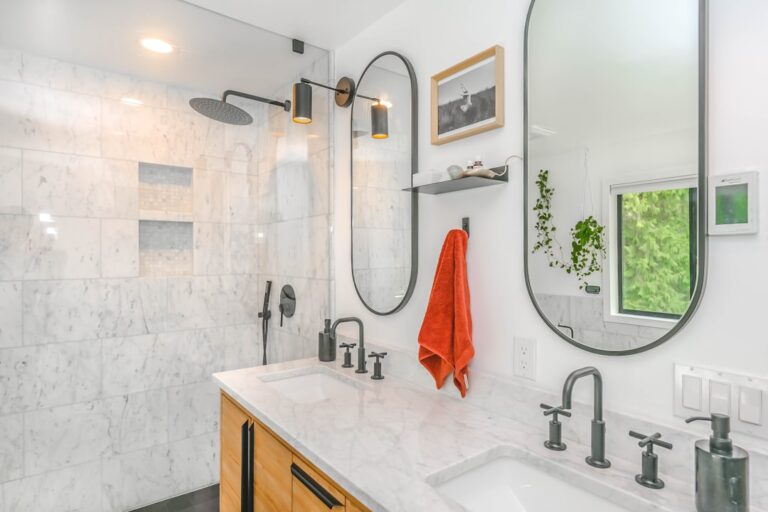
A well-designed lighting scheme is multifaceted, incorporating various layers to cater to different needs. Task lighting, typically located around the vanity mirror, is crucial for grooming activities. Sconces placed at eye level on either side of the mirror, or a horizontal fixture above, minimize shadows and provide even illumination. Ambient lighting, often provided by ceiling fixtures such as recessed lights or a central flush-mount fixture, illuminates the overall space. Accent lighting, through features like subtle LED strips under floating vanities or within shower niches, can highlight architectural details or create a sense of ambiance. Dimmable switches are a valuable addition, allowing for adjustment of light intensity for different moods and times of day. Natural light, where possible, should be maximized through windows or skylights, which not only brightens the space but also provides a connection to the outside.
Ensuring Proper Ventilation
The bathroom, by its very nature, is a high-humidity environment. Without proper ventilation, moisture can accumulate, fostering the growth of mold and mildew, damaging paint and finishes, and potentially leading to structural problems. An appropriately sized exhaust fan is essential for removing humid air and unpleasant odors. The fan’s capacity, measured in cubic feet per minute (CFM), should be matched to the size of the bathroom; a general rule of thumb is 1 CFM per square foot of bathroom area, with larger bathrooms or those with separate shower enclosures requiring higher capacities. The fan should be vented directly outside, not into an attic space, to effectively remove moisture. Consider models with integrated timers or humidity sensors for automatic operation. In bathrooms with windows, opening them during and after use provides supplementary ventilation, although an exhaust fan remains the primary method for effective moisture extraction.
If you’re considering a bathroom remodel, you might find inspiration in the clever storage solutions highlighted in a related article. By incorporating smart design elements, you can maximize both space and efficiency in your home. For instance, the small kitchen storage hacks discussed in this article can also be adapted for bathroom use, ensuring that every inch of your space is utilized effectively. To explore these innovative ideas, check out the article on small kitchen storage hacks that you’ll love.
Project Execution and Professional Assistance: Bringing the Vision to Life
| Metric | Average Value | Details |
|---|---|---|
| Average Cost | 15,000 | Typical full bathroom remodel |
| Project Duration | 2-4 weeks | From demolition to finishing |
| Return on Investment (ROI) | 60-70% | Value added to home resale price |
| Common Upgrades | New fixtures, tile, vanity | Includes shower/tub replacement |
| Labor Cost Percentage | 40-50% | Portion of total cost for labor |
| Material Cost Percentage | 50-60% | Portion of total cost for materials |
| Popular Styles | Modern, Contemporary, Traditional | Design trends in bathroom remodels |
The transition from planning and design to actual construction requires careful management and often the expertise of skilled professionals. This phase is where the blueprint transforms into a tangible reality.
Engaging Qualified Professionals
For any significant bathroom remodel, engaging qualified professionals is not merely advisable; it is often essential. General contractors act as project managers, coordinating various tradespeople, ensuring the project stays on schedule and within budget, and typically possessing the necessary licenses and insurance. Plumbers are indispensable for handling water supply lines, drainage, and fixture installations, ensuring compliance with local codes. Electricians are required for all wiring, lighting installations, and ensuring electrical safety. Tile setters are specialists in precise tile installation, crucial for both aesthetics and water barrier integrity. Engaging design professionals, such as interior designers or bathroom specialists, can also provide invaluable guidance on layout, material selection, and overall aesthetic cohesion. When selecting professionals, homeowners should prioritize those with demonstrable experience in bathroom remodels, check references, review portfolios, and ensure all necessary licenses and insurance are in place. Asking for detailed bids and contracts is also a critical step in avoiding misunderstandings.
Navigating Permits and Regulations
Bathroom remodels, particularly those involving changes to plumbing, electrical systems, or structural elements, are subject to local building codes and require permits. Ignoring these regulations can result in fines, the need for costly rework, and potential issues when selling the home. Homeowners are responsible for understanding and adhering to these requirements. While a general contractor often handles permit applications, it is ultimately the homeowner’s responsibility to ensure that the work is compliant. This typically involves submitting detailed plans to the local building department for review and approval before construction begins. Inspections by municipal officials at various stages of the project are common to confirm adherence to safety and building standards. Familiarity with these processes is key to a smooth and legally compliant renovation.
Project Timeline and Management
A realistic project timeline serves as a roadmap for the renovation process. While timelines can vary significantly based on the scope of the remodel and material availability, a typical complete bathroom renovation can range from several weeks to several months. Key stages include demolition, rough-in (plumbing and electrical), inspection, drywall/finishing, flooring installation, fixture installation, and final touches. Effective project management involves regular communication with contractors, monitoring progress against the timeline, and making timely decisions on selections. Delays in material delivery or unforeseen issues can impact the schedule, necessitating flexibility. Homeowners should establish clear communication channels with their contractors and maintain detailed records of all agreements, invoices, and communications. This organized approach helps mitigate potential problems and keeps the project moving forward efficiently towards its successful completion.
FAQs
What are the common steps involved in a bathroom remodel?
A bathroom remodel typically involves planning and design, demolition of existing fixtures, plumbing and electrical updates, installation of new fixtures and finishes, and final touches such as painting and decorating.
How long does a bathroom remodel usually take?
The duration of a bathroom remodel varies depending on the scope of work but generally takes between 2 to 4 weeks for a standard remodel. Larger or more complex projects may take longer.
What is the average cost of remodeling a bathroom?
The average cost of a bathroom remodel can range from $5,000 to $20,000 or more, depending on the size of the bathroom, quality of materials, and extent of renovations.
Do I need a permit for a bathroom remodel?
In most areas, permits are required for significant plumbing, electrical, or structural changes during a bathroom remodel. It is important to check local building codes and obtain necessary permits before starting work.
What are some popular design trends in bathroom remodeling?
Popular bathroom remodeling trends include installing walk-in showers, using large-format tiles, incorporating floating vanities, adding smart technology, and choosing neutral or natural color palettes for a modern and clean look.