The modern residential landscape is witnessing a notable shift in design philosophy, with homeowners increasingly prioritizing practicality and adaptability in their living spaces. This evolution has given rise to the prevalence of multifunctional rooms, a design approach that maximizes utility within a defined area. Instead of dedicated, single-purpose rooms that may lie dormant for significant periods, the multifunctional room embraces versatility, allowing a single space to seamlessly transition between various functions throughout the day or week. This trend is not merely an aesthetic choice; it reflects deeper societal and economic considerations, including urbanization, smaller living quarters, and a growing desire for efficiency and value from one’s home.
The traditional architectural model often prescribed distinct rooms for specific activities: a formal dining room, a separate living room, and a dedicated home office. However, this model is becoming less practical for many contemporary households. Economic realities, particularly in densely populated urban centers, often dictate smaller footprints for residences. Furthermore, evolving lifestyles, characterized by blended work-life routines and diverse recreational pursuits, necessitate more flexible environments. Multifunctional design addresses these challenges by transforming static spaces into dynamic hubs capable of adapting to varying needs. This shift is not about sacrificing function but optimizing it, ensuring that every square foot of a home contributes meaningfully to the occupants’ quality of life.
The Influence of Urbanization and Smaller Footprints
Urbanization has undeniably played a significant role in propelling the multifunctional room trend. As city populations swell, the demand for housing intensifies, leading to increased property values and subsequently, smaller average dwelling sizes. In such environments, the luxury of dedicating an entire room to a single, occasional use becomes economically unfeasible for many. Consequently, residents are compelled to extract maximum utility from every available square meter. A living room that doubles as a guest bedroom, or a kitchen island that transforms into a workspace, exemplifies the practical responses to these spatial constraints. The deliberate integration of convertible furniture and flexible layouts becomes paramount in these compact urban dwellings, maximizing both perceived and actual space.
Evolving Lifestyles and Work-from-Home Dynamics
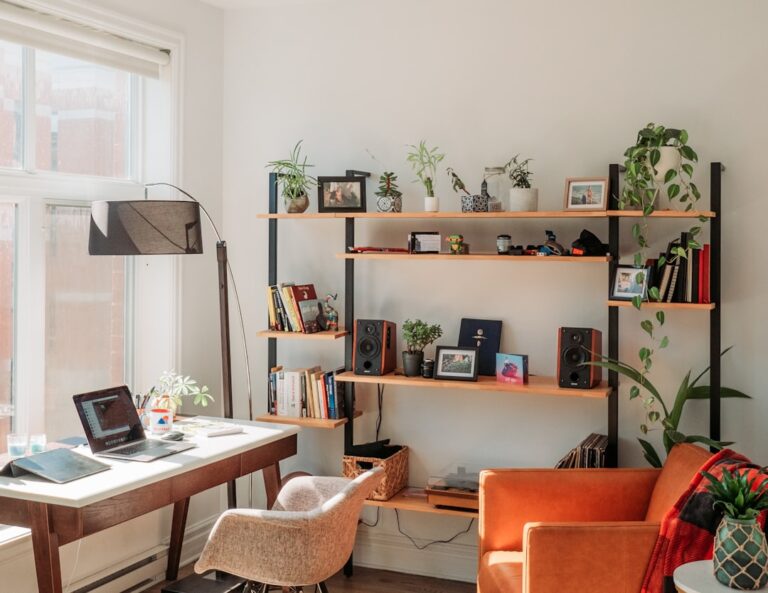
The COVID-19 pandemic significantly accelerated the adoption of work-from-home models, transforming many residences into impromptu offices and classrooms. This experience fundamentally altered perceptions of how homes should function. The dedicated home office, once a niche feature, became a widespread necessity. However, not all dwellings have the luxury of a spare room for this purpose. This propelled homeowners to creatively integrate workspaces into existing areas, such as alcoves, closets, or even sections of a living room or bedroom. Beyond work, hobbies, fitness routines, and social gatherings now frequently occur within the confines of the home, demanding spaces that can morph to accommodate these diverse activities. The blurring of lines between personal and professional life within the home has been a primary driver of the multifunctional imperative.
Design Strategies for Seamless Transitions
Achieving true multifunctionality requires thoughtful design. It goes beyond simply placing multiple items of furniture in a single room; it involves creating an environment where each function can operate effectively without hindering the others. Key design strategies focus on spatial delineation, adaptable furnishings, and efficient storage solutions. The objective is to ensure that while the room serves multiple purposes, it maintains an organized and aesthetically pleasing atmosphere, preventing it from feeling cluttered or chaotic.
Spatial Delineation and Zoning Techniques
Even within a single open-plan room, it is often beneficial to create subtle distinctions between different functional zones. This can be achieved through various methods that provide visual cues without erecting permanent barriers. Area rugs, for instance, are effective in defining separate seating areas or designating a work zone within a larger living space. Furniture arrangement also plays a crucial role; positioning a sofa or a bookshelf strategically can create a natural separation. Other techniques include the use of varying floor levels, subtle changes in wall color, or distinct lighting fixtures to differentiate areas. The aim is to create a sense of order and purpose for each function, even when they coexist in the same physical space.
Adaptable Furniture and Convertible Pieces
The cornerstone of any successful multifunctional room is adaptable furniture. These pieces are designed with versatility in mind, allowing them to serve different purposes or change their configuration with relative ease. Sofa beds are a classic example, transforming a living room into a guest bedroom. Wall-mounted desks that fold away when not in use, dining tables that expand or collapse, and ottomans with integrated storage are other common iterations. Modular furniture systems, which can be reconfigured to suit various needs, also offer significant flexibility. The selection of such furniture requires careful consideration of its primary use, secondary functions, and the ease with which it can transition between roles. Quality and durability are key, as these pieces will likely endure more frequent handling and use than traditional, single-purpose items.
Integrated Storage Solutions
Effective storage is paramount in multifunctional spaces to prevent clutter and maintain an organized aesthetic. When a room serves multiple purposes, the items associated with each function need designated homes. This often involves innovative and integrated storage solutions that are both practical and visually appealing. Built-in cabinetry, under-bed drawers, hidden compartments in ottomans or coffee tables, and vertical shelving units are all valuable additions. The goal is to maximize storage capacity without encroaching excessively on the usable floor space. Thoughtful planning for storage ensures that items can be easily accessed when needed and neatly stowed away when not, thereby maintaining the room’s flexibility and minimizing visual noise.
Case Studies: Realizing Multifunctionality
Exploring examples of successful multifunctional rooms can provide practical insights into their implementation. These case studies highlight how different spaces can be ingeniously adapted to serve a multitude of needs, demonstrating the creative potential of this design philosophy. From compact apartments to larger family homes, the principles of multifunctionality can be applied across various scales.
The Living Room as an Office and Guest Suite
A common scenario in many modern homes involves the living room pulling double or even triple duty. During the day, a corner of the living room might transform into a productive workspace. This could involve a small, wall-mounted desk that folds down, or a cleverly integrated desk behind a sofa. When work hours conclude, the desk can be stowed away, and the space reverts to its social function. Furthermore, to accommodate occasional guests, a sofa bed or a murphy bed can be installed, allowing the living room to seamlessly transition into a comfortable guest bedroom. Strategic use of dividers, such as a freestanding shelf or a large plant, can offer a degree of privacy when the room is serving its overnight function.
The Kitchen Island as a Dining Table and Workspace
The kitchen, traditionally a space for food preparation and dining, is increasingly becoming a central hub for various other activities. The kitchen island, in particular, has evolved into a highly multifunctional element. Beyond its primary role as a workspace for cooking, it frequently doubles as a casual dining area for family meals or a breakfast bar. With the right design, an island can also serve as an impromptu home office, especially with integrated power outlets and sufficient surface area. The adaptability of the island can be further enhanced by incorporating storage on one side, such as bookshelves for cookbooks or drawers for office supplies, blurring the lines between domestic and professional functions.
The Bedroom as a Library and Fitness Area
Bedrooms, especially in smaller residences, are no longer exclusively reserved for sleeping. Many homeowners are integrating other functions into this private space. A large wall can become a personal library, with floor-to-ceiling bookshelves providing both storage and an element of visual interest. A comfortable armchair positioned near a window can create a cozy reading nook, transforming part of the bedroom into a quiet retreat. Furthermore, a corner of the bedroom can be designated as a compact fitness zone, accommodating a yoga mat, light weights, or even a small exercise bike. The key is to select equipment that is easily storable or integrated seamlessly into the room’s aesthetic.
Benefits Beyond Space Optimization
While space optimization is a primary driver for the rise of multifunctional rooms, the advantages extend beyond merely fitting more into a smaller area. This design approach can contribute to a more efficient, cost-effective, and even more sustainable living environment. The inherent flexibility of these spaces also supports evolving family structures and individual needs over time.
Cost-Effectiveness and Reduced Overall Footprint
From an economic perspective, multifunctional rooms offer significant advantages. For builders and developers, creating flexible spaces can mean constructing smaller, more affordable units without compromising on functional offerings. For homeowners, investing in adaptable furniture and intelligent storage can often be more cost-effective than purchasing a larger property with dedicated, single-purpose rooms that may be underutilized. Furthermore, reducing the overall footprint of a home can lead to lower energy consumption for heating and cooling, contributing to long-term savings and a smaller environmental impact. The ability to accommodate diverse activities within a compact space often translates to lower property taxes and maintenance costs as well.
Enhanced Versatility and Adaptability for Future Needs
One of the most compelling benefits of multifunctional design is its inherent versatility and adaptability. Lifestyles change, families grow or shrink, and individual needs evolve over time. A playroom for young children can transform into a teenage study area, then later into a guest room or a home gym, without requiring extensive renovations. This adaptive quality significantly prolongs the utility and relevance of a space, making a home more resilient to life’s transitions. It allows occupants to adjust their environment to suit their current circumstances, rather than being constrained by the rigid functions of traditional room designations. This foresight in design can prevent the need for costly remodels down the line, essentially future-proofing the living space.
Promotion of Decluttering and Mindful Living
The constraints of multifunctional rooms inherently encourage a more mindful approach to possessions. When a single space must serve multiple purposes, there is naturally less room for extraneous items. This fosters a decluttering mindset, prompting occupants to carefully consider what they truly need and use. By necessity, items associated with one function must be easily stowed away when the room transitions to another. This leads to more organized habits, reduced visual clutter, and potentially a less stressful living environment. The discipline required for managing multifunctional spaces can translate into a broader appreciation for simplicity and intentional living, contributing to a sense of calm and clarity within the home.
FAQs
What are multifunctional rooms?
Multifunctional rooms are spaces within a home or building that serve multiple purposes, allowing for flexibility and efficiency in the use of the space.
What are some common examples of multifunctional rooms?
Some common examples of multifunctional rooms include a home office that doubles as a guest bedroom, a living room that also serves as a play area for children, or a dining room that can be transformed into a workspace.
What are the benefits of multifunctional rooms?
Multifunctional rooms can help maximize the use of space in a home, allowing for greater flexibility and efficiency. They can also be cost-effective, as they eliminate the need for separate rooms dedicated to specific functions.
How can I create a multifunctional room in my home?
To create a multifunctional room in your home, consider the activities and functions that are important to you, and then design the space to accommodate those needs. This may involve using furniture that can serve multiple purposes, such as a sofa bed or a dining table that can be folded away when not in use.
What are some tips for designing a multifunctional room?
When designing a multifunctional room, it’s important to prioritize flexibility and organization. Use versatile furniture and storage solutions to maximize the use of space, and consider the flow of the room to ensure that it can easily transition between different functions.