The conventional separation of domestic interiors and the external environment is increasingly being re-examined in architectural and interior design. The concept of seamless indoor-outdoor living, far from being a fleeting trend, represents a fundamental shift in how inhabitants interact with their surroundings. This approach prioritizes the creation of fluid transitions, allowing the natural world to permeate the built environment and vice versa. The aim is not merely to provide views of nature, but to integrate its qualities – light, air, texture, and even sounds – into the daily experience of living. This essay will explore the multifaceted aspects of this design philosophy, examining its architectural manifestations, the benefits it offers to occupants, and the considerations necessary for its successful implementation.
The Architecture of Integration
Modern architectural approaches are instrumental in achieving seamless indoor-outdoor living. The focus shifts from discrete volumes to a more holistic and interconnected spatial experience. This involves a conscious effort to dissolve the perceived boundaries between the interior and exterior, fostering a sense of continuity.
Fenestration as the Primary Connector
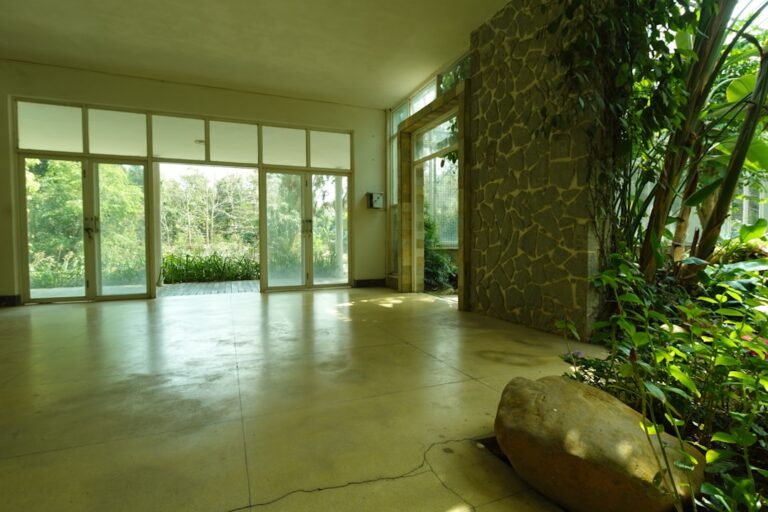
- Expansive Glazing Systems: The most prominent feature of this integration is the strategic use of large-format windows, sliding glass doors, and folding door systems. These elements are not merely openings but are engineered to maximize transparency and minimize visual obstructions. Materials like reinforced glass and slim-profile framing systems are crucial in achieving this. The goal is to create openings that, when fully retracted, leave as much of the wall as possible feeling open to the outside.
- Corner Windows and Stacking Doors: Beyond simple linear openings, architects employ corner window designs and stacking door systems that can disappear into wall pockets. This creates truly unobstructed panoramic views and access points, effectively erasing the notion of a corner as a solid barrier. The careful calculation of structural support for such expansive openings is essential.
- Operable Walls and Partitions: In some instances, entire sections of walls are designed to operate, allowing for the complete integration of interior spaces with patios, courtyards, or gardens. This flexibility enables inhabitants to adapt their living spaces to suit various weather conditions and social needs, transforming a living room into an extension of an outdoor entertaining area in moments.
Materiality and Continuity
- Flooring Transitions: The selection of flooring materials plays a significant role in blurring the lines between inside and out. For instance, using the same or similar materials for interior flooring and exterior patios or decks creates a visual and tactile continuum. This can involve durable, weather-resistant materials like large-format porcelain tiles, concrete, or natural stone that can withstand outdoor elements while appearing cohesive with interior finishes.
- Roof Overhangs and Covered Spaces: Carefully designed roof overhangs provide shelter and protection from the elements while still maintaining a strong visual connection to the outdoors. These covered areas, often referred to as verandas or lanais, act as transitional zones, offering a sheltered space to experience the natural environment without being fully exposed. They can be furnished to serve as extensions of the interior living space, facilitating year-round enjoyment.
- Integration of Natural Textures: The incorporation of natural materials like wood, stone, and bamboo within both indoor and outdoor spaces reinforces the connection. Exposed timber beams, stone feature walls, and natural fiber furnishings can all contribute to a harmonious and organic aesthetic that extends beyond the confines of the building.
Designing for Climate and Light
- Passive Solar Design: Seamless indoor-outdoor living is intimately linked with passive solar design principles. By carefully orienting the building and strategically placing openings, architects can harness natural light and heat, reducing reliance on artificial lighting and heating systems. Large windows can maximize winter sun for warmth and natural light, while strategically placed shade devices can mitigate excessive summer heat gain.
- Natural Ventilation Strategies: The ability to open up the home to natural breezes is a core tenet of this design approach. This necessitates careful consideration of prevailing wind patterns and the placement of operable windows and doors to facilitate cross-ventilation. This not only cools the interior passively but also brings the scents and sounds of the outdoors in, enhancing the sensory experience.
- Controlled Light and Shadow: The interplay of light and shadow is an integral part of the natural environment. Architects designing for seamless living consider how natural light will filter into the interior throughout the day and across seasons. This can involve the use of louvers, screens, or strategically planted vegetation to control the intensity and direction of sunlight, creating dynamic and evolving interior environments.
Enhancing Occupant Well-being
The psychological and physiological benefits of integrating the built environment with nature are well-documented. Seamless indoor-outdoor living actively promotes a sense of well-being through increased exposure to natural elements.
The Biophilic Connection
- Stress Reduction and Mood Enhancement: Studies have shown that exposure to natural environments can significantly reduce stress levels, lower blood pressure, and improve mood. By bringing elements of nature closer to inhabitants, this design approach fosters a constant, albeit subtle, connection that can have a profound impact on mental health. This is often referred to as biophilia, the innate human tendency to connect with nature.
- Improved Cognitive Function and Creativity: Access to natural light and views has been linked to enhanced cognitive function, improved concentration, and increased creativity. The dynamic and ever-changing nature of the outdoor environment can stimulate the mind in ways that static interior spaces often cannot.
- Enhanced Physical Health: Increased opportunities for natural ventilation contribute to better indoor air quality, reducing the prevalence of airborne pathogens and allergens. Furthermore, the visual connection to outdoor spaces can subtly encourage more physical activity, whether it’s stepping out for a breath of fresh air or engaging in gardening.
Fostering Social Interaction
- Integrated Entertaining Spaces: The seamless flow between indoor and outdoor areas naturally facilitates social gatherings. Kitchens and living areas can spill out onto patios or decks, creating more spacious and relaxed environments for entertaining guests. This breaks down the formality often associated with traditional dining rooms and living rooms, encouraging a more communal and convivial atmosphere.
- Connection to the Neighborhood and Community: Homes designed with a strong indoor-outdoor connection often engage more directly with their surrounding landscape and, by extension, their neighborhood. Overlooking gardens, parks, or natural features can create a sense of belonging and connection to the broader community, fostering a less isolated living experience.
- Family Cohesion: For families, this design approach can create more dynamic and interconnected living spaces. Children can move freely between indoor play areas and outdoor gardens, with parents able to maintain visual supervision. This shared experience of the home and its environment can strengthen family bonds.
Sensory Enrichment
- Auditory and Olfactory Engagement: Bringing the outdoors in means also inviting its sounds and scents. The gentle rustle of leaves, the chirping of birds, or the fragrance of blooming flowers can create a richer sensory tapestry within the home. This sensory input can be grounding and invigorating, transforming the home into a more stimulating and alive environment.
- Tactile Experiences: The use of natural materials with varying textures – smooth stone, rough wood, soft foliage – provides a rich tactile experience that connects inhabitants to the physical world. This contrasts with the often uniform and synthetic textures found in purely interior environments.
Practical Considerations for Implementation
While the concept of seamless indoor-outdoor living is attractive, its successful implementation requires careful planning and consideration of practical factors. The goal is to create spaces that are not only aesthetically pleasing but also functional and durable.
Climate and Environmental Adaptability
- Weatherproofing and Durability: The most critical aspect of seamless design is ensuring that the transition zones are adequately weatherproofed and constructed with durable materials. This includes robust sealing around glass doors, proper drainage systems for outdoor areas, and materials that can withstand temperature fluctuations, moisture, and UV exposure. Failure in these areas can lead to significant maintenance issues and discomfort.
- Energy Efficiency: Large expanses of glass, while desirable for their transparency, can also be a source of heat loss in winter and heat gain in summer. Careful specification of high-performance glazing, insulated frames, and the integration of shading devices are crucial to maintaining energy efficiency and occupant comfort while achieving this seamless integration.
- Pest Management: The opening up of homes to the exterior naturally increases the potential for pest intrusion. The design must incorporate effective screening solutions, such as retractable insect screens, and consider landscaping choices that minimize pest attraction.
Structural Engineering and Design
- Load-Bearing Requirements: Creating large openings often necessitates significant structural engineering to support the load previously carried by solid walls. This can involve the use of robust steel beams, specialized framing techniques, and careful attention to load transfer to foundations.
- Water Management: Proper drainage is paramount for outdoor living spaces and transitional areas. Sloping decks and patios away from the building, incorporating scuppers and drainage channels, and ensuring that water does not pool near foundations are essential to prevent moisture damage and structural issues.
- Accessibility: Ensuring that transitions between indoor and outdoor levels are accessible is an important consideration. This often means minimizing or eliminating steps at doorways, creating level thresholds, and ensuring that outdoor pathways are wide and safely navigable.
Maintenance and Longevity
- Material Selection for Low Maintenance: Homeowners seeking seamless living should prioritize materials that are known for their durability and low maintenance requirements. This could include composite decking materials, treated hardwoods, and high-quality stone or tile. Regular cleaning and occasional resealing or treatment may still be necessary.
- Landscaping Integration: The landscaping design should be considered an extension of the home’s architecture. This means selecting plants that are appropriate for the climate and that will not overgrow and damage structures, and developing maintenance plans for gardens and outdoor areas.
- Cleaning and Access: Designing for ease of cleaning is also important. This includes ensuring that large windows and doors can be easily accessed for washing and that outdoor furniture and features are positioned to allow for unobstructed cleaning of floors and surfaces.
The Evolution of the Threshold
The traditional concept of a threshold—a distinct physical and symbolic boundary between inside and out—is fundamentally re-examined in the context of seamless indoor-outdoor living. It is no longer viewed as an impermeable barrier but as a porous and permeable zone, a space of transition and interaction rather than separation.
Beyond the Sliding Door
- The “Invisible” Wall: Advancements in building technology have made it possible to create “walls” that all but disappear. Slim-profile framing systems, frameless glass panels, and the ability for entire sections of a building’s facade to retract or fold away have transformed the notion of an opening. This creates an uninterrupted visual and physical connection to the exterior landscape.
- Multi-Functional Transitional Zones: These transitional spaces are no longer simply corridors or porches. They are designed as integral parts of the living environment, furnished and equipped to serve a variety of purposes. They can be extensions of kitchens for outdoor dining, lounge areas for relaxation with a view, or even covered workspaces that benefit from natural light and ventilation.
The Psychological Impact of Redefined Boundaries
- A Sense of Freedom and Openness: The reduction of physical barriers fosters a palpable sense of freedom and openness. The home feels larger, more expansive, and less confined. This psychological shift can contribute to a more relaxed and less stressed state of mind for its inhabitants.
- Increased Awareness of Natural Rhythms: By being more directly exposed to the elements, inhabitants become more attuned to the natural rhythms of the day, the seasons, and the weather. This can lead to a greater appreciation for the environment and a more grounded connection to the world around them.
- Blurring of Work and Leisure: In contemporary living, the lines between work and leisure are often blurred. Seamless indoor-outdoor living can support this by providing inspiring and comfortable environments for both. A home office opening onto a garden, for example, can offer a refreshing change of scenery and a more conducive environment for creative thought.
The Future of Dwelling
- Sustainable Integration: As environmental consciousness grows, the principles of seamless indoor-outdoor living are increasingly being integrated with sustainable design practices. This means maximizing passive solar gain, optimizing natural ventilation, and utilizing eco-friendly materials to create homes that are both comfortable and environmentally responsible.
- Technological Enhancements: Future iterations of seamless living will likely incorporate more advanced technologies. Smart glass that can adjust its tint for privacy and sun control, automated retractable screens, and integrated climate control systems that respond to outdoor conditions will further enhance the functionality and comfort of these spaces.
- Resilience and Adaptability: Homes designed with seamless indoor-outdoor living principles are inherently adaptable. They can better respond to changing weather patterns and can be more easily reconfigured to suit evolving lifestyle needs. This inherent flexibility positions them as a resilient and forward-thinking approach to housing.
Conclusion: A Harmonious Existence
Seamless indoor-outdoor living represents more than just an architectural style; it is a profound re-evaluation of how humans interact with their built and natural environments. By judiciously dissolving the conventional boundaries between interior and exterior spaces, this design philosophy fosters a more integrated, healthy, and enriching way of life. The successful implementation relies on a holistic approach, considering everything from the precise angle of a roof overhang to the tactile quality of a floor tile. As this design paradigm continues to evolve, driven by technological advancements and a growing appreciation for well-being, it offers a compelling vision for the future of domestic architecture—one where the home and nature exist not as separate entities, but as a harmonious and interconnected continuum. The benefits extend beyond mere aesthetics, impacting mental and physical health, social interaction, and our overall connection to the world. This is not about simply looking out at nature; it is about inviting it in, allowing it to shape our experience of home and, in turn, allowing our homes to reflect the vital essence of the natural world.
FAQs
What is indoor-outdoor living?
Indoor-outdoor living refers to the design and lifestyle concept of seamlessly blending the interior and exterior spaces of a home, allowing for a smooth transition between the two areas.
What are the benefits of indoor-outdoor living?
Indoor-outdoor living can provide numerous benefits, including increased natural light, better air circulation, a closer connection to nature, and the ability to enjoy outdoor activities while still being at home.
What are some common features of indoor-outdoor living spaces?
Common features of indoor-outdoor living spaces include large windows and glass doors, outdoor living areas such as patios or decks, landscaping that complements the interior design, and the use of natural materials to create a cohesive flow between indoor and outdoor spaces.
How can I create an indoor-outdoor living space in my home?
To create an indoor-outdoor living space, consider incorporating elements such as sliding glass doors, outdoor seating areas, indoor plants, and a design scheme that seamlessly connects the interior and exterior spaces.
What are some popular design styles for indoor-outdoor living spaces?
Popular design styles for indoor-outdoor living spaces include modern, minimalist, coastal, and Mediterranean, each of which emphasizes a connection to nature and a seamless flow between indoor and outdoor areas.