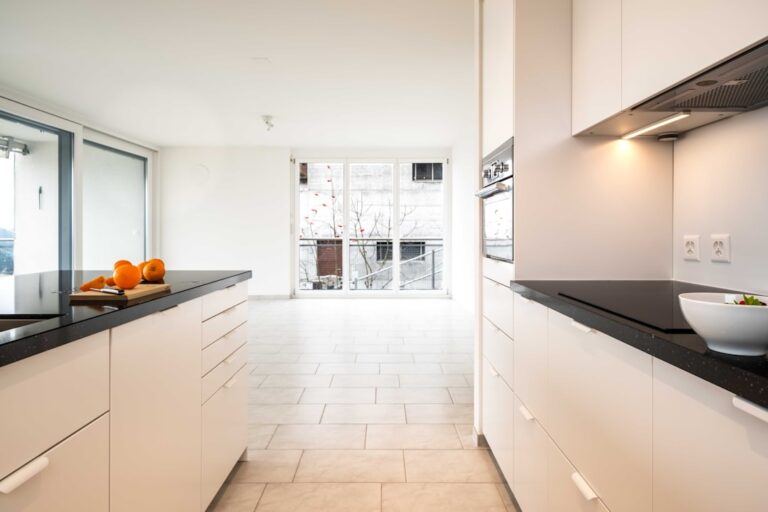
A kitchen remodel can be a significant undertaking, but the potential rewards in terms of functionality, aesthetics, and property value are substantial. This article will explore the key considerations for a successful kitchen renovation, guiding the reader through the process from initial planning to final touches.
A kitchen remodel is more than just swapping out cabinets; it is the reimagining of a home’s most central hub. This process can range from a cosmetic refresh to a complete overhaul, impacting every aspect of the room’s layout, design, and infrastructure. The scope of the project will dictate the complexity, timeline, and budget required.
Defining Your Goals and Priorities
Before embarking on a remodel, it is crucial to articulate clearly what you aim to achieve. Are you seeking to improve workflow, increase storage, update outdated appliances, or simply enhance the visual appeal? Developing a detailed list of priorities will serve as a compass, ensuring that decisions align with your ultimate objectives. For instance, if efficient meal preparation is paramount, then the placement of the sink, refrigerator, and stove – the classic work triangle – will warrant careful consideration. If entertainment is a focus, an open-plan concept with ample counter space might be more suitable.
Budgeting for Success
A well-defined budget is the bedrock of any successful renovation. It acts as a financial framework, preventing overspending and ensuring that resources are allocated effectively. It is advisable to establish a realistic budget early on, taking into account not only the cost of materials and labor but also potential unforeseen expenses. A contingency fund, typically 10-20% of the total budget, is often recommended to absorb unexpected issues that may arise during construction.
Cost Breakdown of Typical Remodel Elements
The cost of a kitchen remodel is multifaceted. Major components include:
- Cabinetry: This often represents the largest portion of the budget, with prices varying significantly based on material, construction style, and customisation.
- Countertops: Materials like granite, quartz, marble, and laminate each have distinct price points and durability characteristics.
- Appliances: The selection of appliances – refrigerator, oven, dishwasher, microwave, hood vent, etc. – can range from budget-friendly models to high-end professional-grade units.
- Flooring: Options such as tile, hardwood, laminate, and vinyl offer different aesthetic qualities and cost implications.
- Plumbing and Electrical: These essential services can incur substantial costs, especially if relocating fixtures or updating outdated wiring.
- Labor: The cost of skilled tradespeople, including contractors, electricians, plumbers, and tilers, is a significant factor.
- Design Fees: Engaging a kitchen designer can add to the initial cost but can lead to more efficient planning and a superior final product.
Establishing a Realistic Timeline
A kitchen remodel can disrupt daily life, and a clear understanding of the timeline is essential for managing expectations. The duration will depend on the scope of work, the availability of materials and contractors, and the complexity of the design. Minor updates might take a few weeks, while a full gut-and-remodel could extend to several months.
Factors Influencing Project Duration
Several factors can influence how long a remodel takes:
- Permitting: Obtaining necessary permits from local authorities can add time to the pre-construction phase.
- Demolition: The removal of existing structures.
- Framing and Structural Changes: If the layout is being significantly altered.
- Rough-in Plumbing and Electrical: Installing new pipes and wiring.
- Insulation and Drywall: Creating the basic shell of the redesigned space.
- Cabinet Installation: A precise and often time-consuming process.
- Countertop Templating and Installation: This typically involves a separate visit after cabinets are in place.
- Appliance Installation: Connecting new appliances.
- Flooring Installation: Laying the chosen flooring material.
- Painting and Finishing Touches: The final aesthetic details.
- Inspection and Final Punch List: Ensuring all work meets code and client satisfaction.
If you’re considering a kitchen remodel, it’s essential to think about how your new space will accommodate all your culinary needs, including storage solutions for seasonal activities. For instance, if you’re an ice fishing enthusiast, you might want to explore options for storing your gear efficiently. You can find valuable insights in this related article on choosing the right ice fishing shelter, which can inspire ideas for maximizing your kitchen’s functionality. Check it out here: How to Choose the Right Ice Fishing Shelter: A Comprehensive Guide.
The Design Phase: Laying the Foundation for Success
The design phase is where the vision for your revitalized kitchen takes shape. This is the stage to consider not only aesthetics but also functionality, ergonomics, and long-term usability. A well-thought-out design can transform an inefficient space into a harmonious and productive environment.
Optimizing Layout and Flow
The layout of a kitchen is its circulatory system, dictating how easily one can move between essential task areas. Key principles of kitchen design, such as the work triangle (sink, refrigerator, stove), remain relevant, but modern kitchens often incorporate variations and zones to accommodate additional functions like prep areas, coffee stations, or homework nooks. An effective layout minimizes redundant steps and maximizes efficiency.
The Work Triangle and Its Modern Adaptations
The traditional work triangle connects the three most frequently used workstations in the kitchen: the sink, the refrigerator, and the stove. Maintaining an efficient distance between these points optimizes workflow. Modern kitchens often expand on this concept with:
- Work Zones: Dedicated areas for specific tasks, such as a baking zone with ample counter space and nearby storage for ingredients, or a cleanup zone centered around the sink and dishwasher.
- Island or Peninsula Functionality: These additions can serve as secondary prep areas, informal dining spots, or storage solutions, effectively creating additional work centers.
- Traffic Flow: Ensuring clear pathways through the kitchen and avoiding bottlenecks, especially in open-plan living spaces.
Selecting Materials and Finishes
The choice of materials has a profound impact on both the aesthetic appeal and the practical durability of your kitchen. Each surface, from countertops to backsplash to flooring, plays a role in the overall design and functionality. Consider the interplay of textures, colors, and patterns.
Countertop Materials: Durability Meets Style
Countertops are the workhorses of the kitchen, enduring spills, heat, and constant use. Their material selection is critical for both longevity and aesthetics.
- Granite: A natural stone known for its durability, heat resistance, and unique patterns. Requires sealing to prevent staining.
- Quartz (Engineered Stone): Composed of natural quartz crystals and resins, offering superior stain and scratch resistance. Non-porous and requires no sealing.
- Marble: A luxurious natural stone with a distinctive veining pattern. Prone to etching and staining, requiring meticulous care.
- Laminate: An economical and versatile option available in a wide array of colors and patterns. Less durable than natural stone or engineered quartz.
- Wood (Butcher Block): Offers a warm, natural aesthetic and is ideal for chopping. Requires regular oiling and sealing to maintain its condition.
- Concrete: A modern and customizable option that can be cast in place or pre-fabricated. Can be susceptible to staining and cracking if not properly sealed.
Cabinetry Styles and Finishes: The Kitchen’s Wardrobe
Kitchen cabinets are a significant visual element and a primary source of storage. Their style, material, and finish will define the kitchen’s character.
- Face-Frame vs. Frameless (European) Cabinets: Face-frame cabinets have a visible frame around each door and drawer, offering a traditional look. Frameless cabinets have doors and drawers that sit flush with the cabinet box, providing a more streamlined, modern appearance and often more accessible interior space.
- Door Styles: Options include Shaker (clean lines, recessed center panel), Slab (flat panel, modern), Raised Panel (traditional, ornate), and Inset (doors and drawers sit flush within the cabinet frame).
- Finishes: Options range from natural wood stains to painted finishes in a spectrum of colors, as well as thermofoil and laminate overlays.
Flooring Options: A Foundation for Functionality and Style
Kitchen flooring must withstand spills, dropped items, and constant foot traffic. Practicality and aesthetics are both important considerations.
- Ceramic and Porcelain Tile: Highly durable, water-resistant, and available in countless styles, colors, and patterns. Can be cold underfoot and grout lines require cleaning.
- Hardwood: Offers warmth and timeless appeal. Requires sealing to protect against moisture and can be susceptible to scratches and dents.
- Laminate Flooring: A more budget-friendly alternative to hardwood, offering a durable surface with a wide range of wood-look options.
- Luxury Vinyl Tile (LVT): Mimics the look of wood or stone with superior water resistance and durability. Comfortable underfoot and relatively easy to install.
- Natural Stone Tile (e.g., Travertine, Slate): Provides a unique, luxurious look. Can be more porous and require specific sealing and maintenance.
Incorporating Lighting Solutions
Effective lighting is crucial for both the functionality and ambiance of a kitchen. A layered approach, combining ambient, task, and accent lighting, can transform the space.
Ambient, Task, and Accent Lighting Explained
- Ambient Lighting: Provides overall illumination for the room. Recessed ceiling lights or a central pendant fixture are common examples.
- Task Lighting: Focused light directed at work surfaces to aid in tasks such as chopping and cooking. Under-cabinet lighting and pendant lights over an island are key examples.
- Accent Lighting: Used to highlight architectural features, artwork, or display cabinets. This can include
display cabinet lighting or small spotlights.
Navigating the Construction Phase: Bringing the Design to Life
The construction phase is where the plans are put into action. This stage requires careful management of contractors, adherence to schedules, and diligent oversight to ensure quality and safety.
Selecting the Right Contractor
The choice of a contractor is paramount to the success of your remodel. A skilled and reputable contractor will manage the project efficiently, communicate effectively, and deliver high-quality workmanship.
Key Qualities of a Reputable Contractor
When selecting a contractor, consider:
- Experience and Portfolio: Look for a contractor with a proven track record in kitchen renovations and ask to see examples of their previous work.
- Licensing and Insurance: Ensure they are properly licensed and insured to protect yourself from liability.
- References and Reviews: Speak with past clients to gauge their satisfaction with the contractor’s work, communication, and professionalism.
- Communication Style: A good contractor will be transparent, responsive, and willing to discuss any concerns you may have.
- Detailed Contract: The contract should clearly outline the scope of work, materials, timeline, payment schedule, and warranty information.
Managing the Construction Site
Maintaining order and safety during construction is essential. Clear communication with the contractor about site management protocols will help ensure a smooth process.
Site Preparation and Protection
- Demolition: Careful removal of old fixtures and materials.
- Dust Control: Implementing measures to minimize dust spread throughout the house.
- Floor Protection: Covering surrounding floors to prevent damage from foot traffic and dropped materials.
- Hazard Identification: Ensuring electrical and plumbing work is done by qualified professionals to prevent accidents.
The Importance of Inspections and Approvals
Throughout the construction process, various inspections by local building authorities will be required to ensure that work is compliant with building codes and safety regulations.
Building Code Compliance
Adherence to local building codes is not optional; it is a legal requirement designed to ensure the safety and structural integrity of your home. These codes cover aspects such as electrical wiring, plumbing, ventilation, and structural stability.
The Finishing Touches: Injecting Personality and Functionality
Once the major construction is complete, the focus shifts to the finer details that bring the kitchen to life and enhance its functionality and aesthetic appeal.
Cabinet Hardware and Fixtures
The hardware on your cabinets and the selection of faucets and sinks are the “jewelry” of your kitchen. These elements, though small, can have a significant impact on the overall look and feel.
From Knobs to Pulls: Hardware Choices
Cabinet hardware, including knobs and pulls, offers a wide range of styles, materials, and finishes, from brushed nickel and matte black to polished brass and crystal. The choice should complement the cabinet style and overall design aesthetic.
Sink and Faucet Selection: Form Meets Function
The sink and faucet are central to kitchen operations. Considerations include:
- Sink Type: Undermount (seamless look, easy to clean), top-mount (easier installation, less expensive), farmhouse (deep, prominent front), or workstation sinks (integrated accessories).
- Material: Stainless steel (durable, popular), granite composite (durable, wide color range), fireclay (classic, durable), or cast iron (heavy-duty, traditional).
- Faucet Style: High-arc, pull-down, pull-out, touchless, or bridge faucets, available in various finishes to match hardware.
Backsplash Installation: A Functional and Decorative Element
The backsplash serves a dual purpose: protecting the wall behind the countertop from splashes and stains, and adding a significant decorative element to the kitchen.
Material and Design Considerations for Backsplashes
- Tile: Ceramic, porcelain, glass, and natural stone tiles offer endless design possibilities.
- Sheet Material: Options like solid quartz, granite, or stainless steel provide a seamless, modern look.
- Patterns: Subway tile, mosaic patterns, herringbone, or geometric designs can add visual interest.
Appliance Integration and Functionality
Modern appliances are not just functional but often incorporate advanced features and sleek designs that contribute to the kitchen’s overall aesthetic. Proper integration ensures they are both accessible and visually appealing.
Smart Appliances and Energy Efficiency
Consider appliances with smart technology for enhanced convenience and connectivity, as well as energy-efficient models to reduce utility costs and environmental impact.
If you’re considering a kitchen remodel, you might also be interested in optimizing other areas of your home, such as your bathroom. A recent article discusses innovative space-saving ideas that can help maximize functionality and style in small bathrooms. This can be particularly useful if you’re looking to create a cohesive design throughout your home. You can read more about these ideas in the article on space-saving solutions for small bathrooms.
Beyond the Surface: Long-Term Value and Maintenance
| Metric | Average Value | Details |
|---|---|---|
| Average Cost | 25,000 | Typical range between 15,000 and 50,000 depending on scope |
| Project Duration | 6-8 weeks | From planning to completion |
| Return on Investment (ROI) | 60-70% | Value added to home resale price |
| Common Upgrades | Cabinets, Countertops, Appliances | Most popular elements to remodel |
| Labor Cost Percentage | 30-35% | Portion of total cost attributed to labor |
| Material Cost Percentage | 50-60% | Portion of total cost attributed to materials |
| Permits Required | Yes | Depends on local regulations and extent of remodel |
A kitchen remodel is an investment in your home. Understanding how to maintain your new kitchen and appreciating its long-term value are crucial aspects of this investment.
Maintaining Your Newly Remodeled Kitchen
Proper maintenance will ensure your kitchen remains beautiful and functional for years to come. This involves understanding the specific care requirements of the chosen materials.
Care for Countertops, Cabinets, and Flooring
Each material will have its own cleaning and care instructions. For example, natural stone countertops may require specific sealants, while hardwood floors might need occasional refinishing. Regular cleaning and prompt attention to spills will prevent damage and premature wear.
The Return on Investment: Property Value and Lifestyle Enhancement
A well-executed kitchen remodel is consistently cited as one of the home improvements that offers the highest return on investment, both in terms of increased property value and enhanced quality of life for the occupants. The kitchen is often the heart of the home, and its functionality and aesthetics directly impact daily living.
Enhancing Home Value
Updated kitchens are a major selling point for potential buyers. A modern, well-designed kitchen can significantly differentiate your home in the real estate market and command a higher sale price.
Improving Daily Living
Beyond financial considerations, a revitalized kitchen can transform how you use your home. It can foster a more enjoyable environment for cooking, dining, and socializing, making daily life more comfortable and efficient.
In conclusion, a kitchen remodel is a comprehensive process that requires careful planning, diligent execution, and attention to detail. By understanding the various stages, from initial concept to final touches, and by making informed decisions regarding materials, contractors, and design, you can embark on a journey that will ultimately lead to a stunning, functional, and valuable addition to your home.
FAQs
What is involved in a kitchen remodel?
A kitchen remodel typically involves updating or replacing elements such as cabinets, countertops, flooring, appliances, lighting, and plumbing fixtures to improve the functionality and aesthetics of the kitchen space.
How long does a kitchen remodel usually take?
The duration of a kitchen remodel varies depending on the scope of work but generally ranges from 3 to 8 weeks. Larger or more complex projects may take longer.
What is the average cost of a kitchen remodel?
The average cost of a kitchen remodel can vary widely based on materials, labor, and project size, but it typically ranges from $15,000 to $50,000 or more.
Do I need a permit for a kitchen remodel?
Permits are often required for kitchen remodels that involve electrical, plumbing, or structural changes. It is important to check with local building authorities to determine the necessary permits.
How can I make my kitchen remodel more energy-efficient?
To improve energy efficiency during a kitchen remodel, consider installing energy-efficient appliances, LED lighting, low-flow faucets, and proper insulation. Using sustainable materials can also contribute to an eco-friendly kitchen.