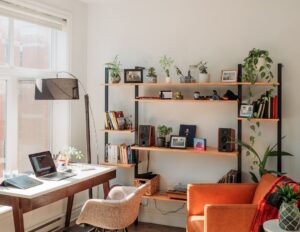
The challenge of limited living space is a pervasive issue in modern urban environments and smaller dwellings. As populations grow and housing costs escalate, maximizing the utility of every square foot becomes not merely a convenience but a necessity. This pursuit has driven significant innovation in storage solutions, transforming formerly overlooked areas into highly functional spaces. The integration of clever design, adaptable furniture, and repurposing strategies has redefined what is possible within constrained square footage, enabling individuals to live more comfortably and efficiently.
The principle of verticality in storage leverages the often-underutilized height of a room. Instead of allowing precious floor space to become cluttered, attention shifts upwards, transforming blank walls into valuable storage real estate. This approach is particularly effective in rooms with high ceilings, but creative solutions exist for standard heights as well. The goal is to move items off the floor and onto shelves, hooks, and elevated platforms.
Ceiling-Mounted Storage Systems
Ceiling-mounted storage systems offer a discreet and effective way to reclaim floor space. These can range from simple pulley systems for seasonal items or bikes to more elaborate built-in shelving units that extend nearly to the ceiling. For garages or workshops, overhead racks provide ample space for tools, gardening equipment, and infrequently used items, keeping the main workspace clear. In kitchens, pot racks suspended from the ceiling can not only store cookware but also serve as a decorative element, demonstrating how utility and aesthetics can coexist. The key is to ensure these systems are safely installed and accessible, perhaps with the use of step stools or ladders.
Tall and Narrow Shelving Units
When floor space is at a premium, opting for tall and narrow shelving units allows for significant storage capacity without encroaching heavily on the room’s footprint. These units can be placed in corners, alongside doors, or in alcoves, effectively filling otherwise awkward or empty spaces. Adjustable shelving is a crucial feature, allowing users to customize the height of each shelf to accommodate items of varying sizes, from books and decorative objects to folded clothing and storage bins. The strategic placement of such units can also help to define different zones within a larger room, contributing to a more organized and visually appealing environment. Their verticality draws the eye upward, creating an illusion of greater space.
Wall-Mounted Shelving
Wall-mounted shelves are a versatile and ubiquitous solution for maximizing vertical space. They can be installed in virtually any room of the house, from living rooms and bedrooms to bathrooms and kitchens. The range of styles is extensive, from minimalist floating shelves that provide a clean, modern look to more robust, bracketed shelves capable of supporting heavier loads. In children’s rooms, wall-mounted shelves can house toys and books, keeping them organized and out of the way. In hallways, they can hold decorative items, mail, or small entryway essentials. The installation should be secure, utilizing appropriate wall anchors for the chosen material and intended weight.
Ladder Shelving and Bookcases
Ladder shelving units mimic the form of a ladder, with shelves that gradually increase in depth or width as they ascend. This design is not only visually appealing but also functional, offering progressively more surface area for storage. They are particularly well-suited for displaying books, plants, and decorative items in living areas or studies. Their open design prevents them from feeling visually heavy, making them a good choice for smaller rooms. Similarly, tall, narrow bookcases can provide substantial book storage while occupying a minimal footprint. Their vertical presence can act as a visual anchor in a room.
For those looking to enhance their car audio experience, exploring effective storage solutions for audio equipment can be just as important as the sound quality itself. A related article that delves into this topic is available at Achieving Perfect Sound: How Adjustable Line Output Converters Enhance Your Car Audio. This article not only discusses the technical aspects of improving sound quality but also touches on how proper storage and organization of audio components can contribute to a more enjoyable listening experience.
Multifunctional Furniture: The Double Duty of Design
Multifunctional furniture pieces are the unsung heroes of small-space living. These items are engineered to serve more than one purpose, seamlessly blending utility with style and transforming passive furniture into active storage solutions. They are like a Swiss Army knife for the home, capable of adapting to various needs and situations, thereby reducing the overall number of individual pieces required.
Storage Ottomans and Benches
Ottomans and benches that incorporate hidden storage compartments offer a practical way to stow away items. These can include blankets, pillows, magazines, children’s toys, or even shoes. Placed at the foot of a bed, in a living room, or at an entryway, they provide both additional seating and a discreet storage solution. Upholstered ottomans add a touch of comfort and style, while solid wood benches can offer a more robust and utilitarian option. The lid often lifts or slides open, revealing a cavernous interior ready to absorb clutter.
Sofa Beds with Integrated Storage
Sofa beds represent a classic example of multifunctional furniture, but modern iterations often include additional storage. Many sofa beds feature drawers or lift-up chaise sections that can hold bedding, blankets, or other items, making them ideal for guest rooms or small living spaces that need to accommodate overnight visitors. This dual functionality eliminates the need for a separate guest bed and associated storage, significantly optimizing space. The storage is often cleverly integrated into the base or armrests, preserving the sofa’s primary function.
Coffee Tables with Hidden Compartments or Drawers
Coffee tables are central to many living room layouts, and those with built-in storage further enhance their utility. Models with drawers discreetly conceal items like remote controls, coasters, or books, keeping the tabletop clear. Others feature lift-top designs, revealing a hidden compartment beneath, perfect for stowing away blankets or serving trays. Some even incorporate shelving units within their structure, providing additional space for decorative items or reading material. This transforms a static piece of furniture into a dynamic storage hub.
Beds with Under-Bed Storage Drawers
The space beneath a bed is often a significant underutilized area. Beds with integrated drawers or deep storage compartments are a highly effective solution for maximizing this space. These can be used to store seasonal clothing, extra bedding, luggage, or other large items. Upholstered bed frames with lift-up mechanisms offer a particularly generous amount of storage, essentially creating a secondary closet beneath the mattress. This type of storage is invaluable in bedrooms where closet space is limited.
Nesting Tables
Nesting tables are a set of tables of decreasing size, designed to fit one under another. This allows for flexibility in living spaces, as the tables can be pulled out individually to provide surfaces for drinks, snacks, or work, but then neatly tucked away when not in use. This creates an illusion of less furniture being present, which is crucial in maintaining an uncluttered feel in smaller rooms. Their ability to expand and contract based on need makes them incredibly adaptable.
Repurposing and Transforming Spaces: Thinking Outside the Box
Maximizing space often requires a shift in perspective, moving beyond traditional furniture and storage paradigms. Repurposing existing spaces and objects can unlock hidden potential and create innovative storage solutions that are both functional and unique. This involves looking at rooms and items with a fresh eye, considering their latent capabilities.
Floating Shelves for Display and Storage
Floating shelves, which appear to be unsupported, offer a sleek and modern way to add storage without the visual bulk of traditional shelving. They can be installed in any room, from kitchens for spices and cookware to bathrooms for toiletries and towels, or living rooms for books and decorative items. Their minimalist design makes them ideal for displaying cherished items while also providing practical storage. By dispersing shelves at different heights, one can create a dynamic visual arrangement.
Corner Shelving Units
Corners are often neglected areas in rooms, and corner shelving units are specifically designed to utilize this often-wasted space. These units can be curved or angular, fitting snugly into the corner and providing several tiers for storage. They are excellent for storing books, plants, or decorative items, and can help to break up the visual monotony of flat walls. Their strategic placement can also help to create a more balanced and cohesive room layout.
Pegboards for Customizable Storage
Pegboards offer a highly customizable and adaptable storage solution, particularly useful in workshops, craft rooms, or even kitchens. By inserting pegs, hooks, and shelves into the pre-drilled holes, one can create a completely personalized storage system for tools, art supplies, utensils, or accessories. The open nature of pegboards allows for easy visibility and access to items, and they can be used to create vertical displays that are both organized and visually engaging. They transform a wall into a dynamic organizing surface.
Under-Stair and Attic Conversions
The space beneath staircases and within attics often represents substantial untapped storage potential. Converting these areas into dedicated storage spaces, such as built-in drawers, shelves, or even small closets, can dramatically increase a home’s storage capacity. Under-stair conversions can be particularly effective for storing shoes, cleaning supplies, or toys. Attic conversions can provide deeper storage for seasonal items or less frequently accessed belongings. These conversions require careful planning and construction to ensure safety and accessibility.
Room Dividers with Integrated Shelving
For open-plan living spaces, room dividers can be used to create separate zones. When these dividers incorporate shelving units, they serve a dual purpose: defining areas and providing valuable storage. This can be used to separate a living area from a dining space, or a home office from a bedroom. The shelving can be open for display or closed with doors for concealed storage, offering a flexible solution for both organization and room layout.
Smart Cabinetry and Drawer Solutions: Unlocking Hidden Depths
Cabinetry and drawer systems are fundamental to home organization. Innovative designs in this area focus on maximizing internal space, improving accessibility, and creating more efficient storage configurations. These solutions turn the interior of cabinets and drawers into highly engineered organizational systems, minimizing wasted space.
Pull-Out Shelves and Drawers
| Storage Solution | Type | Capacity Range | Read Speed (MB/s) | Write Speed (MB/s) | Typical Use Case | Durability |
|---|---|---|---|---|---|---|
| HDD (Hard Disk Drive) | Magnetic | 500 GB – 16 TB | 80 – 160 | 80 – 160 | Mass storage, backups | Moderate (mechanical parts) |
| SSD (Solid State Drive) | Flash Memory | 120 GB – 8 TB | 200 – 3500 | 200 – 3000 | Operating systems, applications | High (no moving parts) |
| NVMe SSD | Flash Memory (PCIe) | 250 GB – 8 TB | 1000 – 7000 | 900 – 5000 | High-performance computing | High |
| USB Flash Drive | Flash Memory | 8 GB – 2 TB | 20 – 400 | 10 – 300 | Portable data transfer | Moderate |
| Cloud Storage | Remote Server | Varies (scalable) | Depends on internet speed | Depends on internet speed | Backup, collaboration | High (redundant systems) |
| Tape Storage | Magnetic Tape | 1 TB – 30 TB per cartridge | 30 – 300 | 30 – 300 | Archival, long-term backup | Very High (long shelf life) |
Pull-out shelves and drawers are a game-changer for deep cabinets, particularly in kitchens. They eliminate the need to reach into the back of a cabinet, making items easily accessible. This is especially beneficial for storing pots, pans, appliances, or pantry items. The smooth gliding mechanism ensures items can be retrieved effortlessly. These are like drawers that can hold the treasures of a deep chest.
Corner Cabinet Solutions
Corner cabinets can be notoriously difficult to access. Innovative solutions such as lazy Susans (rotating shelves) or pull-and-slide mechanisms bring items from the back of the cabinet to the front, ensuring no space is wasted. These mechanisms transform the dark recesses of corner cabinets into easily navigable storage areas.
Drawer Dividers and Organizers
Keeping drawers tidy can be a challenge. Drawer dividers, organizers, and inserts can segment drawer space, creating specific compartments for different items. This is ideal for kitchen utensils, office supplies, socks and undergarments, or tools. The result is a well-organized drawer where items are easy to find and nothing gets lost at the bottom.
Utilizing Cabinet Doors for Storage
The interior surfaces of cabinet doors are often overlooked storage real estate. Mounting small shelves, racks, or hooks on the inside of cabinet doors can provide additional space for narrow items like spice jars, cleaning cloths, or lids. This is a simple yet effective way to add extra storage without taking up any internal cabinet depth.
Deep Drawers and Vertical Dividers
For larger items, deep drawers can be incredibly useful. When combined with vertical dividers, these drawers can efficiently store items like baking sheets, cutting boards, or even file folders. This ensures that taller items are stored upright and accessible, preventing them from toppling over.
When considering effective storage solutions for your home, it’s essential to think about how these can complement other eco-friendly initiatives, such as incorporating green roofing. A related article discusses various options for sustainable roofing that not only enhance energy efficiency but also contribute to the overall aesthetics of your home. You can read more about these innovative choices in the article on green roofing options, which can inspire you to create a more sustainable living environment while maximizing your storage capabilities.
The Power of Organization: Decluttering and Strategic Placement
Even the most innovative storage solutions are rendered less effective if the underlying organization is flawed. Effective decluttering and strategic placement of items are the foundational pillars upon which any successful space-maximization strategy rests. It is the mental architecture that supports the physical structures.
The KonMari Method and Minimalism
The KonMari Method, popularized by Marie Kondo, emphasizes keeping only items that “spark joy.” Applying this philosophy, or embracing a minimalist lifestyle, is a crucial first step. By significantly reducing the number of possessions, the demand for storage is naturally lowered, making existing solutions far more effective. Minimalism, as a lifestyle choice, actively prioritizes utility and intentionality over accumulation.
Categorization and Grouping
Once decluttering is complete, items should be categorized and grouped logically. Storing similar items together, such as all cleaning supplies in one area or all baking ingredients in the pantry, simplifies retrieval and keeps spaces organized. This creates intuitive systems around where things are kept.
Labeling Storage Containers
Clear and consistent labeling of storage containers is essential for maintaining organization, especially for items that are not frequently accessed. This allows for quick identification of contents without the need to open multiple boxes or bins. Labels can be as simple as handwritten notes or as sophisticated as printed vinyl stickers.
Strategic Placement: Frequently Used Items vs. Infrequently Used Items
Frequently used items should be stored in easily accessible locations, at eye level or within arm’s reach. Infrequently used items, such as seasonal decorations or luggage, can be stored in higher or lower cabinets, or in less convenient but still protected locations. This golden rule of organization ensures that daily life is not hampered by cumbersome storage systems.
Vertical Organization Within Drawers and Cabinets
Even within drawers and cabinets, vertical organization can be enhanced. Utilizing shelf risers or stacking bins can create multiple layers of storage within a single drawer or cabinet, maximizing the usable volume. This means not just organizing items on a surface, but actively creating more surfaces for storage.
The integration of these innovative storage solutions, coupled with a conscious approach to decluttering and organization, can transform even the most compact living spaces into areas of comfort, functionality, and efficiency. By embracing verticality, multifunctional furniture, clever repurposing, smart cabinetry, and a commitment to logical organization, individuals can effectively overcome the challenges of limited space and cultivate environments that support their lifestyles. The constant evolution of design and material science promises further advancements, continuing to redefine the possibilities of small-space living.
FAQs
What are common types of storage solutions?
Common types of storage solutions include cloud storage, external hard drives, network-attached storage (NAS), solid-state drives (SSD), and traditional hard disk drives (HDD). Each type serves different needs based on capacity, speed, and accessibility.
How do cloud storage solutions work?
Cloud storage solutions store data on remote servers accessed via the internet. Users can upload, access, and share files from any device with an internet connection, providing flexibility and off-site backup.
What factors should be considered when choosing a storage solution?
Key factors include storage capacity, data transfer speed, security features, cost, scalability, and whether the solution supports backup and recovery options.
Are storage solutions secure for sensitive data?
Many storage solutions offer encryption and security protocols to protect sensitive data. However, the level of security depends on the provider and the user’s implementation of security measures like strong passwords and two-factor authentication.
Can storage solutions be used for both personal and business purposes?
Yes, storage solutions are versatile and can be tailored for personal use, such as photo and document storage, or for business needs, including large-scale data management, collaboration, and disaster recovery.