The ongoing trend of urbanization and increasing housing costs has led to a significant rise in small-space living. For many, a compact dwelling is not a temporary compromise but a permanent reality, necessitating a strategic approach to design and organization. Maximizing every square meter is not merely about fitting more items into a confined area; it is about creating a functional, comfortable, and aesthetically pleasing environment that supports the occupant’s lifestyle. This article will explore various strategies and practical tips for optimizing small spaces, ranging from intelligent furniture choices to effective organizational techniques.
The foundation of a well-utilized small space lies in the furniture chosen. Generic, bulky items often overwhelm a compact room, making it feel even smaller. Instead, a deliberate approach focusing on proportionality, multi-functionality, and visual lightness is crucial.
Proportionality and Scale
When selecting furniture, its size relative to the room is paramount. An oversized sofa can dominate a small living area, leaving little room for movement or other furnishings. Conversely, miniature items can make a room feel disjointed and under-furnished. The aim is to find pieces that are appropriately scaled, allowing for comfortable circulation and maintaining a sense of balance. This often means opting for slimmer profiles, open bases, and pieces with less visual weight. For instance, a sofa with exposed legs and a thinner back will appear less imposing than a skirted, heavily upholstered equivalent.
Multi-Functional Marvels
The concept of multi-functional furniture is perhaps the most powerful tool in small-space optimization. Each piece should ideally serve more than one purpose, effectively doubling its utility without occupying additional footprint.
- Sofa Beds and Futons: These are classic examples, transforming a living area into a guest bedroom or even a primary sleeping space, freeing up a dedicated bedroom for other uses. The quality and comfort of sofa beds have vastly improved, offering viable alternatives to traditional beds.
- Storage Ottomans and Coffee Tables: These pieces offer valuable hidden storage for blankets, remote controls, or books, decluttering surfaces and maintaining a neat appearance. Some coffee tables even feature lift-tops that convert them into makeshift dining tables or workstations.
- Nesting Tables: A set of nesting tables provides flexible surface area that can be expanded when entertaining and neatly tucked away when not needed. They offer versatility without permanent commitment to a larger footprint.
- Wall-Mounted Desks and Fold-Down Tables: In extremely tight quarters, a wall-mounted desk or a dining table that folds flush against the wall can be a game-changer. These solutions allow for dedicated work or dining zones without permanently consuming floor space.
- Beds with Integrated Storage: Platform beds with drawers underneath or hydraulic lift-up beds that reveal a vast storage compartment are excellent examples of maximizing the often-unused space beneath the mattress.
Visual Lightness and Transparency
Beyond multi-functionality, the visual impact of furniture plays a significant role in how spacious a room feels. Heavy, opaque pieces can make a small room appear cluttered and enclosed. Opting for visually lighter alternatives can create an illusion of greater space.
- Glass and Acrylic Furniture: Coffee tables, side tables, and even chairs made from glass or clear acrylic allow light to pass through, reducing their visual presence and making the room feel more open.
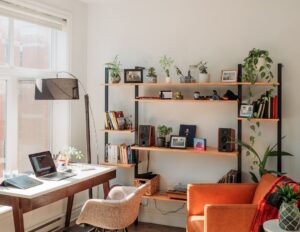
- Open Shelving: Instead of solid bookshelves or cabinets, open shelving units can display items without creating a heavy, solid block. While requiring careful organization to avoid clutter, they contribute to an airy feel.
- Legged Furniture: Furniture with exposed legs, as opposed to pieces that sit flush on the floor, creates open space beneath them. This visual break allows the eye to travel further, making the room seem larger.
- Mirrored Surfaces: While not strictly furniture, mirrors are a powerful design element. A large wall mirror can instantly double the perceived size of a room by reflecting light and creating an illusion of depth. They can be integrated into wardrobes or placed strategically to maximize their effect.
Vertical Space Utilization
In small living spaces, the floor area is often at a premium. Therefore, looking upwards and utilizing vertical space becomes an indispensable strategy. Every wall offers potential for storage, display, and organization.
Wall-Mounted Storage and Shelving
Wall-mounted solutions are critical for freeing up floor space and keeping essentials within reach. This approach extends beyond simple bookshelves.
- Floating Shelves: These provide flexible storage and display options without the bulk of traditional bookcases. They can be grouped creatively to form unique arrangements or used for single items.
- Picture Ledges: Ideal for displaying art, photographs, or small decorative items, picture ledges offer a narrow, elegant solution for vertical display.
- Wall-Mounted Cabinets and Baskets: In kitchens and bathrooms, wall cabinets or wire baskets can store toiletries, spices, or cleaning supplies, keeping countertops clear.
- Pegboards: Highly versatile, pegboards can be customized with hooks, shelves, and containers to store anything from kitchen utensils to craft supplies, allowing for dynamic organization that can be easily reconfigured.
Tall and Narrow Units
When floor space is limited, opting for tall and narrow storage units maximizes capacity without eating up valuable horizontal real estate.
- Tall Bookcases: Instead of wide, sprawling bookcases, narrow, floor-to-ceiling units provide ample storage for books and decorative items, drawing the eye upwards and enhancing the room’s perceived height.
- Pantry Cabinets: In kitchens, tall, slim pantry cabinets can store a surprising amount of food and kitchenware, especially those designed with pull-out drawers or rotating shelves.
- Corner Shelving Units: Corners are often underutilized spaces. Custom-built or modular corner shelving units can effectively convert these awkward areas into functional storage.
Loft Beds and Raised Platforms
For extremely compact living areas, particularly studios or micro-apartments, elevating the sleeping area can dramatically increase usable floor space below.
- Loft Beds: These create an entire “room” underneath, which can be used for a home office, a seating area, or additional storage. The design must prioritize safety and ease of access.
- Raised Platforms: A slightly less extreme version, a raised platform can define a sleeping zone while providing built-in storage underneath, accessible via drawers or lift-up sections. This maintains a more open feel than a full loft bed.
Smart Storage Solutions
Effective organization is not just about keeping things neat; it is about optimizing accessibility and preventing clutter from accumulating. Small spaces demand intelligent storage solutions that are often hidden or integrated.
Hidden Storage Opportunities
Integrating storage seamlessly into the existing structure or furniture is key to maintaining a clean and minimalist aesthetic in a small area.
- Under-Bed Storage: As mentioned, beds with built-in drawers or hydraulic lifts are excellent. For existing beds, under-bed storage containers (either rolling or lidded) can house seasonal clothing, linens, or infrequently used items.
- Behind-Door Organizers: The back of doors offers untapped potential. Over-the-door organizers can hold shoes, pantry items, toiletries, or cleaning supplies.
- Built-in Cabinetry: Custom-built cabinetry can make the most of awkward nooks and crannies, providing tailored storage solutions that blend seamlessly with the room’s architecture. This can include cupboards flanking a window or built-in benches with storage underneath.
- Wall Cavity Shelving: If possible, recessing shelves into wall cavities can create storage that doesn’t protrude into the room, maintaining a flush and tidy appearance.
Modular and Stackable Systems
Flexibility is crucial in small spaces. Modular and stackable storage units allow for easy reconfiguration and adaptation as needs change.
- Stackable Bins and Drawers: These are ideal for organizing closets, pantries, or even under desks. They allow for vertical storage while keeping items contained and accessible.
- Modular Cube Organizers: These versatile units can be configured in various ways to create shelving, display areas, or even room dividers. They come in different sizes and materials, offering customization.
- Interlocking Storage Containers: For drawers and cabinets, interlocking containers help to compartmentalize items, preventing them from shifting around and becoming disorganized.
Decluttering and Regular Purging
Even the most ingenious storage solutions will eventually be overwhelmed if clutter is allowed to accumulate. Regular decluttering is not just a one-time event but an ongoing practice essential for small-space living.
- “One In, One Out” Rule: For every new item brought into the home, one similar item must be removed. This prevents accumulation.
- Seasonal Swapping: Storing off-season clothing, decor, or sporting equipment in dedicated storage (e.g., under the bed, in a storage unit) frees up prime real estate for currently used items.
- Digitalize Documents: Converting physical documents, photos, and media into digital formats significantly reduces the need for bulky storage.
- Regular Audits: Periodically reviewing possessions and donating, selling, or discarding items that are no longer needed, used, or loved is vital.
Illumination and Color Psychology
The perception of space is heavily influenced by lighting and color. Strategic choices in these areas can make a small room feel significantly larger and more inviting.
Maximizing Natural Light
Natural light is a powerful tool for making a space feel more open and airy. Maximizing its intake is a priority.
- Unobstructed Windows: Keep windows as clear as possible. Heavy drapes can block light; instead, opt for sheer curtains, blinds, or roller shades that can be fully retracted.
- Mirrors Opposite Windows: Placing a large mirror directly opposite a window will reflect the outdoor view and natural light, effectively doubling its impact and creating an illusion of expanded space.
- Light-Colored Window Treatments: If curtains are necessary for privacy or insulation, choose light-colored, lightweight fabrics that allow some light to filter through.
Strategic Artificial Lighting
Even with abundant natural light, artificial lighting plays a crucial role, especially during evenings or on cloudy days. Layered lighting can transform a small space.
- Ambient Lighting: This acts as the general illumination for the room. Recessed lighting, flush-mount ceiling fixtures, or track lighting can provide even light without visual clutter.
- Task Lighting: Focused lighting for specific activities, such as reading or cooking, is essential. Wall-mounted sconces, slim floor lamps, or desk lamps provide targeted illumination without occupying much space.
- Accent Lighting: Used to highlight architectural features, artwork, or decorative objects, accent lighting adds depth and character. Small spotlights or LED strips can create dramatic effects.
- Dimmer Switches: Dimmers allow for control over the intensity of light, enabling different moods and atmospheres, from bright and invigorating to soft and relaxing.
Color Palettes for Perception
The colors used on walls, furniture, and decor have a profound effect on how a room is perceived. Lighter colors generally expand a space, while darker colors can enclose it.
- Light and Neutral Tones: Whites, off-whites, pastels, and light grays reflect light, making walls recede and creating a sense of openness. They also serve as a versatile backdrop for bolder accents.
- Monochromatic Schemes: Using variations of a single color throughout a room can create a cohesive and expansive feel, as the absence of sharp contrasts allows the eye to flow uninterruptedly.
- Bold Accents (Strategic Use): While lighter colors dominate, strategic pops of color through artwork, cushions, or a single piece of furniture can add personality without overwhelming the space.
- Ceilings Lighter Than Walls: Painting the ceiling a shade lighter than the walls can make it appear higher, contributing to an overall sense of spaciousness.
Layout and Flow Optimization
| Area | Measurement |
|---|---|
| Living Room | 200 square feet |
| Bedroom | 150 square feet |
| Kitchen | 100 square feet |
| Bathroom | 50 square feet |
| Storage Space | 50 square feet |
| Total Area | 550 square feet |
The physical arrangement of furniture and the pathways within a small space are critical for comfort and functionality. A well-designed layout promotes ease of movement and prevents a cramped feeling.
Defining Zones
Even in an open-plan studio, creating distinct zones for different activities can make a small space feel more organized and functional.
- Area Rugs: A well-placed area rug can visually delineate a living area from a dining or sleeping zone, grounding the furniture within that specific space.
- Movable Screens or Shelving Units: Open shelving units or lightweight screens can provide a semi-transparent barrier, offering a sense of separation without completely blocking light or sightlines.
- Furniture Arrangement: Arranging furniture to face each other or to form a conversational grouping can define a “living room” area, even in a larger open space.
Maintaining Clear Pathways
Unobstructed pathways are essential for comfortable movement and preventing a cluttered feel.
- Furniture Placement: Position furniture to avoid blocking doorways, windows, or primary walking paths. Ensure there’s enough space to walk around each piece comfortably.
- Corner Utilization: While corners offer storage opportunities, avoid overcrowding them with large furniture that might jut out and impede movement.
- Minimalist Approach: Resist the urge to fill every empty corner. Sometimes, open space itself is a valuable commodity in a small dwelling, allowing the eye to rest and giving a sense of breathing room.
Scale of Decor and Accessories
Finishing touches can either enhance or detract from a small space. It’s important to be mindful of their scale and quantity.
- Fewer, Larger Pieces: Instead of many small, trinket-like decorations that can contribute to visual clutter, opt for a few larger, impactful pieces of art or decor. This creates a more cohesive and sophisticated look.
- Integrated Storage for Accents: Display items should ideally be stored when not in use, or integrated into multi-functional furniture, to minimize surface clutter.
- Vertical Art Placement: Hanging artwork vertically or creating a gallery wall that extends upwards can draw the eye towards the ceiling, enhancing the perception of height.
Maximizing small space living requires a deliberate and thoughtful approach. It is an exercise in creativity, discipline, and understanding how design principles can influence perception. From selecting furniture that serves multiple purposes to employing light and color to expand a room visually, every decision contributes to the overall success of the living environment. By embracing verticality, employing smart storage solutions, and maintaining an organized and uncluttered space, occupants can transform a compact dwelling into a highly functional, comfortable, and aesthetically pleasing home. The goal is not to endure a small space, but to thrive within it, demonstrating that thoughtful design can indeed make every square meter count.
FAQs
1. What are some tips for maximizing small living spaces?
Some tips for maximizing small living spaces include using multi-functional furniture, utilizing vertical space, and keeping clutter to a minimum.
2. How can I make a small space feel larger?
To make a small space feel larger, you can use light colors, strategically place mirrors to create the illusion of more space, and keep the space organized and uncluttered.
3. What are some space-saving furniture options for small living spaces?
Space-saving furniture options for small living spaces include sofa beds, wall-mounted desks, folding tables and chairs, and storage ottomans.
4. How can I organize a small living space to maximize storage?
To organize a small living space for maximum storage, you can use storage containers, shelves, and baskets, as well as utilize under-bed storage and closet organizers.
5. What are some creative ways to utilize vertical space in a small living area?
Some creative ways to utilize vertical space in a small living area include installing floating shelves, using hanging planters, and incorporating wall-mounted storage solutions.