The modern approach to residential construction and renovation often centers on the dual goals of enhancing living comfort and reducing operational costs. Energy-efficient homes represent a significant advancement in achieving these objectives, offering a practical solution to rising utility expenses and the growing need for sustainable living practices. By integrating strategic design principles and advanced technologies, these homes provide a more consistent indoor environment while simultaneously lowering their environmental impact and financial burden.
Energy efficiency in a residential context refers to the use of less energy to provide the same or better level of service, such as heating, cooling, or lighting. This concept is not merely about installing new gadgets but rather about a holistic approach to building design and operation. It begins with a thorough understanding of how energy is consumed within a dwelling and identifying areas where waste can be minimized.
Passive Design Strategies
Passive design leverages natural elements to regulate indoor temperatures and lighting, significantly reducing reliance on active systems.
Orientation and Landscaping
The orientation of a home relative to the sun is a critical passive design consideration. Strategically placed windows and overhangs can maximize daylighting and winter solar gain while minimizing unwanted summer solar heat. Deciduous trees planted on the south and west sides of a property can provide shade in summer and allow sunlight to penetrate in winter, further optimizing thermal performance.
Thermal Mass
Materials with high thermal mass, such as concrete, brick, or stone, can absorb and store heat during the day and release it slowly at night, moderating indoor temperature swings. This is particularly effective in climates with significant diurnal temperature variations.
Natural Ventilation
Designing a home with cross-ventilation in mind, incorporating strategically placed windows and vents, can effectively cool spaces without mechanical assistance. Stack ventilation, which utilizes the natural buoyancy of warm air, can also be employed to draw cool air in from lower levels and expel warm air from higher points.
Building Envelope Optimization
The building envelope acts as the primary barrier between the indoor and outdoor environments. Its effectiveness in preventing heat transfer is paramount to energy efficiency.
Insulation Practices
Proper insulation in walls, attics, floors, and foundations is fundamental. Different types of insulation, such as fiberglass, mineral wool, cellulose, or rigid foam boards, offer varying R-values (a measure of thermal resistance). The appropriate R-value depends on the local climate and specific building codes. Inadequate insulation leads to significant heat loss in winter and heat gain in summer, forcing HVAC systems to work harder.
Air Sealing Techniques
Beyond insulation, air sealing is crucial. Gaps and cracks in the building envelope, around windows, doors, electrical outlets, and plumbing penetrations, allow air to infiltrate or exfiltrate, resulting in substantial energy waste. Techniques like caulking, weatherstripping, and specialized tapes are employed to create an airtight envelope, preventing uncontrolled air leakage. This also contributes to improved indoor air quality by preventing entry of dust, pollutants, and moisture.
High-Performance Windows and Doors
Windows and doors are often weak points in the building envelope regarding thermal performance. Double or triple-pane windows with low-emissivity (low-e) coatings and inert gas infills (like argon or krypton) significantly reduce heat transfer. Similarly, insulated doors with tight-fitting seals contribute to overall envelope integrity.
Advanced Systems for Energy-Efficient Homes
While passive design and envelope optimization lay the groundwork, advanced mechanical systems and appliances further enhance energy performance.
Efficient HVAC Systems
Heating, ventilation, and air conditioning (HVAC) systems are typically the largest energy consumers in a home. Upgrading to high-efficiency models can yield substantial savings.
High-Efficiency Furnaces and Boilers
Modern furnaces and boilers often boast higher Annual Fuel Utilization Efficiency (AFUE) ratings, indicating a greater percentage of fuel converted into usable heat. Condensing furnaces, for example, recover heat from exhaust gases, achieving efficiencies over 90%.
Air Source and Geothermal Heat Pumps
Heat pumps are increasingly popular as they can provide both heating and cooling. Air source heat pumps extract heat from the outside air in winter and release it indoors, reversing the process for cooling. Geothermal heat pumps, which utilize the stable temperature of the earth, offer even higher efficiencies due to their consistent heat source/sink.
Zoned HVAC Systems
Zoned HVAC systems divide a home into multiple heating and cooling zones, allowing occupants to control temperatures independently in different areas. This prevents energy waste by not conditioning unoccupied spaces.
Smart Home Technology Integration
Smart home technologies offer unprecedented levels of control and optimization for energy consumption.
Smart Thermostats
Programmable and smart thermostats allow precise temperature scheduling and remote control. Some models learn occupancy patterns and adjust settings automatically, while others integrate with local weather forecasts to optimize performance.
Smart Lighting and Appliances
Smart lighting systems enable dimming, scheduling, and motion-sensor activation, reducing electricity consumption. Similarly, smart appliances can be programmed to operate during off-peak electricity hours or adjusted remotely to conserve energy.
Energy Monitoring Systems
Real-time energy monitoring systems provide homeowners with detailed insights into their electricity, gas, and water consumption. This data empowers occupants to identify energy-hungry devices or inefficient practices and make informed adjustments.
Renewable Energy Integration
Incorporating renewable energy sources directly into the home can significantly reduce or even eliminate reliance on the grid, leading to substantial long-term savings and environmental benefits.
Solar Photovoltaic (PV) Systems
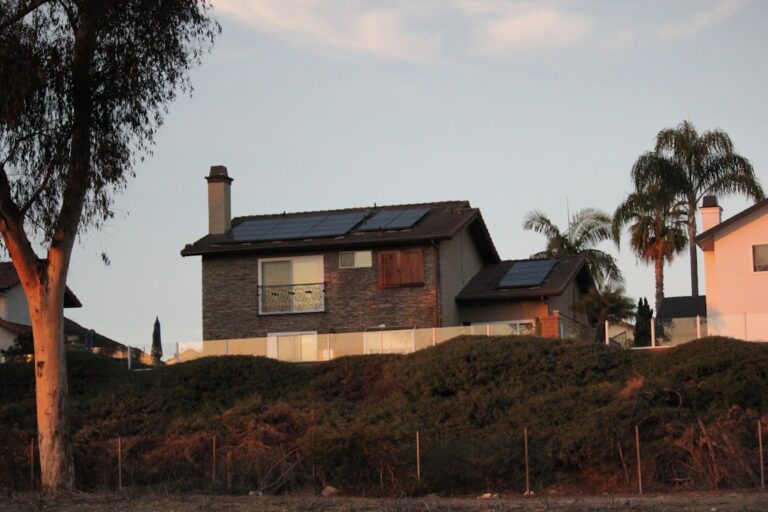
Solar panels convert sunlight directly into electricity. A grid-tied system allows homeowners to use solar power when available and draw from the utility grid when needed, often with net metering agreements that credit them for excess electricity generated.
Solar Water Heating Systems
Solar water heaters use solar collectors to absorb sunlight and heat water, which is then stored in an insulated tank. This can significantly reduce the energy required for domestic hot water production, a considerable portion of household energy consumption.
Small Wind Turbines
In areas with consistent wind resources, small wind turbines can be a viable option for generating electricity. While less common for residential use than solar, they can contribute to energy independence, particularly in rural settings.
Financial Incentives and Long-Term Savings
The initial investment in energy-efficient upgrades or new construction can be higher, but numerous financial incentives and the promise of long-term savings make them an economically sound choice.
Government Rebates and Tax Credits
Many governments and utility companies offer financial incentives, such as tax credits, grants, and rebates, to encourage the adoption of energy-efficient technologies and practices. These incentives can substantially offset the upfront costs.
Federal Tax Credits
Federal tax credits for renewable energy installations (like solar PV) and certain energy-efficient home improvements can provide significant financial relief. These credits are often percentage-based, further incentivizing larger investments.
State and Local Programs
Beyond federal initiatives, many states and local municipalities have their own programs tailored to local energy goals, which can include additional rebates for insulation upgrades, high-efficiency HVAC systems, or smart home devices.
Reduced Utility Bills
The most direct and consistent financial benefit of an energy-efficient home is the reduction in monthly utility bills. Lower energy consumption translates directly into lower expenses for heating, cooling, hot water, and electricity. Over the lifespan of the home, these savings can be substantial, often outweighing the initial investment.
Increased Home Value
Energy-efficient features are increasingly seen as desirable by prospective homebuyers. Homes with lower operating costs, better indoor air quality, and modern, sustainable features tend to command higher resale values. Energy performance certificates and verifiable utility bill history can further solidify this value proposition.
Lower Maintenance Costs
High-quality, energy-efficient components, such as well-sealed windows, durable insulation, and modern HVAC systems, often come with longer warranties and typically require less frequent maintenance compared to older, less efficient counterparts. This translates to lower ongoing repair and replacement costs.
Enhancing Indoor Comfort and Health
| Metrics | Data |
|---|---|
| Energy-Efficient Appliances | Reduce energy consumption by 10-50% |
| Insulation | Reduce heating and cooling costs by 20-30% |
| LED Lighting | Use 75% less energy and last 25 times longer |
| Smart Thermostats | Save up to 10% on heating and cooling bills |
| Solar Panels | Reduce electricity bills by 50-100% |
Beyond financial considerations, energy-efficient homes significantly improve the quality of life for their occupants through enhanced comfort and healthier indoor environments.
Consistent Temperatures and Reduced Drafts
A well-insulated and air-sealed building envelope minimizes temperature fluctuations and eliminates cold drafts, providing a more uniform and comfortable indoor climate throughout the year. Occupants experience fewer “cold spots” near windows or exterior walls.
Improved Indoor Air Quality
Tight building envelopes, while crucial for energy efficiency, require thoughtful ventilation strategies to maintain healthy indoor air quality. Mechanical ventilation systems, such as Energy Recovery Ventilators (ERVs) or Heat Recovery Ventilators (HRVs), exchange stale indoor air with fresh outdoor air while recovering a significant portion of the heat or coolness, preventing energy loss. These systems also filter airborne pollutants, allergens, and excess moisture, contributing to a healthier living environment, particularly beneficial for individuals with allergies or respiratory conditions.
Noise Reduction
The robust construction and effective insulation materials used in energy-efficient homes also contribute to significant noise reduction from the outside. This creates a quieter and more peaceful indoor environment, enhancing comfort and privacy.
Humidity Control
Effective air sealing and properly sized HVAC systems contribute to better humidity control within the home. This prevents problems associated with excessive moisture, such as mold growth and dust mites, and also avoids the discomfort of overly dry air. Maintaining optimal humidity levels is crucial for occupant health and preserving the building structure.
In conclusion, the decision to invest in an energy-efficient home or to upgrade an existing property reflects a pragmatic understanding of both contemporary market demands and long-term financial prudence. By meticulously addressing factors such as passive design, building envelope integrity, advanced mechanical systems, and renewable energy integration, these homes deliver a tangible return on investment through reduced operational costs and increased property value. Simultaneously, they elevate the standard of living by providing superior indoor comfort, healthier air quality, and a quieter environment. The convergence of these benefits positions energy-efficient homes not as a luxury, but as a practical and progressively essential component of modern residential development.
FAQs
1. What are energy-efficient homes?
Energy-efficient homes are designed to use less energy for heating, cooling, and lighting, resulting in lower energy bills and reduced environmental impact. These homes are built with energy-saving features such as insulation, high-efficiency windows, and energy-efficient appliances.
2. How do energy-efficient homes reduce energy bills?
Energy-efficient homes reduce energy bills by using less energy for heating, cooling, and lighting. This is achieved through features such as proper insulation, high-efficiency heating and cooling systems, energy-efficient appliances, and smart home technology that optimizes energy usage.
3. What are the benefits of living in an energy-efficient home?
Living in an energy-efficient home offers several benefits, including lower energy bills, reduced environmental impact, improved indoor air quality, and increased comfort. Energy-efficient homes also tend to have higher resale value and may qualify for energy efficiency incentives and rebates.
4. What are some common features of energy-efficient homes?
Common features of energy-efficient homes include proper insulation, high-efficiency windows, energy-efficient heating and cooling systems, energy-efficient appliances, LED lighting, smart thermostats, and solar panels. These features work together to reduce energy consumption and lower utility bills.
5. How can homeowners make their homes more energy-efficient?
Homeowners can make their homes more energy-efficient by upgrading insulation, installing high-efficiency windows, upgrading to energy-efficient appliances, using smart home technology to optimize energy usage, and considering renewable energy sources such as solar panels. Conducting a home energy audit can also help identify areas for improvement.