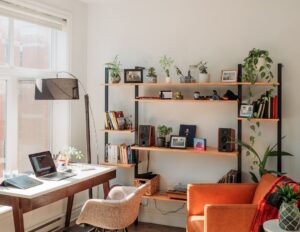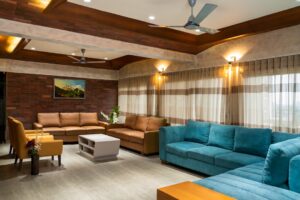
Creating a dedicated home wellness space offers numerous benefits, providing an accessible haven for relaxation and rejuvenation. This guide explores the practical considerations involved in designing such a space, focusing on functionality and the integration of elements that promote a sense of calm. The objective is to establish an environment conducive to stress reduction and personal well-being without relying on overly decorative or transient trends.
Before embarking on the design process, a clear understanding of individual wellness priorities is essential. This foundational step dictates the subsequent spatial allocation and material selections.
Defining Your Wellness Activities
The intended use of the wellness space is paramount. Will it primarily serve for meditation, yoga, reading, or quiet contemplation? Each activity imposes specific requirements regarding furniture, lighting, and soundproofing. For instance, a meditation space necessitates an open floor area and minimal visual distractions, whereas a reading nook might prioritize comfortable seating and task lighting. Consider the potential for multi-purpose use, but prioritize the primary function to avoid a cluttered or unfocused design.
Assessing Available Space and Location
The physical constraints of a home dictate the potential scale and location of the wellness zone. A dedicated room, while ideal, is not always feasible. Alternative options include a secluded corner of a living room, a section of a bedroom, or even a converted closet. When selecting a location, consider natural light exposure, proximity to noise sources, and potential for privacy. A space with ample natural light can enhance mood and provide a connection to the outdoors, while a quieter location minimizes external distractions.
Establishing a Budget and Timeline
Financial and temporal parameters significantly influence design choices. A realistic budget allocation prevents overspending and encourages resourcefulness. Similarly, a clear timeline provides structure and ensures steady progress. Prioritize essential elements within the budget, leaving less critical components for future upgrades if necessary. Consider the long-term investment in durable, comfortable, and sustainable materials, as these contribute to the longevity and effectiveness of the wellness space.
Optimizing the Sensory Environment
The sensory experience within a wellness space profoundly impacts its effectiveness. Careful consideration of visual, auditory, and olfactory elements creates a cohesive and calming atmosphere.
Visual Harmony: Color, Light, and Form
The visual aesthetic plays a critical role in establishing a sense of calm. Prioritize a subdued color palette, typically featuring muted tones such as blues, greens, grays, and whites. These colors are generally associated with tranquility and reduce visual stimulation. Avoid bright, highly saturated colors that can be overstimulating.
Natural Light Maximization
Leveraging natural light is crucial. Position the wellness space to benefit from sunlight exposure without excessive glare. Sheer curtains or blinds can diffuse harsh light while maintaining a connection to the outdoors. If natural light is limited, strategic placement of mirrors can reflect and amplify existing light.
Artificial Lighting Strategies
For artificial lighting, focus on warm-toned, dimmable fixtures. Recessed lighting, floor lamps, and table lamps with soft, ambient illumination contribute to a relaxed atmosphere. Avoid harsh overhead lighting. Consider smart lighting systems that allow for adjustable color temperature and brightness, offering flexibility for various activities throughout the day.
Minimizing Visual Clutter
A minimalist approach to decor is often beneficial. Excessive ornamentation can introduce visual clutter, counteracting the intended peacefulness. Select a few meaningful objects or pieces of art that evoke a sense of calm or personal connection. Storage solutions, such as shelving or discreet cabinets, help keep the space tidy and free from distractions.
Auditory Serenity: Sound Control and Enhancement
Sound significantly influences relaxation. The aim is to minimize unwanted noise while potentially introducing calming auditory elements.
Soundproofing Techniques
Addressing external noise sources is often a primary concern. Consider measures such as thick curtains or blinds, weather stripping around doors and windows, and even acoustic panels if noise levels are particularly high. For internal noise, soft furnishings like rugs, upholstered furniture, and wall hangings can absorb sound and reduce echoes.
Incorporating Calming Sounds
Beyond noise reduction, consider introducing beneficial sounds. A quiet fountain, a sound machine with nature sounds, or soft instrumental music can enhance the serene atmosphere. Ensure any chosen auditory elements are non-intrusive and genuinely contribute to relaxation rather than becoming another distraction.
Olfactory Comfort: Scent and Air Quality
The olfactory sense has a direct connection to mood and memory. A pleasant and subtle scent can significantly enhance the wellness experience.
Subtle Scent Diffusion
Essential oil diffusers are a common method for introducing calming scents such as lavender, chamomile, or sandalwood. Opt for natural essential oils rather than synthetic fragrances. Ensure the scent is subtle and not overwhelming. Overpowering scents can be counterproductive, causing irritation rather than relaxation.
Air Purification and Ventilation
Good air quality is fundamental to a healthy wellness space. Ensure adequate ventilation, and consider an air purifier to remove allergens and pollutants. Introducing a few indoor plants known for their air-purifying qualities can also contribute to a fresher environment while adding a touch of natural beauty.
Furnishing and Layout Considerations
The selection and arrangement of furniture and accessories directly impact the functionality and comfort of the wellness space. Prioritize ergonomics and materials that promote a sense of well-being.
Ergonomic Seating and Support
Regardless of the intended activities, comfortable and supportive seating is crucial. For meditation, consider cushions, floor pillows, or a meditation bench that supports proper posture. For reading or quiet contemplation, a comfortable armchair or chaise lounge with adequate back support is appropriate.
Multi-functional Furniture
If space is limited, select multi-functional furniture pieces. An ottoman with storage, for example, can serve as extra seating, a footrest, and a place to store blankets or meditation accessories. A console table can double as a display surface and a practical storage unit.
Material Selection for Comfort and Durability
The tactile experience of the space is influenced by material choices. Prioritize natural, soft, and durable materials.
Natural Fabrics and Textures
Opt for natural fabrics such as cotton, linen, wool, and bamboo for upholstery, throws, and decorative pillows. These materials are breathable, soft to the touch, and often possess inherent calming qualities. Incorporate natural textures like wood, stone, and wicker to add warmth and organic appeal.
Sustainable and Non-Toxic Materials
Consider the environmental impact and potential health effects of materials. Choose non-toxic paints, low-VOC finishes, and sustainable wood sources. This commitment to healthy materials contributes to a truly restorative environment.
Strategic Layout and Flow
The arrangement of furniture and elements within the space should promote ease of movement and a sense of openness.
Creating Zones (if applicable)
In larger spaces, consider delineating different zones for various activities. A screen or shelving unit can subtly separate a meditation area from a reading nook, for instance, without creating a complete barrier.
Maintaining Open Pathways
Ensure that pathways remain clear and unobstructed. A cluttered layout can impede movement and create a sense of restriction, counteracting the desired feeling of spaciousness and freedom. The overall design should feel inviting and easy to navigate.
Integrating Natural Elements
Connecting with nature is a powerful method for stress reduction and promoting well-being. Integrating natural elements into the wellness space enhances this connection.
Indoor Plants for Biophilic Design
The inclusion of indoor plants contributes to biophilic design, which emphasizes the human connection to nature. Beyond their aesthetic appeal, plants improve air quality and can reduce stress.
Low-Maintenance Varieties
Choose plants that are suitable for indoor conditions and require minimal maintenance, such as snake plants, ZZ plants, or peace lilies. Research their light and watering requirements to ensure their longevity.
Strategic Placement
Place plants strategically to add visual interest and soften harsh lines. Consider hanging plants, potted plants on stands, or a small grouping of plants to create a mini indoor garden.
Natural Light and Views
As previously mentioned, maximizing natural light is paramount. If possible, ensure the wellness space offers a view of the outdoors, even if it’s just a glimpse of trees or the sky. A direct connection to the external environment can significantly enhance feelings of calm and spaciousness.
Natural Materials and Textures
Reinforce the connection to nature by incorporating natural materials throughout the space. Wood furniture, stone accents, woven baskets, and natural fiber rugs all contribute to an organic and grounding aesthetic. Avoid excessive use of synthetic materials that can create a sterile or artificial ambiance.
Personalization and Maintenance
| Wellness Space Element | Metrics |
|---|---|
| Lighting | Percentage of natural light, number of light sources |
| Plants | Number of plants, type of plants |
| Comfortable seating | Number of seating options, comfort level |
| Aromatherapy | Number of essential oils, types of diffusers |
| Sound system | Quality of speakers, variety of music options |
The final touches and ongoing care of the wellness space are crucial for its sustained effectiveness and personal resonance.
Incorporating Personal Touches
While a minimalist approach is often beneficial, incorporating a few personal items can enhance the sense of belonging and comfort.
Meaningful Objects and Art
Select objects that hold personal significance or evoke positive emotions. This could be a piece of art, a souvenir from a meaningful trip, or a cherished photograph. Ensure these items contribute to the peaceful atmosphere rather than creating clutter.
Essential Accessories
Consider including accessories that support your wellness activities, such as a comfortable blanket, a journal, or a water bottle. These practical items contribute to the functionality and comfort of the space.
Maintaining a Clean and Orderly Environment
A consistently tidy and clean space reinforces the sense of calm and order. Regular cleaning and decluttering are essential to prevent the accumulation of distractions.
Regular Decluttering
Dedicate a short period each week or month for decluttering. Remove anything that does not serve a purpose or contribute to the overall tranquility of the space. This prevents mental and visual overload.
Routine Cleaning Practices
Establish a routine for cleaning surfaces, dusting, and vacuuming or sweeping. A clean environment promotes a sense of freshness and well-being, contributing to the overall effectiveness of the wellness zone.
By meticulously addressing these aspects, individuals can design a home wellness space that genuinely serves as a sanctuary, fostering relaxation, rejuvenation, and a sustained sense of personal well-being. The emphasis remains on practical, functional choices that create an environment conducive to introspection and calm, rather than fleeting trends or superficial aesthetics.
FAQs
What is a home wellness space?
A home wellness space is a designated area within your home that is specifically designed to promote relaxation, rejuvenation, and overall well-being. It can include elements such as comfortable seating, calming decor, and tools for meditation or exercise.
How can I create a home wellness space?
To create a home wellness space, you can start by choosing a quiet and peaceful area in your home, such as a spare room, corner of a bedroom, or a cozy nook. Then, you can add elements such as comfortable seating, soft lighting, calming colors, plants, and items that promote relaxation and mindfulness, such as essential oils, candles, or meditation cushions.
What are the benefits of having a home wellness space?
Having a home wellness space can provide a dedicated area for relaxation, meditation, yoga, or other wellness activities. It can help reduce stress, improve mental clarity, and promote overall well-being. It also serves as a reminder to prioritize self-care and create a healthy work-life balance.
What are some essential elements for a home wellness space?
Essential elements for a home wellness space include comfortable seating such as a cozy chair or floor cushions, soft lighting such as lamps or candles, calming decor such as nature-inspired artwork or soothing colors, and tools for relaxation and mindfulness such as essential oils, meditation cushions, or yoga mats.
How can I make the most of my home wellness space?
To make the most of your home wellness space, consider incorporating activities that promote relaxation and well-being, such as meditation, yoga, reading, or listening to calming music. You can also personalize the space with items that bring you joy and comfort, and make it a habit to spend regular time in your wellness space for self-care and rejuvenation.