The modern home office has transformed from a mere functional space to a crucial cornerstone of productivity. As remote work and flexible arrangements solidify their place in the professional landscape, the design and organization of one’s home workspace become paramount. A well-conceived home office can act as a mental catalyst, a sanctuary for focused effort, and a gateway to achieving professional goals. This article explores a range of creative home office ideas designed to enhance productivity, addressing both the practical and psychological aspects of such an environment.
The physical arrangement of a home office is foundational to its effectiveness. Maximizing existing space, especially in smaller living quarters, requires a strategic and often unconventional approach. The goal is to create defined zones that signal the shift from domesticity to work, thereby fostering a mental separation that aids concentration.
The Decluttering Discipline
Before any creative design can flourish, a rigorous decluttering process is essential. Think of your workspace as a ship; unnecessary cargo slows it down. Remove anything that does not directly contribute to your work or well-being. This includes excess stationery, outdated papers, and decorative items that have lost their purpose. A clear desk is often a clear mind.
The KonMari Method for Office Spaces
Applying principles like Marie Kondo’s – focusing on items that “spark joy” (or in a work context, items that are essential for productivity and well-being) – can be highly effective. This involves gathering all items, assessing their necessity and function, and thanking those that are no longer needed before discarding them respectfully.
Vertical Space: The Unsung Hero
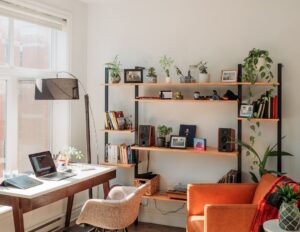
When horizontal space is limited, the vertical dimension becomes a valuable ally. Shelving units, wall-mounted organizers, and pegboards can house essentials, freeing up desk surface area and improving accessibility. This approach transforms blank walls into productive real estate, much like developing unexplored territories on a map.
Custom-Built Shelving Solutions
For those with a bit more flexibility, custom-built shelving can be tailored to the exact dimensions of the room and the specific needs of the user. These can range from minimalist floating shelves to integrated desk and storage units.
The Power of Pegboards
Pegboards offer a versatile and customizable solution for storing tools, stationery, and small equipment. Their adaptability allows for frequent reconfiguration as workflow needs change.
Zone Creation: Defining Work and Rest
Even within a single room, distinct zones can be delineated to signal different activities. A primary work zone should be dedicated to the desk and essential equipment, while a secondary zone could be for reading, brainstorming, or even a small area for stretching. This compartmentalization helps to mentally detach from work, preventing burnout.
The “Work Triangle” for Ergonomics
In a larger office, applying a similar concept to kitchen design, a “work triangle” can be considered for the placement of your desk, storage, and communication devices. This minimizes unnecessary movement and promotes efficiency.
If you’re looking for inspiration to create a productive and stylish home office, you might find it helpful to explore related topics that touch on the importance of space and environment. For instance, understanding the legalities of space exploration can provide interesting insights into how we perceive and utilize space in our daily lives. You can read more about this intriguing subject in the article found here: Understanding the Legalities of Space Exploration.
Enhancing Ergonomics for Sustained Focus
Ergonomics in the home office is not a luxury; it is a necessity for sustained productivity and long-term health. An incorrectly set up workstation can lead to physical discomfort, fatigue, and even chronic pain, which directly impedes the ability to concentrate and perform effectively.
The Foundation: A Proper Chair
The office chair is arguably the most critical piece of furniture for a home office. It should provide adequate lumbar support, adjustable height and armrests, and allow the user’s feet to rest flat on the floor. Investing in a good ergonomic chair is akin to investing in the engine of a well-oiled machine; it powers your ability to work comfortably for extended periods.
Testing Chair Features
When selecting a chair, prioritize adjustable lumbar support, seat depth, and armrest height. Consider mesh backs for breathability, particularly in warmer climates.
Desk Height and Monitor Placement
The desk should be at a height that allows for relaxed shoulders and a 90-degree angle at the elbows when typing. Monitor placement is equally important; the top of the screen should be at or slightly below eye level to prevent neck strain.
Using Monitor Stands or Risers
Simple solutions like monitor stands or even stacks of books can elevate screens to the correct ergonomic height. Adjustable monitor arms offer more flexibility.
Keyboard and Mouse Positioning
A keyboard and mouse should be positioned close enough to maintain a relaxed arm posture, avoiding reaching. Consider ergonomic keyboards and mice for users experiencing or seeking to prevent repetitive strain injuries.
The Importance of Breaks
Incorporating regular breaks for stretching and movement is crucial, regardless of how ergonomic the setup. The body is not designed for prolonged static posture.
Designing for Improved Mental Well-being and Focus
Beyond the purely functional, the aesthetic and environmental aspects of a home office significantly influence cognitive function and emotional state. A space that inspires calm and clarity can be a powerful tool for enhancing productivity.
Lighting: Natural vs. Artificial
Natural light is widely recognized for its positive impact on mood, energy levels, and productivity. Position your desk to take advantage of natural light without causing glare on your screen. When natural light is insufficient, a combination of ambient, task, and accent lighting can create a balanced and functional environment.
Maximizing Natural Light
Consider placing your desk near a window. Use sheer curtains or blinds to control glare without completely blocking the light.
Layered Artificial Lighting
Ambient lighting provides general illumination, while task lighting focuses on your work area. Accent lighting can highlight artwork or plants, contributing to a more inviting atmosphere.
Color Psychology in the Workspace
The colors used in your home office can subtly influence your mood and concentration. Blues and greens are often associated with calmness and focus, while yellows can stimulate creativity and optimism. Avoid overly stimulating or distracting colors like bright reds in your primary work area.
Muted Tones for Concentration
Soft blues, greens, and neutral tones are excellent choices for promoting a focused work environment.
Accent Colors for Inspiration
Use brighter, more energizing colors sparingly as accents to stimulate creativity.
Incorporating Nature: Biophilic Design
The inclusion of plants and natural elements, known as biophilic design, can significantly reduce stress and improve cognitive function. Plants not only enhance air quality but also bring a sense of life and tranquility to the space.
Easy-Care Indoor Plants
Succulents, snake plants, and spider plants are low-maintenance options that can thrive in office environments.
Natural Materials and Textures
Incorporate wood, stone, and other natural materials into the furniture and decor to create a more grounding and calming atmosphere.
Smart Storage Solutions for an Organized Workflow
Effective storage is the bedrock of an organized and productive home office. It minimizes distractions, keeps essential items readily accessible, and prevents the dreaded descent into disarray. A cluttered workspace can feel like navigating a maze blindfolded; it hinders progress and creates frustration.
Digital Organization as a Precursor
Before tackling physical storage, consider the digital realm. A well-organized digital filing system, with clear naming conventions and logical folder structures, significantly reduces the need for physical paper storage and makes information retrieval more efficient.
Cloud Storage and Backups
Utilize cloud storage services for accessibility and data redundancy. Implement a robust backup strategy.
Desktop and File Management Software
Explore software solutions that can help organize your digital desktop and files.
Versatile Shelving and Cabinetry
Investing in versatile shelving units and cabinets that can adapt to changing needs is essential. Modular systems offer flexibility, allowing you to reconfigure your storage as your workflow evolves.
Floating Shelves for a Minimalist Aesthetic
Floating shelves provide ample storage without the visual bulk of traditional units, contributing to a cleaner, more open feel.
Closed Cabinetry for Concealed Storage
Closed cabinets are ideal for hiding clutter and storing items that you don’t need to access frequently.
Drawer Organizers and Desk Accessories
Small, everyday items can quickly create clutter. Drawer organizers, desk trays, and pen holders help maintain order and ensure that frequently used items are within easy reach.
Modular Drawer Inserts
Customize your drawers with modular inserts to perfectly fit your stationery, cables, and other small items.
Cable Management Solutions
Tangled cables can be a significant source of visual clutter and tripping hazards. Cable clips, ties, and management boxes can transform a messy tangle into a neat and organized system.
If you’re looking to enhance your workspace with some creative home office ideas, you might find inspiration in various articles that explore different aspects of productivity and comfort. For instance, a fascinating read on the benefits of cannabinoids can provide insights into how certain products may help improve focus and reduce stress while you work. You can check out this informative piece on cannabinoids to discover how they might fit into your home office setup.
Fostering a Productive Atmosphere Through Technology and Personalization
| Home Office Idea | Key Features | Estimated Setup Time | Space Requirement | Productivity Impact |
|---|---|---|---|---|
| Standing Desk | Adjustable height, ergonomic, promotes movement | 1-2 hours | Medium (requires desk space) | High (reduces fatigue, improves focus) |
| Ergonomic Chair | Lumbar support, adjustable height and tilt | 30 minutes | Small | High (improves posture and comfort) |
| Dual Monitor Setup | Increased screen space, multitasking | 1 hour | Medium to Large | High (boosts efficiency) |
| Natural Lighting | Window placement, daylight lamps | Varies | Depends on room | Medium (enhances mood and alertness) |
| Noise-Cancelling Headphones | Reduces distractions, improves focus | Immediate | Minimal | High |
| Organized Storage Solutions | Shelves, drawers, cable management | 1-3 hours | Small to Medium | Medium (reduces clutter) |
| Green Plants | Air quality improvement, aesthetic | 15 minutes | Small | Low to Medium (boosts mood) |
The right technological tools and a touch of personal flair can transform a home office from a mere workstation into a highly functional and inspiring environment that caters to individual needs and preferences. The goal is to create a space that not only facilitates work but also genuinely supports and motivates the user.
The Essential Technology Toolkit
Beyond the standard computer and internet connection, consider which technological tools can genuinely enhance your productivity. This might include noise-canceling headphones for deep focus, external monitors for improved multitasking, or smart home devices that can automate routine tasks.
Noise-Canceling Headphones for Immersion
For individuals working in noisy environments or seeking to create a personal zone of concentration, high-quality noise-canceling headphones are invaluable.
Dual Monitors for Enhanced Multitasking
The juxtaposition of multiple screens allows for simultaneous viewing of documents, applications, and communication tools, dramatically improving efficiency.
Smart Devices for Automation
Consider smart plugs for controlling lamps or fans, or voice assistants for quick information retrieval, streamlining workflow.
Personalization: Making the Space Your Own
A home office should reflect the personality and preferences of its occupant. While maintaining a professional ambiance, infuse the space with elements that bring you joy and inspiration. This could include artwork, photographs, or objects that hold personal significance.
Curating Artwork and Decor
Select artwork or decorative items that resonate with you and contribute to a positive atmosphere. Avoid overcrowding the space.
Inspirational Quotes and Vision Boards
Placing motivational quotes or a vision board within your line of sight can serve as a constant reminder of your goals and aspirations.
The Role of Soundscapes
The auditory environment can significantly impact focus. Some individuals thrive in silence, while others benefit from ambient music or white noise. Experiment with different soundscapes to discover what best supports your concentration and creative flow.
Ambient Music for Focus
Curated playlists of instrumental or lo-fi music can create a conducive atmosphere for sustained work.
White Noise or Nature Sounds
For some, consistent, low-level background noise like white noise or nature sounds can mask distracting environmental noises and improve focus.
By thoughtfully considering these creative home office ideas, individuals can cultivate a workspace that is not only aesthetically pleasing but also a powerful engine for productivity, well-being, and professional success. The home office is no longer just a room; it is an ecosystem designed for accomplishment.
FAQs
What are some essential items to include in a home office setup?
Essential items for a home office include a comfortable ergonomic chair, a sturdy desk, adequate lighting, a computer or laptop, reliable internet connection, and organizational tools such as shelves or filing cabinets.
How can I maximize space in a small home office?
To maximize space in a small home office, use vertical storage solutions like wall-mounted shelves, choose multi-functional furniture, keep the area clutter-free, and consider foldable or compact desks and chairs.
What are effective ways to reduce distractions in a home office?
Effective ways to reduce distractions include setting clear work hours, using noise-cancelling headphones, creating a dedicated workspace separate from living areas, and minimizing clutter to maintain focus.
How important is lighting in a home office, and what types are best?
Lighting is crucial for reducing eye strain and maintaining productivity. Natural light is ideal, supplemented by adjustable task lighting such as desk lamps with LED bulbs that provide bright, even illumination.
Can incorporating plants improve a home office environment?
Yes, incorporating plants can improve air quality, reduce stress, and enhance the aesthetic appeal of a home office, contributing to a more pleasant and productive workspace.