
The pros and cons of adding a skylight, from natural light and ventilation to possible leaks and heat loss, plus installation tips.
November 13, 2026
Home improvement · Real estate · Life around the house

The pros and cons of adding a skylight, from natural light and ventilation to possible leaks and heat loss, plus installation tips.
 Mai
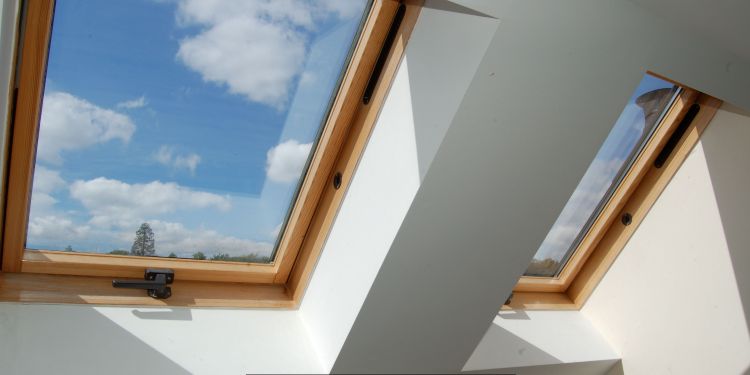
Table of Contents
ToggleSkylights are an excellent way to enhance natural lighting in a home while also providing aesthetic and energy-efficient benefits. However, before making the decision to install one, it’s essential to weigh the advantages and potential drawbacks. In this guide, we’ll explore the pros and cons of adding a skylight, along with key installation tips to ensure a successful project.
One of the biggest advantages of skylights is the ability to bring in more natural light, making rooms feel brighter and more inviting. This can reduce reliance on artificial lighting and help improve mood and productivity.
By allowing more sunlight into a home, skylights can help reduce energy costs. In winter, they can provide passive solar heating, decreasing the need for artificial heating. Energy-efficient skylights with low-emissivity (Low-E) coatings can also help regulate indoor temperatures.
Ventilated skylights can help improve airflow, allowing hot air to escape and fresh air to enter. This is particularly beneficial in areas like kitchens and bathrooms, where humidity and odors can accumulate.
Skylights add a unique architectural feature to a home, enhancing its visual appeal. Well-installed skylights can also increase property value by making interiors more attractive and energy-efficient.
Improperly installed or aging skylights can develop leaks, leading to water damage and mold growth. Choosing high-quality materials and professional installation can minimize this risk.
While skylights can improve natural lighting, they can also lead to unwanted heat gain in summer and heat loss in winter if not properly insulated. Using double-glazed or Low-E glass can help mitigate temperature fluctuations.
Skylight installation can be expensive, depending on the type, size, and complexity of the project. Costs can range from a few hundred to several thousand dollars, including labor and materials.
Skylights require regular cleaning to prevent dirt and debris buildup. They may also need occasional resealing or repair to maintain their efficiency and prevent leaks.
There are different types of skylights, including fixed, ventilated, tubular, and solar-powered models. Consider your specific needs, such as lighting, ventilation, and energy efficiency, when selecting the best option for your home.
Placement is key for maximizing benefits. South-facing skylights provide the most light but may lead to overheating, while north-facing skylights offer consistent, soft illumination. Avoid placing skylights where they will be blocked by trees or other structures.
Opt for energy-efficient glazing with UV protection to minimize heat gain and prevent fading of furniture and flooring. Choose durable flashing and waterproofing materials to reduce the risk of leaks.
While DIY installation is possible, hiring a professional ensures proper sealing, insulation, and alignment. A licensed contractor will also help comply with building codes and manufacturer warranties.
Features like rain sensors, remote-controlled blinds, and smart ventilation systems can enhance the functionality and convenience of your skylight.
Adding a skylight can be a fantastic way to brighten up your home and improve energy efficiency, but it’s important to consider both the benefits and potential drawbacks. By selecting the right type, using quality materials, and ensuring professional installation, you can enjoy the advantages of a well-lit, comfortable, and visually appealing living space.

Mai is Candy Bird's go-to writer for everything around the house, from repairs and DIY fixes to smart storage, energy-saving upgrades and buying or selling a home. Her advice is practical, easy to follow and comes with a touch of humor, whether you're a first-time homeowner or a seasoned DIYer.
More from this writer →
Five minutes, every weekend. Free.

Practical guides for the place you live: fixing it up, decorating it, keeping it running, and buying, selling or renting it.
© 2026 Candy Bird. All rights reserved.
Candy Bird is ad-supported. Our guides are general information, not professional, legal or financial advice: check with a licensed contractor, agent or lender before big decisions.