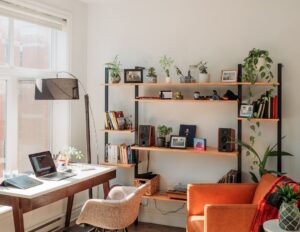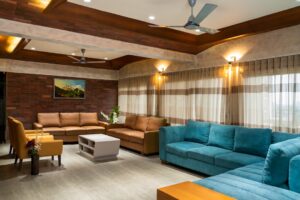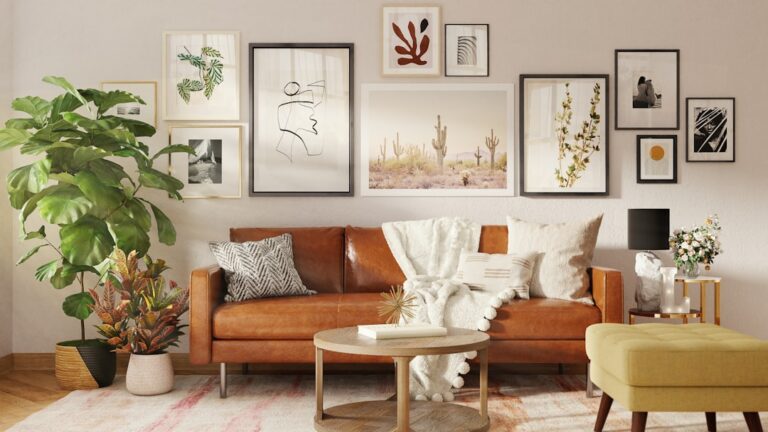
The home serves as a primary locus of individual expression and comfort, representing a tangible manifestation of personal taste and aspirations. The intentional arrangement and selection of elements within a domestic environment, commonly referred to as home decor, are integral to shaping its functionality, aesthetic appeal, and overall atmosphere. This article will explore various facets of home decor, providing practical insights and strategic approaches to transform living spaces into more desirable and effective settings.
Before embarking on any decorative endeavors, a thorough understanding of the existing space is paramount. This involves not merely an inventory of furniture but also an analysis of architectural features, natural light availability, and traffic flow. Each room possesses its own unique character, derived from its dimensions, the materials used in its construction, and its intended purpose. Recognizing these inherent qualities is the bedrock upon which successful decor is built.
Analyzing Architectural Features
The structural elements of a home, such as windows, doorways, fireplaces, and ceiling heights, are not merely functional components but also significant aesthetic anchors. Original moldings, exposed beams, or intricate tile work can contribute substantial character and should be considered during the design process. Conversely, some architectural elements might present challenges, such as unusually shaped rooms or limited natural light. Identifying these features allows for the development of strategies to either accentuate their strengths or mitigate their limitations. For instance, a low ceiling can be visually lifted through the strategic use of vertical lines in wall treatments or the placement of lighting fixtures. Similarly, a large, prominent window can become a focal point, commanding attention and influencing the arrangement of surrounding furnishings. The careful study of these inherent characteristics is akin to a sculptor understanding the grain and form of their chosen material before beginning their work; it ensures that the subsequent interventions are in harmony with, rather than at odds with, the existing structure.
Assessing Natural Light and Ventilation
Natural light is a fundamental element that significantly impacts the perception of a space’s size, mood, and overall appeal. The quantity, quality, and direction of sunlight that enters a room dictate how colors appear, how textures are perceived, and how the space feels throughout the day. Rooms with abundant natural light can accommodate a wider range of color palettes and materials, while those with limited light may benefit from lighter paint colors, reflective surfaces, and well-placed artificial lighting to compensate. Similarly, ventilation plays a crucial role in inhabitability and comfort. Understanding how air circulates within a home can inform decisions about furniture placement, the use of open shelving, and the selection of window treatments. Promoting good airflow, when possible, contributes to a healthier and more pleasant living environment.
Determining Room Functionality and Flow
The intended purpose of each room directly influences its decorative requirements. A bedroom prioritizes rest and tranquility, while a living room is often a hub for social interaction and relaxation. A kitchen demands practicality and efficiency, and a home office requires focus and organization. Understanding the primary and secondary functions of a space allows for the selection of furniture, storage solutions, and decorative items that enhance, rather than hinder, these activities. Furthermore, the flow between rooms, or the pathways people take when moving through the home, is a critical consideration. Furniture should be arranged to facilitate unimpeded movement, creating a sense of openness and ease. Blocked pathways or awkwardly placed furniture can make a home feel cramped and frustrating to navigate, irrespective of its aesthetic merits. This aspect of decor is about creating a cognitive map of the home that is intuitive and comfortable to traverse.
If you’re looking to enhance your outdoor space, consider checking out this article on creating a DIY outdoor fire pit, which can be a fantastic addition to your home decor. Not only does it provide a cozy gathering spot for friends and family, but it also adds a warm ambiance to your backyard. You can read more about this transformative weekend project by visiting DIY Outdoor Fire Pit: A Weekend Project to Transform Your Backyard.
Color and Texture: Setting the Mood
Color and texture are the primary tools available to a decorator for evoking specific emotions and establishing a distinct atmosphere within a room. They are the sensory threads that weave together the overall fabric of the interior design. Their interplay is complex, with each influencing the perception of the other, and their judicious application can transform a mundane space into something evocative and engaging.
The Psychology of Color
Color possesses a profound psychological impact, influencing mood, energy levels, and even perceptions of space. Warm colors, such as reds, oranges, and yellows, tend to be associated with energy, warmth, and enthusiasm, often making a space feel more intimate and inviting. Cool colors, like blues, greens, and purples, are generally perceived as calming, serene, and sophisticated, contributing to an atmosphere of tranquility and spaciousness. Neutrals, including whites, grays, beige, and black, provide a versatile backdrop, allowing accent colors to stand out and offering a sense of understated elegance. The saturation and brightness of a color also play a significant role. Deep, rich hues can create a sense of drama and luxury, while lighter, more muted tones can promote a sense of peace and spaciousness. Understanding these associations allows for the strategic selection of color palettes that align with the desired ambiance of a particular room. For example, a bedroom might benefit from calming blues or greens, while a dining room could be enhanced by warmer, more stimulating tones.
Utilizing Textural Elements
Texture refers to the surface quality of an object or material, encompassing its tactile and visual characteristics. The incorporation of varied textures introduces depth, visual interest, and a sense of comfort to a space. Rough textures, such as exposed brick, natural wood, or woven fabrics, can add a rustic or organic feel, while smooth, polished surfaces, like glass, metal, or lacquered wood, convey a sense of modernity and sophistication. Layering different textures can create a rich and inviting environment. Consider the juxtaposition of a soft, plush rug against a cool, tiled floor, or the combination of a smooth leather sofa with chunky knit cushions. This interplay of surfaces engages the senses, moving beyond the purely visual to create a more immersive experience. Different textures can also influence how light interacts with a surface; a matte finish will absorb light, creating a soft diffusion, while a glossy finish will reflect it, adding sparkle and visual energy.
The Impact of Light on Color and Texture
The interaction between light and color is symbiotic. The same paint color can appear vastly different depending on the type and intensity of light it is exposed to. Natural daylight, with its full spectrum, renders colors accurately, while artificial lighting, whether incandescent, fluorescent, or LED, can cast its own color temperature, altering the perceived hue. Warm incandescent bulbs tend to enhance reds and yellows, while cooler fluorescent lights can make blues and greens appear more vibrant. Understanding this relationship is crucial for selecting and applying colors effectively. Similarly, light plays a vital role in highlighting textural variations. Direct light can cast shadows that emphasize the contours and imperfections of a textured surface, while diffused light can soften these details, creating a more uniform appearance. Strategic lighting design can therefore be used to either accentuate or de-emphasize specific textures, further refining the desired aesthetic. It is through this mindful manipulation of light that the true character of both color and texture is revealed.
Furniture and Layout: The Functional Heartbeat
Furniture is not merely utilitarian; it is the architect of a room’s functionality and the primary driver of its visual narrative. The selection of pieces and their strategic placement are foundational to creating a space that is both practical and aesthetically pleasing, dictating how inhabitants interact with their environment.
Selecting Appropriate Furniture
The choice of furniture should reflect both the intended use of a room and the homeowner’s personal style. Scale is a critical consideration; oversized furniture can overwhelm a small room, while undersized pieces can appear lost in a larger space. The proportion of furniture relative to the room’s dimensions and other decorative elements is key to achieving a balanced composition. Materials, durability, and comfort are also paramount, particularly for high-traffic areas or pieces intended for frequent use. For instance, a family living room may benefit from durable, stain-resistant fabrics, while a formal dining room might feature more delicate materials. The style of furniture, from minimalist modern to ornate traditional, should be consistent with the overall design concept, acting as individual brushstrokes that contribute to a cohesive masterpiece.
Strategic Furniture Arrangement
The arrangement of furniture, often referred to as layout or spatial planning, is the blueprint for how a room functions and how its occupants move within it. The goal is to create distinct zones for different activities, such as conversation, relaxation, or entertainment, while ensuring smooth traffic flow between them. Negative space, the areas around and between furniture, is as important as the furniture itself. An overly cluttered arrangement can make a room feel cramped and intimidating, while too much empty space can result in a feeling of barrenness. Grouping furniture to create conversation areas, ensuring that seating is oriented towards focal points such as fireplaces or entertainment centers, and maintaining clear pathways are fundamental principles. The arrangement should be intuitive, guiding occupants through the space without obstruction. It is about orchestrating a dance of objects and people within the confines of the room.
The Role of Focal Points
Every well-designed room benefits from a focal point, an element that immediately draws the eye and serves as a central anchor for the decor. This could be an architectural feature like a fireplace or a large window with a view, or it could be a carefully chosen piece of art, a striking piece of furniture, or a vibrant rug. Furniture arrangement should often be oriented around this focal point, reinforcing its prominence and creating a sense of visual hierarchy. When a room lacks an inherent focal point, one can be created through the deliberate placement of a statement piece or a carefully curated vignette. This deliberate act of drawing attention allows the viewer’s eye to land, providing a starting point for appreciating the entirety of the space and preventing visual overwhelm. It is the “hero shot” of the room’s visual story.
Lighting: Illuminating the Atmosphere
Lighting is more than just a functional necessity; it is a transformative element that shapes the perception of a space, influences mood, and enhances the visibility and appreciation of decorative details. Effective lighting design involves a multi-layered approach, utilizing different types of fixtures and light sources to achieve a desired ambiance.
Layering Light Sources
A well-lit room typically employs a combination of three primary types of lighting: ambient, task, and accent lighting. Ambient lighting provides the general illumination for a space, establishing the overall brightness. This is often achieved through ceiling fixtures like chandeliers or recessed lighting. Task lighting is focused on specific areas where activities are performed, such as reading or cooking. Desk lamps and under-cabinet lighting are examples of task lighting. Accent lighting is used to highlight particular features or objects, such as artwork or architectural elements, drawing attention and adding visual interest. Spotlights or directional lamps are commonly used for this purpose. The strategic interplay of these layers allows for flexibility, enabling the homeowner to adjust the lighting to suit different times of day, activities, and moods. It is about creating a dynamic and responsive environment, not a static one.
The Impact of Light Fixtures
The selection of light fixtures is a significant decorative choice in itself. Fixtures contribute to the aesthetic of a room through their design, material, and the quality of light they emit. A statement chandelier can serve as a dramatic focal point in a dining room or entryway, while sleek, modern sconces can add understated elegance to a hallway. The style of the fixture should complement the overall decor, and its scale should be appropriate for the room. Furthermore, the type of bulb used within a fixture influences the color temperature and brightness of the light. Warm white bulbs create a cozy, inviting atmosphere, while cool white bulbs offer a brighter, more invigorating light. Understanding these nuances allows for the careful curation of lighting that not only illuminates but also decorates.
Dimmers and Controls
The incorporation of dimmer switches offers a powerful tool for controlling the intensity of light and, consequently, the mood of a room. By allowing for adjustable light levels, dimmers enable a space to transition seamlessly from a brightly lit, functional area to a softly illuminated, intimate setting. This adaptability is invaluable, transforming a room’s atmosphere with the flick of a switch. Smart lighting systems provide even greater control, allowing for pre-programmed lighting scenes, remote operation, and integration with other home automation devices. The ability to sculpt the light within a space empowers the homeowner to tailor the environment to their precise needs and preferences, making lighting a dynamic and integral component of the decor.
If you’re looking to refresh your living space, exploring various home decor styles can be incredibly inspiring. One article that delves into the essentials of creating a cozy and inviting atmosphere is available at this link. It offers valuable insights that can help you make informed choices about your interior design, ensuring that your home reflects your personal style while remaining functional.
Decorative Accents and Personal Touches: The Soul of the Space
| Metric | Value | Unit | Notes |
|---|---|---|---|
| Average Spending per Household | 1200 | USD | Annual average in the US |
| Market Size (Global) | 150 | Billion USD | Estimated 2023 |
| Growth Rate | 5.8 | % per year | Projected CAGR 2023-2028 |
| Popular Categories | Furniture, Lighting, Wall Art, Rugs | Categories | Top selling product types |
| Online Sales Percentage | 35 | % | Share of total home decor sales |
| Top Consumer Age Group | 25-44 | Years | Most active buyers |
| Average Time Spent on Home Decor Shopping | 3.5 | Hours per month | Includes online and offline shopping |
While the foundational elements of a room – walls, furniture, and lighting – provide the structure, it is through decorative accents and personal touches that the space truly comes alive and reflects the personality of its inhabitants. These elements are the unique fingerprints that distinguish one home from another.
Artwork and Wall Decor
Artwork can serve as a powerful statement, injecting personality, color, and a sense of narrative into a room. The selection of artwork should be a personal journey, aligning with individual preferences and the overall aesthetic of the space. This can range from large abstract paintings to framed photographs, tapestries, or decorative mirrors. Mirrors, in particular, can be highly functional, reflecting light and creating an illusion of greater space, while also serving as decorative elements. The arrangement of artwork, whether a single striking piece or a curated gallery wall, should be considered thoughtfully to create balance and visual interest. Wall decor, in this context, is the visual language spoken by the walls.
Textiles and Soft Furnishings
Textiles, including rugs, curtains, cushions, and throws, play a crucial role in adding warmth, comfort, and visual texture to a room. Rugs can define areas within an open-plan space, add color and pattern underfoot, and contribute to acoustic comfort. Curtains not only control light and privacy but also serve as significant decorative elements, their fabric, color, and hang contributing to the overall atmosphere. Cushions and throws offer an easy and economical way to introduce new colors, patterns, and textures, allowing for seasonal updates and experimentation. These soft furnishings are the tactile embrace of the home.
Decorative Objects and Collections
The display of decorative objects and personal collections adds a layer of individuality and history to a space. This could include antique finds, souvenirs from travels, family heirlooms, or carefully curated collections of ceramics, books, or plants. The key is to display these items thoughtfully, avoiding clutter and ensuring they contribute to the overall aesthetic rather than detracting from it. Grouping similar items, varying heights, and incorporating negative space can create visually appealing arrangements. Plants, in particular, bring life and organic texture into a space, improving air quality and adding a sense of natural beauty. These objects are the storytellers of the home, each with its own narrative to share.
Embracing Personal Style and Functionality: Creating a Cohesive Vision
The ultimate success of any home decor project lies in its ability to strike a balance between personal expression and functional practicality. A home should not only be visually appealing but also serve the needs of its inhabitants, creating an environment that fosters comfort, well-being, and a sense of belonging.
Identifying Your Aesthetic
Understanding your personal aesthetic is the first step in creating a cohesive and fulfilling living space. This involves self-reflection on what styles, colors, and materials resonate with you. Does a minimalist, uncluttered environment appeal, or do you gravitate towards more eclectic and richly layered spaces? Consider your lifestyle and how you use your home. A busy family may require a more robust and low-maintenance approach than a single individual. Documenting inspiration through mood boards or saved images can help crystallize your preferences and identify recurring themes. This process is about internalizing your desires and translating them into an external reality.
Prioritizing Functionality
While aesthetic appeal is important, functionality should never be sacrificed. A beautiful room that is impractical to live in will ultimately lead to frustration. Consider the flow of traffic, the accessibility of storage, and the comfort of furniture. For example, in a kitchen, the placement of appliances and work surfaces is critical for efficient cooking. In a living room, the arrangement of seating should facilitate conversation and television viewing. When making decorative choices, always ask yourself: “Does this serve a purpose, and does it enhance the usability of the space?” A well-designed space seamlessly blends form and function, like a well-tuned instrument that produces both beautiful music and is a pleasure to play.
Creating a Sense of Cohesion
A truly successful home decor project results in a sense of cohesion, where all the elements within a space work together harmoniously. This does not necessarily mean adhering to a strict style; rather, it involves creating a unifying thread that ties different elements together. This could be a consistent color palette used throughout the home, a recurring motif or material, or a shared overall mood. When approaching each room, consider how it relates to the rest of the house, ensuring a smooth transition and a consistent narrative. The aim is to create a home that feels like a unified whole, rather than a collection of disparate parts. It is the quiet hum of harmony that reassures you that you are, indeed, home.
FAQs
What are some popular styles of home decor?
Popular styles of home decor include modern, contemporary, traditional, rustic, industrial, Scandinavian, bohemian, and minimalist. Each style has distinct characteristics in terms of color schemes, furniture, and accessories.
How can I choose the right color scheme for my home decor?
Choosing a color scheme depends on the mood you want to create, the size of the space, and existing furniture. Neutral colors create a calm atmosphere, while bold colors add energy. It’s helpful to use a color wheel and consider complementary or analogous colors.
What are some essential elements to consider in home decor?
Essential elements include furniture, lighting, color, texture, and accessories. Balance and harmony among these elements help create a cohesive and inviting space. Functionality and personal style should also be considered.
How can I decorate my home on a budget?
To decorate on a budget, consider DIY projects, repurposing existing items, shopping at thrift stores, and focusing on key pieces that make a big impact. Small changes like new cushions, curtains, or wall art can refresh a space affordably.
What role does lighting play in home decor?
Lighting affects the ambiance and functionality of a space. Natural light enhances openness, while artificial lighting can highlight features and create mood. Layered lighting, including ambient, task, and accent lights, is ideal for balanced home decor.