The acquisition of foreclosure properties presents a distinct segment of the real estate market, offering both challenges and opportunities for prospective buyers and investors. Often perceived as a pathway to significant savings or strategic investments, understanding the intricacies of these distressed assets is paramount. This article aims to demystify the foreclosure process, illuminate the potential benefits, and outline the necessary precautions for individuals considering entering this specialized arena.
The foreclosure process is a legal mechanism by which a lender repossesses a property from a homeowner who has failed to make mortgage payments. This process typically unfolds in several stages, each offering different avenues for acquisition.
Stages of Foreclosure
- Pre-foreclosure: This initial stage occurs after a borrower has missed several mortgage payments but before the lender has initiated formal foreclosure proceedings. During this period, the homeowner may attempt to sell the property to avoid foreclosure, often at a reduced price. Investors can sometimes negotiate directly with the homeowner, assuming the existing mortgage or purchasing the property outright. This stage represents a unique opportunity for direct negotiation and potentially swifter transactions, often bypassing the competitive bidding of later stages.
- Auction (Sheriff’s/Trustee Sale): If the property is not sold during pre-foreclosure, it proceeds to public auction. These sales are typically conducted by the county sheriff or a trustee. Properties are sold “as is,” and buyers are usually required to pay in full, often with cash or certified funds, immediately or within a short timeframe. Due diligence is critical, as buyers often have limited opportunities to inspect the property prior to purchase. The competitive nature of auctions can drive up prices, and unfamiliarity with local regulations can lead to unforeseen complications.
- Real Estate Owned (REO): If a property does not sell at auction, the lender repossesses it and lists it as an REO property. These properties are typically sold through real estate agents, much like traditional sales. Lenders often seek to recoup their losses and may be more amenable to negotiations. While REO properties offer a more conventional buying experience, including the possibility of inspections and financing, they may still carry remnants of previous neglect or damage.
Legal and Financial Considerations
Understanding the legal framework and financial implications is crucial. Each stage carries distinct requirements and potential pitfalls. Researching local property laws, lien statuses, and potential redemption periods is essential to mitigate risk. Furthermore, securing adequate financing or having readily available liquid capital is often a prerequisite for participation, especially in auction scenarios.
If you’re interested in understanding the complexities of purchasing foreclosure homes, you might find this article on the process of buying distressed properties particularly useful. It offers insights into the benefits and challenges associated with foreclosures, helping potential buyers navigate the market effectively. For more information, check out this related article: How to Catch Northern Pike Through the Ice: A Complete Guide.
The Allure of Undervalued Assets
The primary draw of foreclosure homes lies in their potential for being acquired below market value. This prospect, much like finding a diamond in the rough, can be significantly rewarding, but it demands careful evaluation and strategic planning.
Potential for Below-Market Acquisition
- Distress Pricing: The circumstances surrounding foreclosures often necessitate a quick sale. Homeowners in pre-foreclosure may be motivated to sell rapidly to mitigate financial damage, while lenders in the REO stage are keen to recover their investment. This distress can lead to prices significantly lower than those of comparable non-foreclosed properties. The discount can range from minor to substantial, depending on market conditions, property condition, and the urgency of the sale.
- Investment Potential: For investors, foreclosure properties can be a cornerstone of a robust portfolio. They offer avenues for “flipping” (purchasing, renovating, and reselling for profit) or for long-term rental income. The ability to acquire an asset at a reduced cost directly translates to a higher return on investment, provided renovations and market conditions align favorably. This strategy, however, demands a keen understanding of construction costs, market demand, and rental yields.
- Homeownership Accessibility: For first-time homebuyers or those with limited budgets, a foreclosure property can represent an accessible entry point into homeownership. The lower initial purchase price can offset potential renovation costs, making homeownership a tangible reality for a broader demographic. This accessibility, however, often comes with the caveat of needing to undertake repairs or improvements, which requires a realistic assessment of one’s capabilities and resources.
Evaluating True Value
The apparent low price of a foreclosure property can be deceptive. A comprehensive assessment of its true value necessitates accounting for potential repair costs, outstanding liens, and market conditions. A “bargain” that requires extensive structural work or has significant outstanding debts can quickly erode any initial savings.
Due Diligence: Your Unwavering Compass
Entering the foreclosure market without thorough due diligence is akin to sailing into uncharted waters without a compass. It is the most critical phase of the acquisition process, acting as a bulwark against unforeseen expenses and legal challenges.
Property Inspection and Assessment
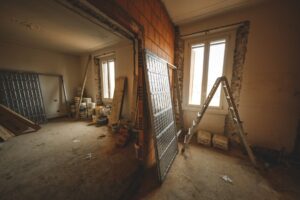
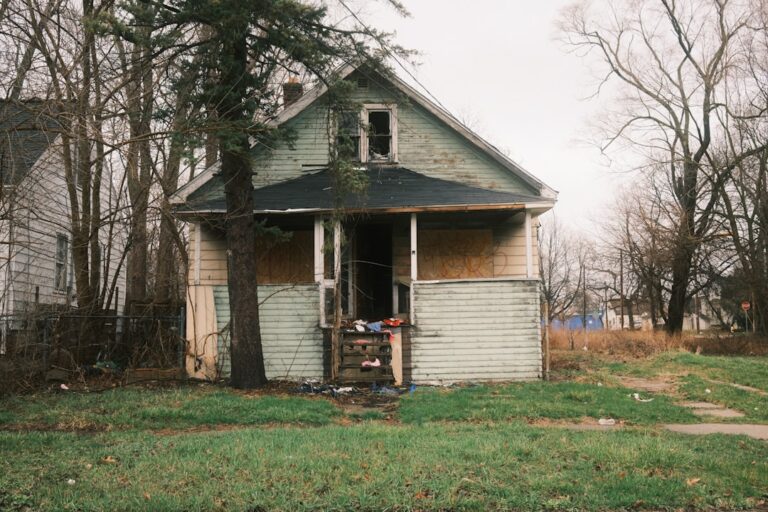
- Thorough Physical Evaluation: In as much as circumstances allow, a physical inspection of the property is paramount. This includes assessing the roof, foundation, plumbing, electrical systems, and HVAC. Many foreclosure properties have been vacant for extended periods or subjected to neglect, leading to significant wear and tear, vandalism, or even stripped components. Hiring professional inspectors can uncover hidden defects that would be very costly to remediate. For auction properties where interior access is limited, an exterior assessment and examination of public records can provide valuable clues.
- Estimating Renovation Costs: A meticulous estimate of potential renovation and repair costs is vital. This provides a realistic picture of the total investment. Obtain quotes from contractors for specific repairs identified during the inspection. Neglecting this step can transform an apparent bargain into a financial quagmire. This estimate should include not only materials and labor but also any necessary permits and unforeseen contingencies.
- Environmental Concerns: Investigating potential environmental hazards, such as lead-based paint, asbestos, mold, or underground storage tanks, is crucial. Remediation of such issues can be prohibitively expensive and carries significant health risks. Local environmental agencies can often provide information on properties with known hazards.
Title Search and Legal Scrutiny
- Uncovering Liens and Encumbrances: A comprehensive title search is indispensable. This process reveals any outstanding liens, unpaid property taxes, judgments, or other encumbrances that could transfer to the new owner. These financial obligations can quickly erase any perceived savings from a low purchase price. Securing title insurance is highly recommended to protect against undiscovered defects in the property’s title.
- Understanding Redemption Rights: In some jurisdictions, foreclosed homeowners retain a “right of redemption” for a specified period after the sale. This allows them to reclaim the property by paying the full amount owed, plus interest and fees. Understanding these local laws is critical to avoid potential legal complications and delays in taking full possession.
- Reviewing Legal Documents: Scrutinize all legal documents associated with the foreclosure. This includes notices of default, auction terms, and any other relevant court filings. Engaging a real estate attorney to review these documents is a prudent step to ensure compliance and understanding of all legal ramifications.
Financing Your Foreclosure Acquisition
The financing landscape for foreclosure properties can differ significantly from traditional home purchases. Prospective buyers must be prepared for varied requirements and innovative funding strategies.
Funding Strategies
- Cash Purchases: For auction properties, cash is often the only accepted form of payment, or a substantial down payment is required immediately with the balance due in a short period. This necessitates a significant amount of liquid capital. Cash offers can also be advantageous in REO sales, as they present a clean, expedited transaction for the lender.
- Conventional Mortgages: For REO properties, conventional mortgages may be available, subject to the property meeting lender-specific criteria. Lenders typically require properties to be in a habitable condition. If a property requires significant repairs, it may not qualify for a traditional mortgage until the renovations are completed, creating a “catch-22” situation.
- Rehabilitation Loans (e.g., FHA 203k): Loans such as the FHA 203k program are designed to finance both the purchase of a property and its renovation costs. These are particularly useful for distressed properties that require substantial work to become habitable. They roll the renovation costs into the primary mortgage, simplifying the financing process for eligible borrowers. However, these loans come with specific requirements regarding contractor bids, inspection schedules, and approved renovations.
- Hard Money Loans and Private Lenders: Investors often utilize hard money loans or private lenders for short-term financing of foreclosure acquisitions and renovations. These loans typically have higher interest rates and shorter repayment periods but can be secured quickly, making them suitable for time-sensitive transactions. Their flexibility can be invaluable, but the higher cost demands a clear exit strategy and accurate project budgeting.
Budgeting for the Unexpected
Even with thorough planning, unforeseen expenses can arise. Experts recommend allocating an additional 10-20% of the estimated renovation costs for contingencies. This financial buffer acts as a safety net, protecting against unexpected repairs, material cost increases, or permit delays. A robust financial plan is not just about securing funds; it’s about anticipating and mitigating risk.
If you’re considering purchasing a foreclosure home, it’s essential to understand the various factors that can affect your investment. One aspect that often gets overlooked is the importance of interior aesthetics, which can significantly enhance the property’s appeal. For insights on how to improve the interior of your new home, you might find this article on the best paint brands for interior walls particularly helpful. Choosing the right paint can transform a space and make it feel more inviting, which is especially important if you plan to resell in the future.
The Transformative Journey: From Blight to Bloom
| Metric | Value | Unit | Notes |
|---|---|---|---|
| Number of Foreclosure Homes | 15,000 | Homes | Estimated nationwide in 2024 |
| Average Time on Market | 90 | Days | Time before foreclosure homes are sold |
| Average Discount from Market Value | 25 | Percent | Typical price reduction compared to non-foreclosure homes |
| Foreclosure Rate | 0.5 | Percent | Percentage of total homes in foreclosure |
| Top State by Foreclosures | Florida | State | Highest number of foreclosure homes in 2024 |
| Average Home Size | 1,800 | Square Feet | Typical size of foreclosure homes |
Acquiring a foreclosure property is not merely a transaction; it is often a journey of transformation. For many, it’s an opportunity to revitalize a neglected asset, breathe new life into a community, and realize significant personal or financial gains.
Adding Value and Contributing to Community Renewal
- Personalized Homeownership: For owner-occupants, a foreclosure property provides a canvas for personalization. The initial lower cost allows for investment in upgrades and finishes that align with individual tastes and needs, fostering a sense of pride and ownership that extends beyond the financial. This becomes more than just a house; it becomes a home tailored to life.
- Community Revitalization: The rehabilitation of a distressed property contributes directly to community renewal. It removes blight, stabilizes property values in the neighborhood, and can attract further investment. This ripple effect benefits not only the individual homeowner or investor but also the broader community, enhancing the overall quality of life.
- Strategic Investment Returns: For investors, the “fix and flip” model, when executed diligently, can yield substantial profits. The ability to purchase low, add value through strategic renovations, and sell high is a cornerstone of real estate investment. Alternatively, holding the property as a rental can provide a steady stream of passive income, further bolstered by the initial below-market acquisition.
The Commitment Required
While the potential for reward is significant, the journey is not without its demands. It requires time, effort, and a willingness to navigate complexities. Whether it’s the personal investment of restoring a home or the calculated risk of an investment project, commitment is the currency of success in the foreclosure market.
In conclusion, the realm of foreclosure properties offers a compelling proposition for those prepared to embark on this specialized path. It is a market that rewards diligence, patience, and a pragmatic approach. By thoroughly understanding the process, meticulously conducting due diligence, strategically planning finances, and appreciating the transformative potential, individuals can unlock substantial value and contribute positively to both their personal portfolios and the communities they inhabit. This is not a shortcut to wealth, but rather a challenging yet potentially rewarding enterprise for the informed and prepared.
FAQs
What is a foreclosure home?
A foreclosure home is a property that has been repossessed by a lender, typically a bank, after the previous owner failed to make mortgage payments. These homes are usually sold at auction or through real estate agents to recover the outstanding loan balance.
How can I buy a foreclosure home?
To buy a foreclosure home, you can attend public auctions, work with real estate agents who specialize in foreclosures, or search listings on websites that feature bank-owned properties. It is important to conduct thorough research and inspections before purchasing.
Are foreclosure homes cheaper than regular homes?
Foreclosure homes are often priced below market value because lenders want to sell them quickly to recoup losses. However, prices can vary depending on the property’s condition, location, and demand.
What are the risks of buying a foreclosure home?
Risks include potential property damage, unpaid taxes or liens, and limited opportunity for inspections before purchase. Buyers should be prepared for possible repairs and legal complexities.
Can I get financing for a foreclosure home?
Yes, financing is possible, but it may be more challenging. Some lenders require a thorough appraisal and may have stricter loan conditions. Cash purchases are common in foreclosure sales, but conventional, FHA, or VA loans can sometimes be used.