NAHB says nearly a quarter of remodelers started an ADU project this year. See 2026 costs (often $150,000+), regional trends, zoning hurdles and how homeowners finance granny flats.
November 5, 2026
Home improvement · Real estate · Life around the house

NAHB says nearly a quarter of remodelers started an ADU project this year. See 2026 costs (often $150,000+), regional trends, zoning hurdles and how homeowners finance granny flats.
 Mai
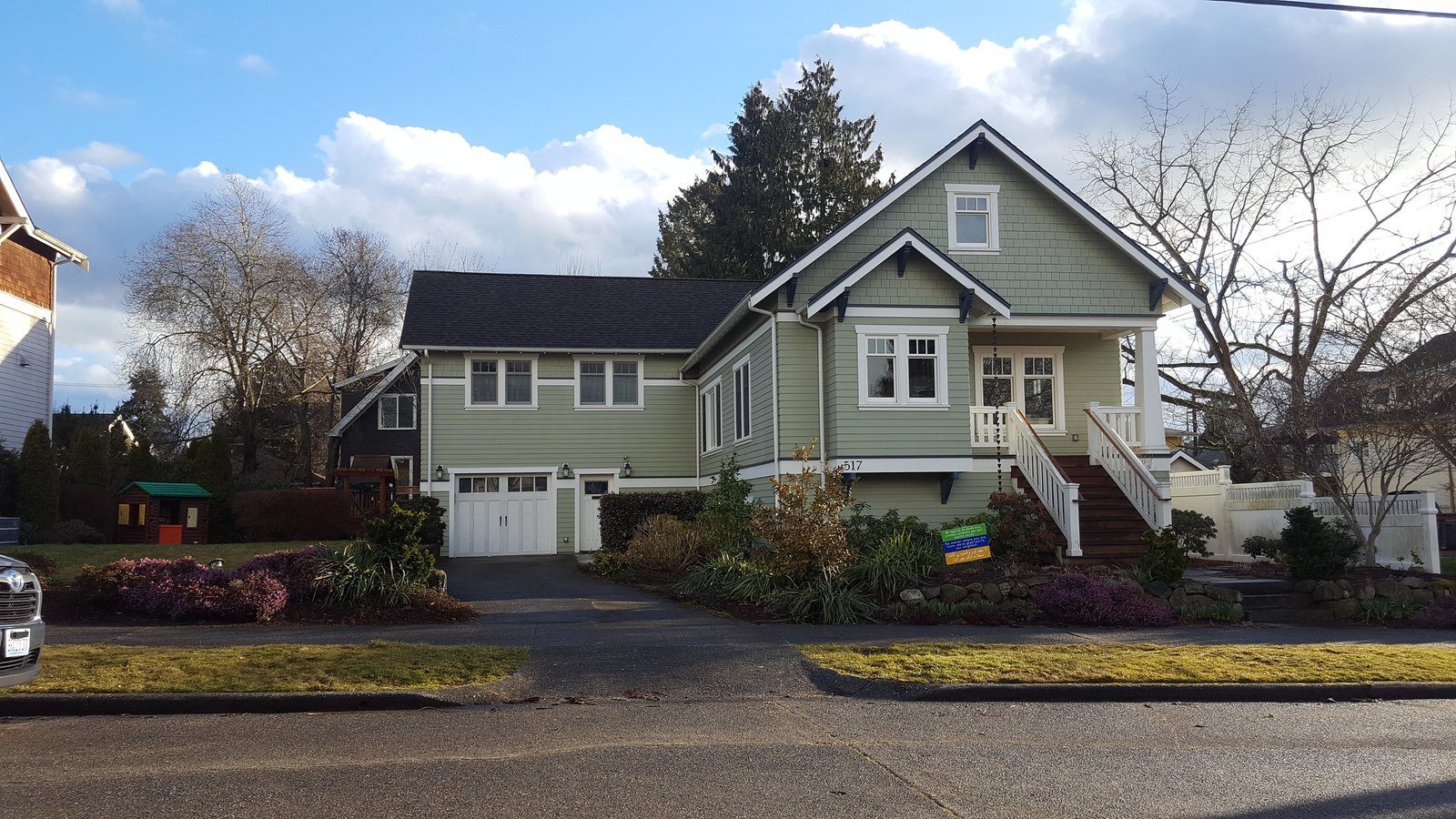
Table of Contents
ToggleNearly one in four U.S. remodelers started an accessory dwelling unit (ADU) project in the past year, according to new data from the National Association of Home Builders. That is a clear jump from 2019 and a signal that backyard cottages, garage conversions and in-law suites are moving from niche idea to mainstream remodel — even as overall remodeling spending softens.
If you have been wondering whether a granny flat, casita or basement suite could work on your lot, here is what the latest survey shows about costs, where ADUs are catching on, the zoning rules that still block many projects, and how homeowners typically pay for them.
In its third-quarter Remodeling Market Index survey, NAHB asked remodelers whether they had started an ADU project in the prior 12 months. About 24% said they were building an addition for use as an ADU, and 23% said they were converting existing space into one. Both shares are up from the last time NAHB asked the question in early 2019.
The Northeast leads the country: at least one-third of remodelers there reported both types of ADU work. The West followed at roughly 27% for each. The Midwest lagged, with fewer than 20% of remodelers starting ADU projects. NAHB ties the regional pattern to state laws that make ADUs easier to build and rent in parts of the Northeast and West.
How do remodelers know a project counts as an ADU? Seventy-one percent pointed to a detached structure, 67% to a separate entrance, and 58% to its own kitchen. Detached builds jumped 28 percentage points since 2019 — the biggest shift in the survey — which lines up with the backyard cottage boom many cities have encouraged.
Costs have climbed fast. NAHB found that 62% of ADU projects now cost $150,000 or more, more than double the 28% share in early 2019. Another 32% fall in the $100,000–$149,999 range. Only about 22% come in under $100,000.
That jump tracks remodeler input costs, which NAHB’s Remodeling Input Price Index says are up more than 51% from Q1 2019 to Q3 2026. A full detached ADU with kitchen, bath and separate utilities is closer to building a small house than finishing a spare bedroom.
Cheaper paths still exist. Converting a garage, basement or attic into a legal suite usually costs less than new construction, though you may still need new plumbing, egress windows, insulation and a separate entrance to meet code. Prefab and modular ADUs can shorten the build timeline, but permitting and site work remain a large share of the budget.
ADUs solve several problems at once. Multigenerational families use them for aging parents or adult children who cannot afford a first home nearby. Others rent them out for extra income. Some owners want a home office, guest suite or caregiver unit without selling and buying again — an especially common instinct while U.S. home prices are falling for the first time in three years and many households still hold low-rate primary mortgages they do not want to give up.
That “lock-in” effect helps explain why ADU interest can rise even when broader remodeling softens. NAHB’s Eye on Housing analysis of Census data showed private residential improvement spending down 13% in September 2026 and 18% year over year — a soft patch after years of renovation demand. ADUs are one of the project types still drawing homeowners who want more living space without moving.
The trend also overlaps with interest in smaller, flexible living. Readers comparing ADUs with stand-alone tiny houses may want our earlier look at the rise of tiny homes; ADUs keep you on the same lot, while tiny homes are often a full downsize or alternate primary residence.
Legal permission is often harder than the construction. As of August 2025, 18 states had passed laws that broadly allow homeowners to build and rent ADUs, with 11 of those laws coming in the prior four years, according to a Mercatus Center brief summarized by NAHB. Even in those states, three “poison pill” rules still kill many projects:
Before you hire a designer, call your planning department (or check the city website) for ADU size limits, setbacks, height caps, utility hookup rules and whether rentals are allowed. Rules vary block by block, and a design that works in one suburb can be illegal two miles away.
Most homeowners do not pay cash. Common options include a cash-out refinance, a home equity loan or HELOC, a renovation mortgage, or a construction-to-permanent loan. Our guide to home equity loans covers one of the more common paths when you have substantial equity and a clear budget.
On the government-backed side, FHA policy lets borrowers count ADU rental income toward qualifying in limited ways: up to 75% of estimated rent for a property that already has an ADU, and up to 50% when you plan to add one under FHA’s Standard 203(k) rehabilitation program, subject to FHA rules on reserves, landlord education and appraisal. Freddie Mac also finances properties with ADUs through its mortgage offerings. Exact eligibility depends on your lender, credit profile and local zoning — treat these as starting points, not a guarantee.
Get at least two contractor bids, confirm whether the quote includes permits and utility connections, and keep a 10–20% contingency for surprises behind walls.
In NAHB’s Q3 2026 remodeler survey, 62% of ADU projects cost $150,000 or more. Simpler conversions can still come in lower, but input costs for remodelers are more than 50% higher than in 2019.
Not exactly. An ADU is a second dwelling on a lot that already has a primary home. A tiny home can be a primary residence, a movable unit or an ADU, depending on local code. Many cities regulate them differently.
Often yes, but only if your city and state allow it and you follow landlord, tax and short-term rental rules. Owner-occupancy requirements in some places limit who can rent which unit.
Usually. Adding living space and kitchen facilities typically increases assessed value. Check with your county assessor for how ADUs are treated locally.
ADUs are no longer a West Coast curiosity. NAHB’s latest remodeler data shows nearly a quarter of firms starting ADU additions or conversions, with costs often above $150,000. If your lot and local rules allow it, an ADU can add housing for family or rental income without giving up a low primary-mortgage rate — but zoning and financing matter as much as the floor plan. Start with your planning department and a clear budget.
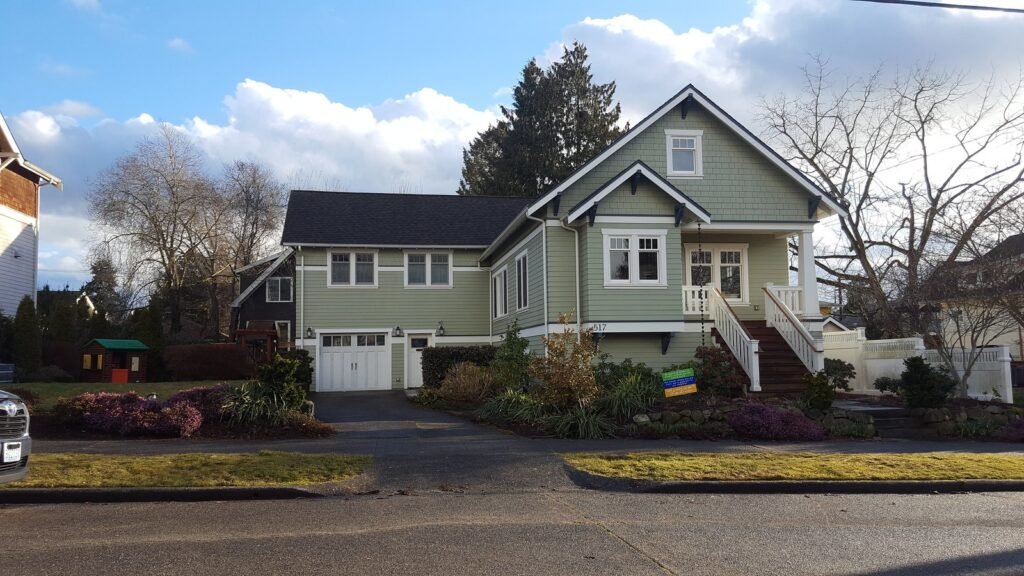
Featured image: Seattle attached secondary suite (ADU). Photo by Sightline Institute: Missing Middle Homes Photo Library, CC BY 4.0, via Wikimedia Commons.

Mai is Candy Bird's go-to writer for everything around the house, from repairs and DIY fixes to smart storage, energy-saving upgrades and buying or selling a home. Her advice is practical, easy to follow and comes with a touch of humor, whether you're a first-time homeowner or a seasoned DIYer.
More from this writer →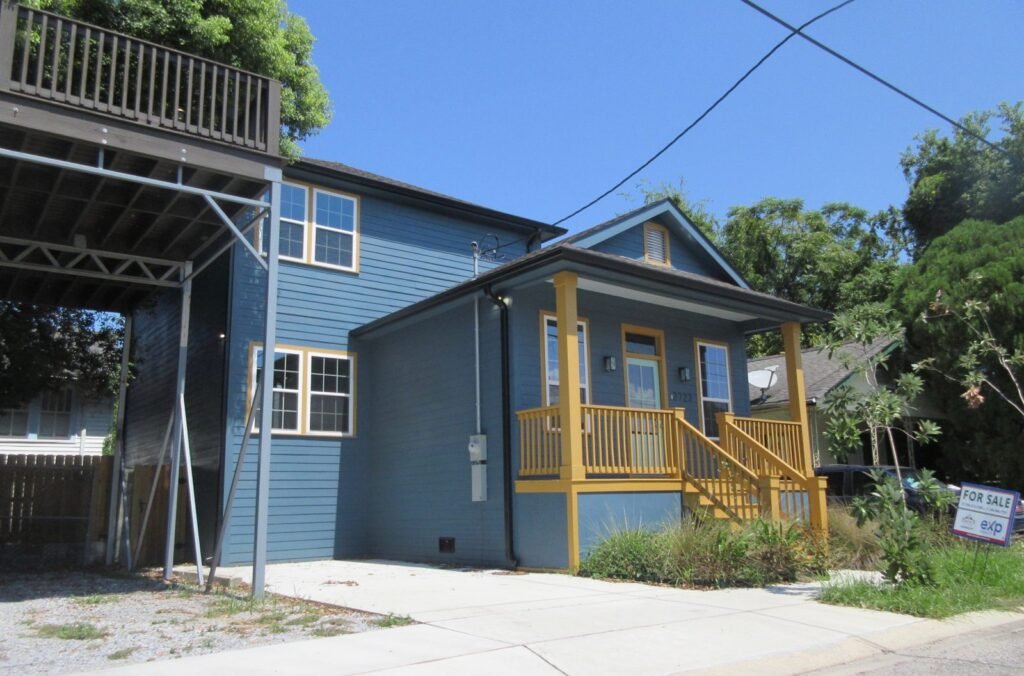
Five minutes, every weekend. Free.

Practical guides for the place you live: fixing it up, decorating it, keeping it running, and buying, selling or renting it.
© 2026 Candy Bird. All rights reserved.
Candy Bird is ad-supported. Our guides are general information, not professional, legal or financial advice: check with a licensed contractor, agent or lender before big decisions.