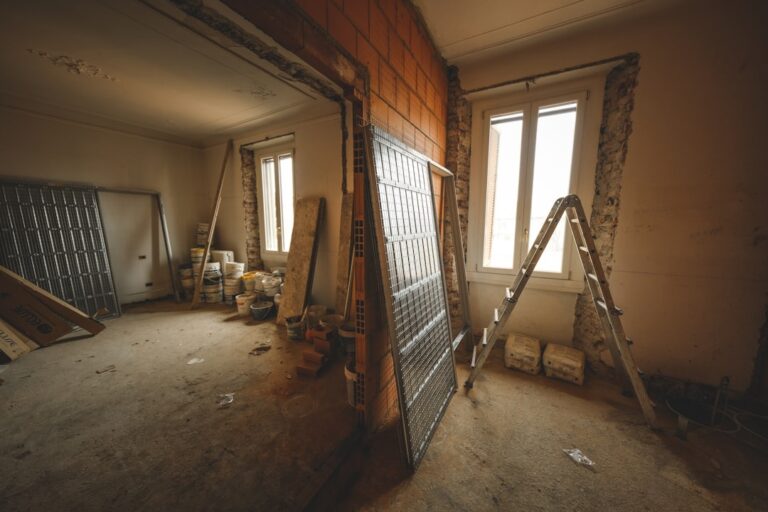
The decision to renovate or simply refresh a space presents a common dilemma for property owners. Both approaches aim to improve an environment, but they differ significantly in scope, cost, and the extent of their impact. Understanding these distinctions is crucial for making an informed choice that aligns with practical needs, financial capabilities, and long-term objectives.
The foundational difference between a renovation and a refresh lies in their scope. A refresh typically involves superficial changes, while a renovation delves into more substantial alterations.
What Constitutes a Refresh?
A refresh focuses on aesthetic and cosmetic updates without altering the underlying structure or functional layout of a space. It’s about enhancing the existing environment rather than fundamentally transforming it.
Cosmetic Enhancements
This category includes activities such as repainting walls, updating light fixtures, and replacing textiles like curtains or throw cushions. These changes can dramatically alter the perception of a room without significant labor or material costs.
Surface-Level Upgrades
Replacing cabinet hardware, regrouting tiles, or sanding and refinishing existing flooring are examples of surface-level upgrades. They improve the appearance and condition of elements without requiring their complete removal or replacement.
Furniture and Decor Changes
Introducing new furniture pieces, art, or decorative accessories falls squarely within the refresh category. These items can redefine the room’s style and ambiance with relative ease.
What Entails a Renovation?
A renovation, conversely, involves more comprehensive changes, often impacting structural integrity, functional layout, or significant system overhauls. It’s a more involved process that typically requires professional expertise and permits.
Structural Modifications
This includes activities like removing or adding walls, altering doorways or windows, or reconfiguring room sizes. Such changes directly affect the building’s framework and require careful planning and execution.
Layout Redesigns
Relocating kitchens or bathrooms, or completely changing the spatial arrangement of rooms, are examples of layout redesigns. These often necessitate extensive plumbing, electrical, and HVAC adjustments.
System Upgrades
Replacing major systems such as plumbing, electrical wiring, or HVAC systems constitutes a renovation. These are critical infrastructure improvements that contribute to the long-term functionality and safety of a property.
Material Replacements
Instead of refinishing, a renovation might involve completely tearing out and replacing old flooring, cabinetry, countertops, or fixtures. This allows for a complete aesthetic reboot and often an upgrade in material quality.
Cost Implications and Budgeting
The financial commitment for a renovation or refresh varies considerably, with renovations almost invariably being more expensive. Accurate budgeting is paramount for both approaches.
Refresh Budget Considerations
Refresh projects are generally more budget-friendly. Their cost primarily stems from materials, with labor largely optional if the property owner undertakes the work themselves.
Material Costs
Paint, new light fixtures, decorative items, and textiles are the primary material expenses. These can range from inexpensive options to more premium selections, allowing for flexibility in spending.
DIY Potential
Many refresh tasks, such as painting, changing hardware, or rearranging furniture, can be accomplished by the property owner, significantly reducing labor costs. This makes refreshes an accessible option for those with limited budgets and some practical skills.
Phased Approach
Due to their lower individual costs, refresh elements can often be implemented in stages, spreading out the financial outlay over time. This phased approach can be beneficial for managing cash flow.
Renovation Budget Considerations
Renovations demand a substantially larger financial outlay due to the complexity of the work, the need for professional labor, and the cost of specialized materials.
Professional Labor
Contractors, architects, electricians, plumbers, and other skilled tradespeople are typically required for renovation projects. Their expertise and labor represent a significant portion of the total cost.
Material and Equipment Costs
Replacing major components like cabinets, countertops, flooring, and appliances involves significant material expenses. Specialized equipment might also be necessary for various tasks.
Permits and Inspections
Many renovation projects require permits from local authorities to ensure compliance with building codes. These permits come with fees, and inspections at various stages add to the administrative burden and cost.
Contingency Fund
It is standard practice to allocate an additional 10-20% of the estimated renovation budget as a contingency fund. This covers unforeseen issues, material price fluctuations, or unexpected discoveries during the demolition phase.
Time Constraints and Project Duration
The timeline for a refresh is typically far shorter than for a renovation, impacting the disruption to daily life.
Refresh Timelines
A refresh can often be completed within days or weeks, minimizing disruption.
Short-Term Impact
Many refresh tasks can be completed over a weekend or a few evenings. Repainting a room, for example, typically takes a couple of days.
Minimal Disruption
Since major systems or structures are not being altered, property owners can usually continue to occupy the space during a refresh, albeit with some temporary inconvenience.
Renovation Timelines
Renovations, by contrast, can span weeks, months, or even longer, depending on the complexity and scale of the project.
Extended Disruption
Large-scale renovations often necessitate vacating the property for the duration of the work, or at least a significant portion of it. This adds the potential cost of temporary accommodation.
Phased Completion
While a refresh can be phased by individual elements, a renovation’s phases are often dictated by the sequential nature of construction (e.g., demolition before framing, plumbing before drywall).
Unforeseen Delays
Renovation projects are susceptible to delays due to supply chain issues, adverse weather, inspection failures, or unexpected structural discoveries, which can prolong the overall timeline.
Impact on Property Value and ROI
Both refreshes and renovations can positively impact property value, but their return on investment (ROI) can differ significantly.
Refresh and Value Enhancement
A refresh primarily enhances the aesthetic appeal, which can make a property more appealing to potential buyers or renters.
Improved Curb Appeal
For exterior refreshes (e.g., new paint, landscaping updates), curb appeal is significantly boosted, creating a positive first impression.
Increased Showing Appeal
Inside, a refreshed interior feels cleaner, more modern, and well-maintained, potentially leading to quicker sales or higher rental yields.
Cost-Effective ROI
While the direct increase in property value might be moderate compared to a full renovation, the low cost of a refresh often translates into a high ROI percentage for the money invested. It’s about maximizing appeal for a minimal outlay.
Renovation and Value Enhancement
Renovations, especially those involving kitchens, bathrooms, or structural improvements, can lead to substantial increases in property value.
Significant Value Additions
Updates to key areas like kitchens and bathrooms are often the strongest drivers of increased property value. Replacing outdated systems also contributes to long-term value.
Modernization and Functionality
A comprehensive renovation brings a property up to current standards of design and functionality, which is a major draw for prospective buyers.
Long-Term Investment
While the initial outlay is higher, a well-executed renovation is a long-term investment that can yield significant returns upon sale, particularly if the renovations address known deficiencies or significantly expand usable space. However, it’s crucial to avoid over-improving for the neighborhood, as this can negatively impact ROI.
Practical Considerations and Decision-Making
| Factors | Renovation | Refresh |
|---|---|---|
| Cost | Higher initial investment | Lower initial investment |
| Scope of Changes | Major structural changes | Surface-level changes |
| Time | Longer project duration | Shorter project duration |
| Disruption | Significant disruption to daily life | Minimal disruption to daily life |
| Return on Investment | Potentially higher ROI | Lower ROI |
Before embarking on either a refresh or a renovation, several practical considerations should guide the decision-making process.
Assessing Current Conditions
A thorough evaluation of the existing space is the first step. This involves identifying what works, what needs minor attention, and what requires fundamental change.
Structural Integrity
Are there issues with the foundation, roof, or load-bearing walls? These are critical renovation areas that a refresh cannot address.
System Functionality
Are the plumbing, electrical, and HVAC systems reliable and up to code? Outdated or failing systems warrant a renovation.
Aesthetic Obsolescence
Is the design simply out of style, or are the materials and finishes worn out and beyond a simple clean or repair? This helps differentiate between refresh-appropriate and renovation-appropriate solutions.
Defining Objectives
Clear objectives help determine the scope of work necessary.
Lifestyle Needs
Is the current layout inconvenient for your lifestyle? Do you need more space, a dedicated home office, or an open-plan living area? Such needs often point towards a renovation.
Resale Value
Is the primary goal to prepare the property for sale, or is it for long-term personal enjoyment? While both can increase value, the type and extent of improvements might differ. For resale, universal appeal and solid ROI are key. For personal enjoyment, individual preferences can take precedence.
Budgetary Constraints
How much capital is available for the project? This is often the most significant limiting factor and can steer the decision towards a refresh if funds are limited.
Professional Consultation
For renovation projects, and even some refresh projects that involve significant expenditure, consulting professionals is advisable.
Architects and Designers
They can offer insight into layout changes, material selections, and overall aesthetic vision, ensuring a cohesive and functional outcome.
Contractors and Tradespeople
Their expertise is invaluable for assessing structural integrity, providing accurate cost estimates, and executing the work safely and efficiently.
Real Estate Agents
For those considering resale, a real estate agent can offer insights into what local buyers are looking for and which improvements yield the best ROI in the current market.
In conclusion, the choice between a renovation and a refresh is not merely a matter of semantics; it is a critical strategic decision with wide-ranging implications for cost, time, disruption, and ultimate property value. A refresh provides a cost-effective way to revitalize a space with cosmetic updates, while a renovation represents a more extensive commitment to structural, functional, and systemic improvements. By carefully assessing current conditions, defining clear objectives, considering budgetary limitations, and seeking professional advice where necessary, property owners can make an informed choice that best serves their immediate needs and long-term aspirations for their property.
FAQs
1. What is the difference between renovation and refresh?
Renovation involves making significant changes to a space, such as structural modifications or replacing major components, while a refresh typically involves cosmetic updates like painting, new fixtures, or furniture rearrangement.
2. When should I consider a renovation?
A renovation is necessary when a space requires major repairs, structural changes, or upgrades to outdated systems such as plumbing or electrical. It is also suitable when the layout or functionality of the space needs to be significantly altered.
3. When is a refresh more appropriate?
A refresh is more appropriate when the existing space is in good condition but needs a facelift. This could include updating the decor, replacing worn-out finishes, or improving the overall aesthetics without the need for major construction.
4. How do I decide between a renovation and a refresh?
Consider the current condition of the space, your budget, and the extent of changes needed. If the space is outdated, damaged, or lacks functionality, a renovation may be necessary. If the space is in good condition but needs a new look, a refresh may be sufficient.
5. What are the cost implications of renovation vs refresh?
Renovations typically involve higher costs due to the need for major construction, material replacements, and labor. Refreshes are generally more cost-effective as they focus on cosmetic updates and minor improvements.