Modular furniture has emerged as a significant trend in interior design, offering a practical solution to the evolving demands of modern living. Its inherent flexibility and adaptability make it particularly well-suited for a variety of spaces, from compact city apartments to larger, multi-functional family homes. This approach to furniture design prioritizes modular components that can be reconfigured, expanded, or contracted to suit changing needs and spatial constraints.
At its foundation, modular furniture is characterized by its system of interconnected, often standardized, units. These units are designed to be assembled and disassembled with relative ease, allowing for a high degree of customization. Unlike traditional, fixed furniture pieces, modular designs do not represent a static arrangement. Instead, they offer a dynamic framework that can be perpetually reshaped.
Versatility as a Defining Feature
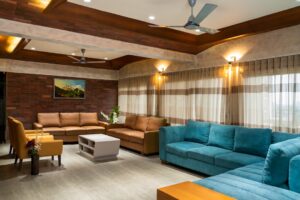
The primary appeal of modular furniture lies in its inherent versatility. A single modular sofa, for instance, might consist of individual seats, armrests, and corner pieces that can be combined in numerous configurations. This allows a user to transform a three-seater sofa into a chaise lounge, a sectional arrangement, or even separate armchairs. This adaptability extends beyond seating to encompass storage solutions, shelving units, and even entire wall systems. The ability to tailor the furniture to the specific dimensions and functional requirements of a space is a key differentiator.
Customization and Personalization
Modular furniture empowers individuals to actively participate in the design of their living spaces. Rather than being confined by pre-determined forms, users can select and combine modules to create pieces that align with their aesthetic preferences and practical needs. This level of personalization is often unattainable with conventional furniture. The choice of fabrics, finishes, and module types allows for a distinctive expression of personal style within the confines of a functional system.
Space Optimization
In an era where living spaces are often at a premium, modular furniture provides an intelligent approach to space optimization. Its ability to be reconfigured means that furniture can be adapted to serve multiple purposes within a single room. A modular desk, for example, might be integrated into a shelving unit when not in use, or a seating unit could be expanded to accommodate guests and then reduced when entertaining is over. This dynamic functionality maximizes the utility of available square footage.
Addressing the Challenges of Contemporary Living
The demands placed upon our living spaces have become increasingly complex. Multifunctional rooms, the rise of remote work, and the desire for adaptable environments all contribute to the need for furniture solutions that can keep pace with these shifts. Modular furniture directly addresses these challenges by providing a framework that is inherently responsive to change.
The Evolution of Home Functions
Modern homes are no longer solely dedicated to a single purpose. A living room might double as a home office, a guest bedroom, or a play area. This blurring of boundaries necessitates furniture that can seamlessly transition between different roles. Modular units can be rearranged to create distinct zones within a room. For example, a low-profile modular shelving unit can separate a living area from a dining space, while also providing storage. When the need arises, these same units can be repositioned to expand a seating arrangement or create a more enclosed study nook.
Adapting to Shifting Household Needs
Household compositions and needs are rarely static. Families grow, children move out, and living situations change. Modular furniture offers a pragmatic solution to these evolutionary cycles. A modular crib, for instance, might later convert into a toddler bed, and then further reconfigure into a daybed or even a desk as the child matures. Similarly, a modular dining set can be expanded with additional chairs and tabletops as the need for larger gatherings arises, or contracted for everyday use. This inherent scalability ensures that investments in furniture remain relevant over extended periods.
The Rise of Remote Work
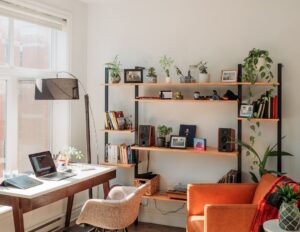
The widespread adoption of remote work has transformed home environments into dynamic workspaces. This often requires dedicated areas for focused work, which can be challenging to accommodate in smaller living spaces. Modular furniture provides a flexible answer. A modular desk can be configured to fit precisely into a corner, or it can be integrated with shelving units to create a complete home office setup. When work is finished, these elements can be partially disassembled or rearranged to reclaim space for leisure activities, preventing the home from feeling permanently dominated by work-related setups.
Design and Aesthetics: Functionality Meets Form
While functionality is paramount, modular furniture has also evolved to embrace a wide range of aesthetic considerations. Designers are increasingly focusing on creating modular systems that are not only practical but also visually appealing and capable of enhancing the overall décor of a space.
Minimalism and Clean Lines
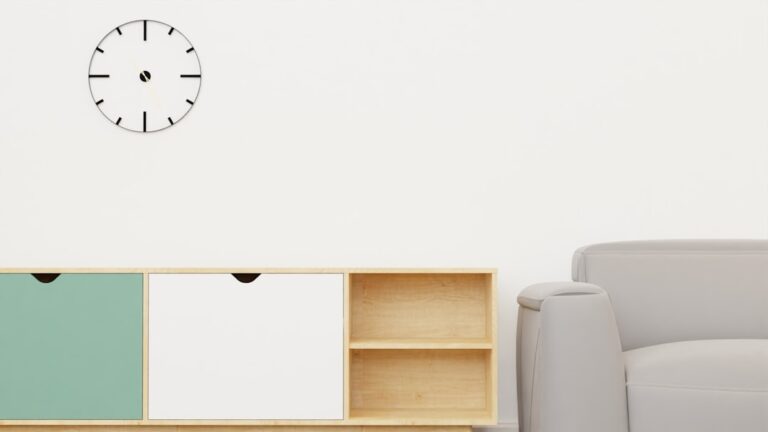
Many contemporary modular furniture designs lean towards minimalist aesthetics. This often involves clean lines, uncluttered forms, and a focus on the inherent beauty of materials. The modular nature of the pieces encourages a streamlined approach to arrangement, which contributes to a sense of order and spaciousness. By avoiding excessive ornamentation, modular furniture can seamlessly integrate into a variety of interior design styles, from Scandinavian to contemporary industrial.
Material Innovation and Durability
The construction of modular furniture relies on materials that can withstand repeated assembly and disassembly while maintaining their structural integrity and aesthetic appeal. Manufacturers often utilize durable woods, metal alloys, high-density foams, and resilient upholstery fabrics. The emphasis on robust construction ensures that modular pieces are not only adaptable but also long-lasting investments. Advancements in material science are also leading to the use of sustainable and recycled materials, aligning modular furniture with environmentally conscious design principles.
Color and Finish Options
The vast array of color and finish options available for modular furniture components further enhances its customization potential. Users can select from a spectrum of neutral tones for a sophisticated look, or opt for vibrant hues to inject personality into their spaces. The ability to mix and match finishes across different modules allows for a nuanced and bespoke visual outcome. For instance, a modular bookshelf might feature a combination of wood and metal components, each finished in a complementary or contrasting color to achieve a desired aesthetic effect.
Practical Considerations for Investing in Modular Furniture
While the benefits of modular furniture are numerous, prospective buyers should also consider several practical aspects before making a purchase. Understanding the system, assembly, and long-term maintenance will ensure a satisfying experience.
Understanding the Modular System
Before committing to a purchase, it is crucial to understand the specific modular system offered by a manufacturer. This involves identifying the types of modules available, their dimensions, and how they connect. Retailers often provide detailed specifications and configurations to assist customers. It is advisable to consider the potential future needs and explore if the system allows for expansion or if components are easily replaceable. Some systems are open-ended, allowing for endless additions, while others might be more confined to specific collections.
Ease of Assembly and Disassembly
A significant advantage of modular furniture is its intended ease of assembly and disassembly. Reputable manufacturers design their products with user-friendly interlocking mechanisms or straightforward fastening systems. However, the complexity can vary. It is advisable to read reviews or, if possible, inspect a demonstration of the assembly process. The ability to reconfigure furniture without specialized tools or extensive DIY knowledge is a key selling point for many consumers.
Scalability and Future Expansion
A major benefit of modular furniture is its inherent scalability. When considering a purchase, it is important to assess the manufacturer’s offerings for future expansion. Can additional modules be purchased later to increase the size or functionality of an existing arrangement? Are there different series or collections that are designed to be compatible? This foresight can prevent a situation where a favored modular system becomes obsolete or unsupported, necessitating a complete replacement.
Maintenance and Care
The materials used in modular furniture will dictate the maintenance and care required. Upholstered modules will need regular cleaning and potential professional treatment, while wooden or metal components may require occasional polishing or sealing. Manufacturers typically provide detailed care instructions for their products. Understanding these requirements beforehand will help in making informed choices about fabric selections and finishes that align with the user’s lifestyle and availability for upkeep.
The Future of Adaptable Living with Modular Furniture
| Metrics | Data |
|---|---|
| Space-saving | Modular furniture can save up to 30% of space in a room |
| Customization | Allows for easy customization to fit different living spaces |
| Flexibility | Can be easily reconfigured to adapt to changing needs |
| Multi-functionality | Many modular furniture pieces serve multiple purposes |
| Portability | Easy to move and transport compared to traditional furniture |
The trajectory of interior design is increasingly leaning towards flexibility and personalization. Modular furniture is poised to play an even more central role in shaping the way we live and interact with our homes. As technology advances and lifestyles continue to evolve, so too will the innovations within the modular furniture sector.
Smart Integration and Technology
The integration of technology into modular furniture is an emerging area of development. This could include built-in charging ports, adjustable lighting, ambient sound systems, or even sensors that adapt environmental controls based on occupancy. Imagine modular seating units that can adjust their firmness or temperature, or modular storage that can automatically organize its contents. The seamless incorporation of technology will further enhance the functionality and personalization of living spaces.
Sustainability as a Driving Force
The growing global emphasis on sustainability will undoubtedly influence the future of modular furniture. Manufacturers are likely to place even greater importance on using eco-friendly materials, designing for disassembly and recyclability, and minimizing waste throughout the production process. Modular designs that are built to last and can be easily updated or repaired rather than replaced contribute to a more environmentally responsible approach to furnishing homes.
Redefining Home Design Principles
Ultimately, modular furniture is more than just a trend; it represents a fundamental shift in how we approach home design. It encourages a mindset that prioritizes adaptability, personalization, and a conscious use of resources. As spaces continue to serve multiple functions and our lifestyles become more dynamic, modular furniture offers a compelling and practical solution, enabling individuals to create living environments that are not static but perpetually evolving to meet their needs.
FAQs
What is modular furniture?
Modular furniture is a type of furniture that is made up of individual pieces or modules that can be combined in different configurations to create various furniture arrangements. This allows for flexibility and customization in living spaces.
What are the benefits of modular furniture?
Modular furniture offers several benefits, including flexibility in design and arrangement, space-saving capabilities, and the ability to adapt to changing needs. It also allows for easy transportation and assembly, making it ideal for modern, flexible living spaces.
How does modular furniture contribute to flexible living spaces?
Modular furniture is designed to be versatile and adaptable, making it well-suited for flexible living spaces. It can be easily reconfigured to accommodate different activities and functions, and it can be scaled to fit various room sizes and layouts.
What are some examples of modular furniture pieces?
Examples of modular furniture pieces include modular sofas, shelving units, storage systems, and tables. These pieces often feature interchangeable components that can be rearranged to create different furniture configurations.
Is modular furniture sustainable?
Modular furniture is often designed with sustainability in mind, as it can be easily disassembled, reconfigured, and repurposed. This can help reduce waste and extend the lifespan of furniture, making it a more sustainable option for modern living spaces.