In contemporary living spaces, the persistent challenge of managing clutter frequently necessitates inventive approaches to organization. Conventional storage solutions, while functional, often fail to capitalize on the unused potential within a home. This article explores an array of secret storage hacks, delving into methodologies that transform overlooked areas into efficient repositories for household items, thereby promoting a more ordered and serene environment.
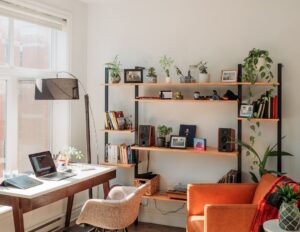
Vertical space in a home often represents an underutilized asset for storage. Beyond conventional shelving units, a multitude of strategies can be employed to leverage this dimension effectively, creating storage where none outwardly appears to exist.
Wall-Mounted Solutions
Wall-mounted storage extends beyond simple shelves to include a variety of fixtures designed for specific items. For instance, magnetic knife strips, commonly found in kitchens, can be repurposed in craft rooms for tools or in garages for smaller metallic items. Similarly, pegboards, with their adaptable system of hooks, baskets, and shelves, offer a customizable solution for frequently used objects in diverse settings, from office supplies to cleaning tools. Behind doors, over-the-door organizers provide discreet pockets for shoes, toiletries, or pantry items, effectively using space that would otherwise remain bare.
Elevated Storage Techniques
The area above eye level is frequently neglected. Creating lofted storage in garages or utility rooms, perhaps by building shelves that span the ceiling, can store seasonal items or less frequently accessed equipment. In bedrooms, beds with integrated drawers or hydraulic lift mechanisms offer substantial hidden storage beneath the mattress, ideal for bedding, clothing, or bulkier items. Similarly, the space above doorways or windows can accommodate shallow shelves for books or decorative items, adding both storage and visual interest.
Suspended Storage Options
Suspended storage capitalizes on the ceiling itself. Ceiling-mounted racks in kitchens, for example, can hold pots and pans, freeing up cabinet space. In laundries, retractable drying racks can be installed, offering a temporary drying solution without occupying floor space when not in use. Garage ceilings can also support bike hoists or overhead shelving units, keeping larger items out of the way and off the floor, thus preserving valuable ground-level square footage.
Exploiting Unconventional Spaces
Beyond the conventional areas of a room, numerous unconventional spaces within a home offer untapped potential for storage. Identifying and optimizing these often-overlooked zones can significantly enhance a home’s organizational capacity.
Under-Stair Storage
The void beneath a staircase is a prime candidate for covert storage integration. Instead of mere cosmetic paneling, this area can be transformed into pull-out drawers, accessible cabinets, or even a small, walk-in closet for coats, shoes, or cleaning supplies. Customized shelving units can also be fitted, tailored to the unique dimensions of the space, providing a dedicated home for books, luggage, or seldom-used appliances.
Kickboard Drawers
The kickboards beneath kitchen cabinets and bathroom vanities, typically serving only an aesthetic purpose, can be converted into shallow drawers. These drawers are particularly suitable for flat items such as serving trays, baking sheets, placemats, or even cleaning cloths. Their low profile makes them ideal for items that would otherwise clutter deeper drawers or take up valuable cabinet space. This modification requires precise joinery but offers a subtle yet effective storage enhancement.
Wall Cavity Solutions
The space within interior walls, typically occupied by studs and insulation, can be harnessed for storage. Recessed shelving units, built into the wall between studs, are ideal for small items like spices in the kitchen, toiletries in the bathroom, or keys and mail in an entryway. This solution provides flush storage that does not protrude into the living space, maintaining a clean aesthetic while adding functional capacity. Accessing these cavities typically involves minor drywall modification, followed by framing and finishing.
Multifunctional Furniture Integration
The careful selection and strategic placement of multifunctional furniture represent a cornerstone of efficient secret storage. These pieces serve dual or even triple purposes, contributing to the aesthetics and comfort of a room while simultaneously concealing storage.
Ottoman Storage
Ottomans, traditionally serving as footrests or casual seating, can be designed with hollow interiors, accessible via a lift-off top or a hinged mechanism. These provide a convenient and discreet location for blankets, pillows, remote controls, magazines, or children’s toys. Their mobility also allows for flexible arrangement within a room, adapting to various social configurations while always maintaining their storage utility.
Coffee Tables with Hidden Compartments
Modern coffee tables frequently incorporate drawers, lift-top sections, or open cubbies. The lift-top variant is particularly useful, as it can transform into a temporary workstation or dining surface, revealing storage underneath for books, board games, or electronic devices. Those with drawers or discreet compartments along their sides offer unobtrusive storage for smaller items, keeping surfaces clear and clutter at bay.
Beds with Integrated Storage
Beyond simple under-bed drawers, contemporary bed frames often feature headboards with built-in shelving, cubbies, or even secret compartments for valuables. Platform beds can be designed with extensive drawer systems around their perimeters, providing significant storage for clothing, linens, or seasonal items, effectively eliminating the need for additional dressers in smaller bedrooms. Some beds also incorporate hydraulic lift mechanisms, revealing a large, accessible storage area beneath the entire mattress platform.
Bathroom and Kitchen Ingenuity
Bathrooms and kitchens, often high-traffic areas with numerous functional demands, present unique challenges and opportunities for secret storage. Ingenious solutions in these rooms can significantly impact overall home organization.
Behind-Mirror Storage
Medicine cabinets offer a familiar example of behind-mirror storage, but the concept can be expanded. Larger mirrors in bathrooms can be hinged to reveal shallow shelving units recessed into the wall, offering space for toiletries, cosmetics, or cleaning supplies. In kitchens, a decorative mirror or piece of art could conceal a shallow cabinet for spices or small utensils, particularly useful in compact kitchens where every inch counts.
Toe-Kick Drawers
Similar to the kickboard drawers explored earlier, the toe-kick space beneath cabinets in both kitchens and bathrooms can be utilized for thin, pull-out storage. These are ideal for storing flat items such as cleaning cloths, spare sponges, pet food bowls, or even a collapsible step stool. The discreet nature of these drawers ensures they blend seamlessly with the existing cabinetry while providing accessible storage for frequently used, smaller items.
Pantry Door Racks
The interior surface of a pantry door is often a wasted expanse. Installing narrow, wall-mounted racks or custom-built shelving on the back of the pantry door creates additional storage for spices, small jars, cleaning products, or snacks. This maximizes the storage capacity of the pantry without taking up valuable shelf space, keeping frequently used items readily accessible and visible.
Crafting Disguised Storage
| Storage Hack | Description |
|---|---|
| Under-Bed Storage | Utilize the space under your bed for storing items such as shoes, seasonal clothing, or extra linens. |
| Vertical Shelving | Maximize wall space by installing vertical shelves to store books, decorative items, or kitchen supplies. |
| Hanging Closet Organizer | Use a hanging organizer to store accessories, small clothing items, or shoes in your closet. |
| Multi-Functional Furniture | Invest in furniture pieces that offer hidden storage compartments, such as ottomans or coffee tables with built-in storage. |
| Command Hooks | Install command hooks on the back of doors or inside cabinets to hang items like keys, bags, or cleaning supplies. |
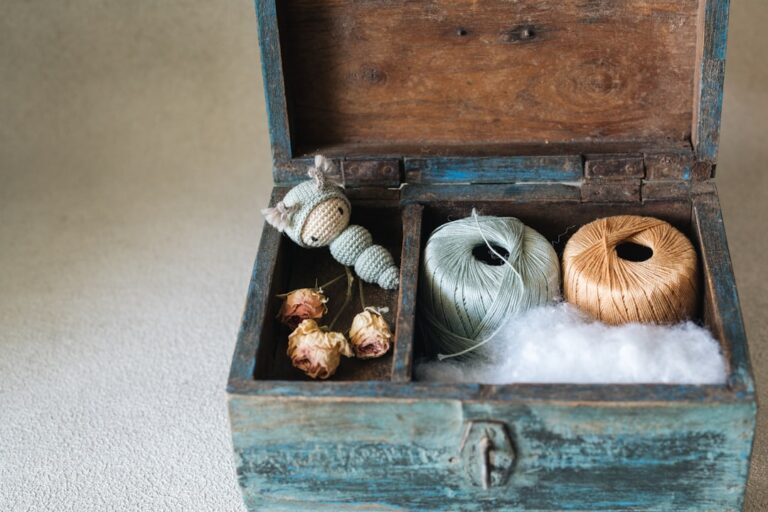
The art of disguised storage involves creating storage solutions that are not immediately apparent, blending seamlessly into the architectural or decorative elements of a room. This approach emphasizes both functionality and aesthetic integration.
False Bottom Drawers
In existing drawer units, a false bottom can be installed. This involves placing a thin sheet of material above the actual bottom of the drawer, creating a hidden compartment underneath. This space is ideal for securing valuables, important documents, or items that require an extra layer of privacy, without sacrificing the primary drawer space.
Built-in Window Seats
Window seats, particularly those with a hinged lid or integrated drawers, offer comfortable seating while concealing significant storage. These are perfect for storing blankets, board games, seasonal decorative items, or children’s toys. When artfully designed, they enhance the aesthetic appeal of a room, providing a cozy nook without revealing their practical storage function.
Library Walls with Secret Compartments
For homes with extensive book collections, a library wall can be designed to incorporate secret compartments. This might involve a section of books that swing open like a door to reveal a hidden room or a series of drawers and cabinets integrated discreetly within the shelving structure. Such solutions offer highly secure storage for sensitive items or simply an element of intrigue within the home.
The implementation of these secret storage hacks requires an evaluation of individual needs, the specific characteristics of one’s living space, and a degree of ingenuity. By meticulously planning and executing these strategies, individuals can transform cluttered environments into spaces that are not only more organized but also more aesthetically pleasing and functional, thereby enhancing the overall living experience without resorting to overt and space-consuming storage units. The emphasis remains on efficiency and the intelligent utilization of every available dimension within the home.
FAQs
What are some hidden storage solutions for clutter-free living?
Some hidden storage solutions for clutter-free living include utilizing under-bed storage, using wall-mounted shelves, incorporating multi-functional furniture, and using storage ottomans or benches.
How can I maximize storage space in a small living area?
To maximize storage space in a small living area, consider using vertical storage solutions, such as tall bookshelves or wall-mounted cabinets. Additionally, utilizing storage containers and organizers can help keep items neatly stored and out of sight.
What are some creative ways to hide clutter in a home?
Some creative ways to hide clutter in a home include using decorative baskets or bins to store items, incorporating furniture with built-in storage, and utilizing hidden storage compartments within existing furniture pieces.
What are some space-saving storage hacks for the kitchen?
Space-saving storage hacks for the kitchen include using magnetic strips to store knives and other metal utensils, installing hooks or racks inside cabinet doors for hanging pots and pans, and using stackable or nesting containers to maximize pantry space.
How can I maintain a clutter-free living space on a daily basis?
To maintain a clutter-free living space on a daily basis, consider implementing a regular decluttering routine, utilizing storage solutions that make it easy to put items away, and being mindful of what items are brought into the home to prevent unnecessary clutter.