The integration of biophilic design principles into residential spaces is gaining traction as homeowners seek environments that foster well-being and a connection with the natural world. Moving beyond mere aesthetics, biophilic design focuses on the innate human need to affiliate with nature, drawing elements and patterns from the natural environment into the built setting. This approach aims to create interiors that are not only visually pleasing but also contribute positively to occupants’ health, productivity, and overall sense of calm. Understanding the core tenets of biophilic design allows individuals to thoughtfully incorporate these elements, transforming their homes into sanctuaries that promote a more harmonious existence.
At its heart, biophilic design posits that humans have an evolved need to connect with the natural world. This connection, often referred to as biophilia, is believed to have provided evolutionary advantages, making us more attuned to our surroundings and better equipped to thrive. In the context of architecture and interior design, biophilic design translates this inherent human inclination into tangible strategies and elements incorporated into the built environment. It is not simply about adding a few potted plants; it involves a much deeper consideration of how our spaces make us feel and how they engage our senses.
The Evolutionary Basis of Our Nature Connection
The scientific underpinnings of biophilia suggest that our affinity for nature is not a learned behavior but is deeply ingrained within our evolutionary history. For millennia, human survival depended on a close relationship with the natural environment. Access to clean water, fertile land, shelter, and food sources, all directly tied to nature, were paramount. As a result, our brains and bodies have evolved to respond positively to natural cues. Studies indicate that exposure to natural elements can reduce stress hormones like cortisol, lower blood pressure, and improve cognitive function. This biological predisposition makes the deliberate inclusion of nature in our homes a rational and beneficial endeavor.
Key Principles of Biophilic Design
Biophilic design is characterized by several core principles that guide its implementation. These principles can be broadly categorized, offering a framework for understanding how to create truly biophilic spaces.
Direct Experience of Nature
This principle emphasizes the direct and sensory engagement with natural elements. It involves bringing actual living organisms or elements that clearly represent them into the home.
Presence of Plants
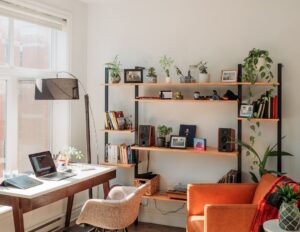
Perhaps the most accessible aspect of biophilic design, the inclusion of plants is fundamental. Beyond mere decoration, plants actively contribute to indoor air quality by filtering certain pollutants and releasing oxygen. Their presence also introduces color, texture, and life, breaking the monotony of synthetic materials.
- Selection of Suitable Species: Choosing plants appropriate for the indoor environment – considering light availability, humidity levels, and the homeowner’s care commitment – is crucial for their survival and aesthetic contribution.
- Variety in Form and Scale: Incorporating a range of plant sizes and forms, from small succulents and trailing vines to larger floor plants and trees, creates visual interest and mimics the diversity found in nature.
- Vertical Gardening and Living Walls: For a more immersive experience, vertical gardens and living walls can transform entire surfaces, maximizing the impact of plant life within a given space and enhancing air purification.
Presence of Water Features
The sound, sight, and even feel of water have a profound calming effect. Incorporating water features, even on a small scale, taps into this primal connection.
- Indoor Fountains and Waterwalls: Small, self-contained fountains or decorative waterwalls can introduce the soothing sound of trickling water, masking disruptive background noise and creating a tranquil ambiance.
- Aquariums and Fish Tanks: The visual stimulation and gentle movement of fish in an aquarium offer a dynamic yet calming focal point, reminiscent of natural aquatic ecosystems.
Natural Light and Ventilation
Maximizing the use of natural light and promoting natural airflow are cornerstones of biophilic design. These elements directly connect indoor spaces to the diurnal rhythms of the day and the outdoor environment.
- Strategic Window Placement and Size: Designing with ample, well-placed windows that allow sunlight to penetrate deep into rooms is paramount. This reduces reliance on artificial lighting and offers views of the outdoors.
- Operable Windows for Cross-Ventilation: Enabling natural ventilation through operable windows facilitates fresh air circulation, improving indoor air quality and creating a more comfortable thermal environment, reducing the need for energy-intensive mechanical systems.
- Light Shelves and Clerestory Windows: Advanced techniques like light shelves and clerestory windows can further enhance natural light penetration, bringing daylight to areas that might otherwise be dark.
Indirect Experience of Nature
This category encompasses the use of materials, colors, shapes, and patterns that mimic or evoke evoke the natural world, even in the absence of direct natural elements. This provides a conceptual connection to nature.
Natural Materials
The tactile and visual qualities of natural materials offer a grounding and authentic experience. Their inherent irregularities and organic textures contribute to a sense of comfort and familiarity.
- Wood Accents and Furniture: Utilizing wood, whether in flooring, furniture, cabinetry, or decorative elements, brings warmth, texture, and the visual appeal of natural grain patterns.
- Stone Elements: Incorporating natural stone in countertops, flooring, or decorative features provides a sense of permanence, earthiness, and visual interest.
- Natural Fibers: Employing textiles made from cotton, linen, wool, or bamboo in upholstery, rugs, and draperies adds to the tactile richness and organic feel of a space.
Naturalistic Colors and Patterns
The palette and motifs found in nature can profoundly influence the mood and atmosphere of an interior.
- Earthy Color Palettes: Employing colors inspired by landscapes – greens, blues, browns, grays, and muted earth tones – can foster a sense of calm and connection to the environment.
- Biomorphic Forms and Patterns: Incorporating shapes and patterns that are common in nature, such as curves, organic lines, and motifs resembling leaves, flowers, or branching structures, can create a visually engaging and harmonious space. This can be achieved through wallpaper, textiles, or even the architectural detailing.
Evoking Natural Systems
This principle focuses on creating a sense of order, complexity, and interconnectedness that mirrors natural systems.
- Fractal Patterns: The repetition of similar patterns at different scales, known as fractals, are prevalent in nature (e.g., branching trees, coastlines). Mimicking these patterns in design can subtly engage our visual perception in a way that feels familiar and pleasing.
- Prospect and Refuge: Biophilic design often considers the human need for both “prospect” (a clear view of the surroundings) and “refuge” (a safe, enclosed space). This can be achieved through spatial arrangement, creating areas that offer both openness and a sense of security.
The Benefits of Biophilic Design in the Home
The integration of biophilic design principles in residential settings yields a range of tangible benefits that contribute to a healthier and more enjoyable living experience. These benefits are not solely subjective; many are supported by research and empirical observation.
Enhanced Well-being and Reduced Stress
Exposure to natural elements has been consistently linked to improved mental and emotional states.
- Stress Reduction: Studies have shown that spending time in environments rich with natural elements can lower levels of cortisol, a primary stress hormone. The presence of plants and water features, in particular, are noted for their stress-mitigating effects.
- Improved Mood: Natural light and views of nature are associated with increased feelings of happiness and reduced symptoms of depression. The vibrant colors and organic forms of the natural world can uplift spirits.
- Cognitive Restoration: The restorative qualities of nature help combat mental fatigue. Spending time in biophilic environments can improve attention span and cognitive function, allowing for greater mental clarity and focus.
Improved Physical Health
The positive impacts of biophilic design extend beyond mental well-being to encompass physiological health benefits.
- Better Air Quality: Plants, as mentioned, actively filter indoor air pollutants, contributing to a healthier breathing environment. Furthermore, natural ventilation reduces the build-up of airborne contaminants.
- Enhanced Sleep Quality: Exposure to natural light cycles helps regulate the body’s circadian rhythm, promoting more consistent and restful sleep. Reducing artificial light exposure, especially blue light in the evening, further supports this.
- Increased Physical Activity: While not a direct mandate, homes designed with natural elements and connections to the outdoors can subtly encourage more movement and engagement with the environment, such as tending to plants or spending time in a garden or on a balcony.
Increased Productivity and Creativity
For those who work from home or engage in creative pursuits, biophilic design can foster a more conducive environment.
- Boosted Concentration: Natural light and views of nature have been shown to improve focus and reduce errors in tasks requiring attention.
- Stimulated Creativity: The organic forms and sensory richness of biophilic elements can inspire new ideas and foster a more imaginative mindset.
- Reduced Absenteeism: In a broader context, workplaces with biophilic elements have reported lower rates of employee absenteeism, suggesting a link between nature connection and overall health and engagement. While not directly applicable to home life in the same way, the principle of enhanced well-being contributing to better functioning remains relevant.
Creating Biophilic Spaces: Practical Strategies for Homes
Translating the principles of biophilic design into a residential context requires thoughtful planning and a conscious effort to integrate nature-inspired elements. The approach can range from subtle enhancements to more comprehensive renovations, allowing for flexibility based on individual needs, preferences, and resources.
Maximizing Natural Light and Views
The most direct and impactful way to establish a connection with nature is through the strategic use of natural light and by framing views of the outdoors.
Window Design and Placement
- Prioritize Ample Window Area: When possible, orient rooms to maximize exposure to natural light throughout the day. Consider the sun’s path and where sunlight will be most beneficial.
- Frame Outdoor Vistas: Design windows to offer clear and engaging views of gardens, trees, water, or even the sky. These views act as living artwork and a constant connection to the external environment.
- Consider Window Style: Large picture windows, bay windows, and corner windows can enhance the sense of openness and connection to the surroundings.
Light Management Techniques
- Light Shelves: These architectural elements reflect sunlight deeper into a room, illuminating spaces that might otherwise be shadowed.
- Clerestory Windows: Placed high on a wall, these windows allow light to enter a room without compromising privacy and can create a diffused, soft illumination.
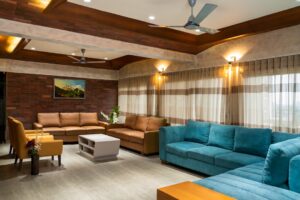
- Appropriate Treatments: While maximizing light is key, consider the need for control. Light-filtering sheer curtains can diffuse harsh sunlight, offering a soft glow while still allowing light penetration.
Incorporating Living Elements
The introduction of plants and other living organisms brings vitality and a tangible connection to the natural world into the home.
Strategic Plant Placement
- Varying Heights and Sizes: Place plants in clusters or individually, using a range of heights and sizes to create visual interest and mimic natural growth patterns.
- Corner and Edge Planting: Utilize corners and edges of rooms to introduce larger plants, creating a sense of enclosure and grounding.
- Hanging Plants and Terrariums: These options are ideal for smaller spaces or for adding layers of greenery at different levels.
Maintaining Healthy Plants
- Understanding Light and Water Needs: Research the specific requirements of each plant to ensure their survival and optimal growth. Adequate light and appropriate watering are fundamental.
- Regular Care and Maintenance: Dedicate time for watering, pruning, and fertilizing to keep plants healthy and vibrant, which directly impacts their aesthetic and environmental benefits.
- Soil Health: Using good quality potting mix and replenishing nutrients ensures plants have the best chance to thrive.
Water Features in Interior Design
- Tabletop Fountains: Compact and easy to maintain, these can be placed on shelves, tables, or desks to provide a gentle auditory and visual element.
- Wall-Mounted Water Features: These can create a striking visual statement and a consistent soothing sound, transforming a blank wall into a dynamic focal point.
- Aquariums: More involved but highly rewarding, aquariums offer a long-term visual immersion into an aquatic environment, bringing movement and life.
Utilizing Natural Materials and Textures
The tactile and visual qualities of natural materials contribute significantly to a biophilic atmosphere, offering warmth, depth, and a sense of authenticity.
Wood as a Primary Material
- Flooring: Natural wood flooring is a classic choice, bringing warmth and organic patterns into any room.
- Furniture: Solid wood furniture pieces offer durability, beauty, and a connection to the earth.
- Wall Paneling and Accents: Using wood for accent walls, ceiling beams, or built-in shelving can introduce natural texture and visual interest.
Stone and Other Earthy Materials
- Countertops: Natural stone like granite, marble, or quartz offers durability and a unique aesthetic.
- Flooring: Stone tiles can provide a cool, grounding effect, particularly in areas like kitchens and bathrooms.
- Decorative Elements: Incorporating stone in fireplace surrounds, tabletops, or decorative objects adds a touch of raw, natural beauty.
Natural Fiber Textiles
- Upholstery: Cotton, linen, and wool fabrics for sofas, chairs, and cushions offer a soft, breathable, and aesthetically pleasing touch.
- Rugs and Throws: Natural fiber rugs can define spaces and add warmth and texture underfoot, while throws provide comfort and a tactile connection.
- Draperies: Linen or cotton draperies can soften light and contribute to a natural, airy feel.
Integrating Biomorphic Forms and Patterns
Mimicking the shapes and patterns found in nature can subtly enhance the biophilic quality of a space, creating a more harmonious and visually engaging environment.
Organic Shapes in Furniture and Decor
- Curved Furniture: Opting for furniture with softened edges or flowing lines, rather than sharp angles, can evoke natural forms.
- Sculptural Elements: Incorporating decorative items with organic shapes, inspired by leaves, shells, or natural formations, adds an artistic biophilic touch.
- Plant-Inspired Motifs: Look for patterns on fabrics, wallpapers, or artwork that feature leaves, flowers, or branching designs.
Architectural Details and Spatial Organization
- Arches and Rounded Corners: Incorporating curved architectural details can create a softer, more natural flow within the house.
- Varied Ceiling Heights: Mimicking the varying heights found in natural landscapes can add visual interest and a sense of dynamic space.
- Prospect and Refuge Configurations: Design seating arrangements or living areas that offer both a sense of openness and clear views (“prospect”) while also providing a feeling of enclosure and security (“refuge”). For example, a comfortable armchair positioned near a window with a view, but slightly tucked away.
Considerations and Challenges in Biophilic Home Design
While the benefits of biophilic design are compelling, its implementation presents certain considerations and potential challenges that homeowners should be aware of. Addressing these proactively can lead to a more successful and sustainable integration of natural elements into the home.
Maintenance and Longevity of Natural Elements
The visual appeal and health benefits of living elements are directly tied to their upkeep.
Plant Care Demands
- Time Commitment: Living plants require regular watering, pruning, fertilizing, and occasional repotting. This necessitates a conscious allocation of time for maintenance.
- Pest and Disease Control: Like any living organism, plants can be susceptible to pests and diseases. Vigilance and appropriate treatment are necessary to maintain their health.
- Seasonal Changes: Some plants may experience seasonal dormancy or shedding, which can alter their appearance and require adjustments in care.
Water Feature Maintenance
- Cleaning and Water Quality: Water features require regular cleaning to prevent algae growth and maintain water clarity. Water filtration systems may be necessary for larger installations.
- Water Refilling: Evaporation will necessitate periodic refilling of water features, especially in dry climates or with exposed water surfaces.
- Potential for Mold and Mildew: In humid environments, standing water and moisture can contribute to the growth of mold and mildew if not properly ventilated and maintained.
Cost and Resource Implications
The initial investment and ongoing costs associated with biophilic design can be a factor for many homeowners.
- Material Costs: Natural, sustainably sourced materials can sometimes be more expensive than synthetic alternatives. High-quality wood, stone, and natural fiber textiles can represent a significant upfront investment.
- Installation Complexity: Features like living walls, custom water features, or large window installations may require specialized labor and can add to project costs.
- Ongoing Expenses: Besides maintenance, consider the cost of electricity for pumps in water features, or the potential for replacement of plants that do not thrive.
Space Limitations and Adaptability
Not all homes are ideally suited for extensive biophilic interventions without significant renovation.
- Limited Natural Light: Homes with small windows or a north-facing orientation may struggle to maximize natural light, requiring creative solutions or a greater reliance on indirect biophilic strategies.
- Compact Living Spaces: In apartments or smaller homes, integrating large plants or water features may present space constraints. Careful selection and multi-functional biophilic elements become important.
- Renovation Requirements: For significant transformations, such as adding larger windows or creating dedicated green spaces, structural renovations may be necessary, entailing additional costs and planning.
The Importance of Authenticity Over Superficiality
A truly biophilic home goes beyond simply placing a few decorative elements. It involves a deeper understanding and application of the principles.
- Avoiding “Greenwashing”: Beware of designs that superficially incorporate “nature” without genuinely engaging with the core principles of biophilia. A plastic plant with a wooden pot is not biophilic design.
- Focus on Sensory Experience: Biophilic design engages multiple senses. Consider the feel of materials, the scent of plants, the sound of water, and the visual connection to the outdoors.
- Long-Term Integration: Biophilic design is most effective when integrated thoughtfully into the overall architectural and interior design scheme, rather than being an afterthought.
The Future of Biophilic Homes
As awareness of the profound impact of our environments on our well-being continues to grow, biophilic design is poised to become an increasingly integral aspect of residential architecture and interior design. The focus is shifting from merely creating aesthetically pleasing spaces to designing environments that actively support human health, happiness, and a sustainable coexistence with the natural world.
Growing Research and Awareness
Ongoing scientific research continues to provide robust evidence for the benefits of biophilic design. This growing body of knowledge empowers designers and homeowners to make informed decisions, moving beyond anecdotal observations to evidence-based practices. Public discourse and media coverage are also increasing, fostering greater awareness and demand for these nature-integrated living spaces.
Technological Advancements and Sustainable Solutions
Innovation in building technologies and materials is opening up new possibilities for implementing biophilic design.
- Smart Home Integration: Automated systems can optimize natural light exposure throughout the day, manage plant irrigation, and control the operation of ventilation systems, enhancing both convenience and the effectiveness of biophilic elements.
- Advanced Materials: The development of more sustainable and performance-enhancing building materials, such as advanced glazing that maximizes light while minimizing heat gain, or biocomposite materials, can further support biophilic principles.
- Vertical Farming and Indoor Agriculture: As these technologies become more accessible, they offer not only decorative plant life but also the potential for in-home food production, deepening the connection to natural cycles.
Biophilic Design as Standard Practice
It is likely that biophilic design principles will transition from being a specialized approach to becoming a fundamental consideration in residential building and renovation. As building codes and consumer expectations evolve, the integration of nature will be recognized not as a luxury, but as an essential component of healthy and sustainable living. This shift will foster the creation of homes that are not only shelters but nurturing ecosystems that support the physical and mental well-being of their occupants. The aim is to move towards a future where our homes inherently contribute to our health and our connection to the wider natural world.
FAQs
What is biophilic design?
Biophilic design is an approach to architecture and interior design that seeks to connect people with nature by incorporating natural elements, materials, and views into the built environment.
What are the benefits of biophilic design in the home?
Biophilic design in the home has been shown to reduce stress, improve cognitive function, enhance creativity, and promote overall well-being. It can also improve air quality and energy efficiency.
How can biophilic design be incorporated into the home?
Biophilic design can be incorporated into the home through the use of natural materials such as wood and stone, the inclusion of plants and greenery, maximizing natural light, and creating views of nature from within the home.
Are there specific elements of biophilic design that can be added to any home?
Yes, there are several elements of biophilic design that can be added to any home, including indoor plants, natural materials, water features, natural light, and views of nature.
What are some examples of biophilic design in the home?
Examples of biophilic design in the home include living walls, indoor gardens, large windows with views of nature, natural wood furniture, and natural stone accents.