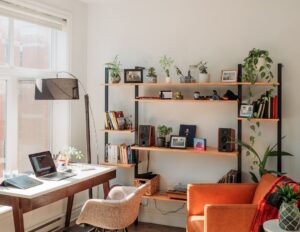
The contemporary design landscape is observing a notable shift towards principles emphasizing comfort and warmth. After a period dominated by stark minimalism, sharp lines, and industrial aesthetics, a discernible movement back to more inviting and user-centric environments has emerged. This resurgence, often termed “cozy design,” is not merely a superficial trend but reflects a deeper societal need for sanctuary and well-being within personal spaces. Architects and interior designers are increasingly incorporating elements that foster a sense of ease, security, and personal connection, moving away from purely aesthetic and often impractical design doctrines of the past.
The concept of a home as a sanctuary is not new; however, its interpretation evolves with societal dynamics. Historical periods, from the ornate Victorian parlors designed for intimate gatherings to the functional Modernist homes responding to post-war industrialization, each reflect prevailing social values and technological advancements. The current iteration of cozy design is particularly responsive to the demands of modern life.
From Open-Plan to Defined Zones
Several decades ago, open-plan living gained significant traction. Proponents lauded its ability to foster family interaction and create an expansive feel, especially in smaller dwellings. However, prolonged exposure to such layouts has revealed certain drawbacks. The lack of acoustic separation can lead to difficulties in concentration, while the absence of visual barriers can diminish individual privacy.
The contemporary cozy approach re-evaluates the ubiquitous open-plan. Rather than complete segregation, it advocates for intelligently defined zones within larger spaces. This might involve the strategic placement of furniture, the use of large area rugs to delineate areas, or the incorporation of design elements like half-walls or screens. These architectural interventions facilitate both connection and individual retreat, offering flexibility that purely open or purely segmented layouts often miss.
The Influence of Digital Overload
The pervasive nature of digital technology means individuals are constantly connected and exposed to external stimuli. The home, for many, becomes a vital buffer against this constant barrage of information and demands. Cozy design directly addresses this need by fostering environments conducive to relaxation and disengagement from the digital realm.
This takes various forms, from dedicated reading nooks devoid of screens to bedrooms designed as serene havens, minimizing technological distractions. The focus shifts towards tactile experiences and analog comforts, such as physical books, board games, or crafting supplies, which offer a counterpoint to screen-based activities.
Materiality and Sensory Engagement
A cornerstone of cozy design lies in its deliberate choice of materials and the emphasis on sensory engagement. This goes beyond purely visual appeal, delving into how a space feels, sounds, and even smells.
The Tactile Renaissance
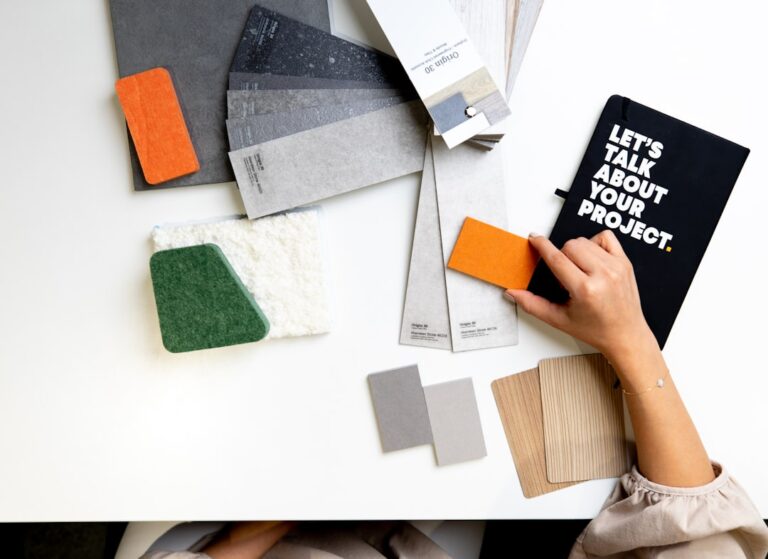
Hard, reflective surfaces, while visually appealing in minimalist contexts, often lend themselves to an uninviting, sterile atmosphere. Cozy design prioritizes materials known for their warmth and softness. Textiles play a crucial role, with an emphasis on natural fibers such as wool, cotton, linen, and cashmere. These are integrated through plush rugs, throws, cushions, and upholstered furniture.
Beyond textiles, wood remains a perennial favorite due to its natural warmth, varied grain patterns, and inherent durability. Reclaimed wood, with its visible history and imperfections, further enhances the sense of authenticity and character. Other tactile materials include ceramic, terracotta, and even handcrafted plaster finishes that add texture and depth to walls. The objective is to create an environment that invites touch and provides a comforting sensory experience.
Layering for Depth and Warmth
Layering is a fundamental technique in achieving a cozy aesthetic. This applies not only to textiles but also to lighting, textures, and even artwork. Multiple layers of soft furnishings, such as a thick rug underneath a sofa adorned with patterned cushions and a knitted throw, create visual interest and add depth.
Lighting is another area where layering is paramount. Instead of relying on a single overhead light source, cozy spaces incorporate various light fixtures at different heights and intensities. Task lighting for reading, ambient lighting for general illumination, and accent lighting to highlight features all contribute to a nuanced and inviting glow. Dimmers are almost essential for adjusting the mood and intensity of light throughout the day and evening.
The Psychology of Warm Tones and Natural Light
Color and light are powerful tools in shaping perception and mood within an interior. Cozy design capitalizes on these elements to create a sense of calm and well-being.
Embracing Earthy Palettes
While stark whites and cool grays dominated modern aesthetics for a period, a move towards warmer, earthier color palettes is now evident. These include creamy whites, muted beiges, soft browns, gentle greens, and terracotta hues. These colors are inherently soothing and reminiscent of natural environments, drawing a connection to the outdoors.
These palettes are often combined with deeper accent colors, such as a rich burgundy or deep forest green, to add depth and sophistication without overpowering the overall sense of calm. The aim is to create an environment that feels grounded and nurturing, avoiding overly saturated or stimulating colors that can lead to restlessness.
Maximizing Natural Light
Natural light significantly impacts mood and perception of space. Cozy design prioritizes maximizing natural light where possible, utilizing sheer curtains or blinds that diffuse light rather than block it entirely. South-facing windows are particularly valued, but even north-facing rooms can feel brighter with strategic mirror placement to reflect light.
The deliberate integration of natural light helps connect the interior to the external environment, fostering a sense of temporal awareness and alleviating the feeling of being closed off. When natural light is limited, artificial lighting is selected to mimic its qualities, favoring warmer color temperatures over cool, blue-toned illumination.
Functionality Blended with Personal Expression
Beyond aesthetic considerations, cozy design intrinsically links functionality with the opportunity for personal expression. A comfortable space is also one that works efficiently for its inhabitants and reflects their individuality.
Furnishings Designed for Comfort and Utility
The choice of furniture in cozy design moves away from purely sculptural or minimalist pieces that prioritize form over function. Instead, upholstered furniture with generous proportions, deep seats, and soft cushions becomes central. Sofas and armchairs are selected not just for their appearance but for their inviting qualities, encouraging relaxation and prolonged use.
Storage solutions are equally important. Clutter can detract from a sense of calm and order, so integrated shelving, hidden compartments, and stylish baskets are utilized to maintain organization without sacrificing aesthetic appeal. Each piece of furniture is chosen with both its practical purpose and its contribution to the overall comfortable atmosphere in mind.
The Role of Curated Objects
Cozy interiors are rarely sparse. They frequently incorporate a carefully curated selection of objects that reflect the inhabitants’ histories, travels, and interests. These might include artisan ceramics, vintage finds, framed photographs, or collected artworks. The distinction lies in the curation – these objects are not mere dust collectors but items that hold meaning and contribute to the narrative of the home.
Plants also play a significant role. Beyond their air-purifying qualities, indoor plants add life, texture, and a touch of the natural world to an interior, contributing to the overall sense of well-being. The inclusion of personal and natural elements helps humanize a space, making it feel lived-in and deeply personal, rather than a generic showroom.
The Long-Term Appeal of Enduring Comfort
| Metrics | Data |
|---|---|
| Increased Sales | 20% rise in sales of cozy home decor items |
| Online Searches | 50% increase in online searches for “cozy home design” |
| Social Media Mentions | Over 100,000 mentions of #cozyhome on social media platforms |
| Interior Design Trends | Cozy design elements such as soft textures and warm colors are dominating interior design trends |
The trend towards cozy design is unlikely to be a fleeting phenomenon. Its roots lie in fundamental human needs for security, comfort, and personalization. As technological advancements continue to accelerate and external pressures increase, the home will likely retain its crucial role as a refuge.
Sustainability and Mindful Consumption
The cozy design movement aligns well with growing interests in sustainability and mindful consumption. The emphasis on natural materials, quality craftsmanship, and timeless design inherently promotes longevity. Investing in well-made furniture, heirloom pieces, and artisanal crafts reduces the need for frequent replacements, thus minimizing waste and fostering a more sustainable approach to interior decorating.
This also relates to a growing appreciation for authenticity over mass production. Objects with a story, made by hand, or sourced with care, often carry an intrinsic warmth and character that factory-produced items lack. This focus on enduring quality and thoughtful acquisition contributes to the long-term appeal and sustainability of cozy design principles.
Promoting Mental Well-being
Perhaps the most significant long-term benefit of comfort-first design is its positive impact on mental well-being. A home that feels safe, nurturing, and personal can significantly reduce stress, promote relaxation, and foster a sense of belonging. In a world characterized by increasing complexity and uncertainty, the ability to retreat to a comfortable and aesthetically pleasing sanctuary is invaluable.
The intentional creation of such environments can support various activities that contribute to mental health, from quiet contemplation and creative pursuits to quality time with loved ones. It is a design philosophy that prioritizes the human experience, aiming to create spaces that not only look good but also genuinely contribute to a better quality of life for those who inhabit them. The return of cozy design, therefore, is not just a trend in aesthetics, but a response to deep-seated human needs in a rapidly changing world.
FAQs
What is comfort-first design?
Comfort-first design is an approach to interior design that prioritizes comfort and coziness over other aesthetic considerations. It focuses on creating spaces that are inviting, warm, and conducive to relaxation and well-being.
Why is comfort-first design trending again?
Comfort-first design is trending again due to a shift in priorities brought on by the COVID-19 pandemic. With more people spending time at home, there is a greater emphasis on creating spaces that are comfortable, nurturing, and calming.
What are some key elements of comfort-first design?
Key elements of comfort-first design include soft and plush furnishings, warm and inviting color palettes, natural materials, cozy lighting, and a focus on functionality and practicality.
How can I incorporate comfort-first design into my home?
You can incorporate comfort-first design into your home by choosing comfortable and inviting furniture, adding soft textiles like throw blankets and pillows, using warm and soothing colors, and creating cozy nooks for relaxation.
What are the benefits of comfort-first design?
The benefits of comfort-first design include creating a welcoming and nurturing environment, promoting relaxation and well-being, and fostering a sense of coziness and contentment in the home.