NOAA’s 2026-27 winter outlook favors a wetter, stormier season across the South and East Coast as a strong El Niño takes hold. Here’s what it means for your home and 9 steps to prepare, from flood insurance to sump pumps.
November 12, 2026


 Mai
A strong El Niño is shaping this winter, and for many homeowners that means more rain, more storms and a higher risk of flooding and power outages. NOAA’s 2026-27 U.S. Winter Outlook favors wetter-than-average conditions from California across the South to Florida and up the East Coast between December and February, while much of the northern U.S. leans warmer than usual. A forecast like that doesn’t tell you when or where any single storm will hit, but it does tilt the odds. The good news is that most of the steps that protect a house from a stormy winter are cheap, and the ones that take the longest, like buying flood insurance, are worth starting this month.
El Niño is an ocean pattern, not a storm. Part of the equatorial Pacific runs warmer than usual, which shifts the jet stream and the paths storms take. The City of Fontana, California, notes on its El Niño preparedness page that forecasters expect this winter’s El Niño to be among the strongest measured since records began in 1950.
Here’s what NOAA’s outlook, released Oct. 15, says for December 2026 through February 2027:
“A very strong El Nino will likely bring a southward and eastward shift to the jet stream for the contiguous U.S., which tilts the odds toward stormier weather across the South,” National Weather Service director Ken Graham said in the release. He also warned that “too much precipitation on dry soil can fuel destructive flash floods and mudslides.” NOAA’s next three-month update is due Nov. 19.
In Southern California, the worry is already showing up in insurance offices. The Los Angeles Times reported on Nov. 12 that many coastal residents are rushing to buy flood insurance, which standard homeowners policies don’t cover. “Phones are wild with worried people,” Aaron Farmer, president of California Flood Insurance, told the paper. Cities are gearing up too: the City of Piedmont, California, said in a Nov. 10 notice that with “a potentially historic El Niño expected this winter, now is the time to protect your home from flooding and prepare for power outages,” and it is handing out free sandbags.
You don’t need to live on the beach to be affected. Fontana’s guidance points out that intense rain can flood streets and intersections even outside mapped flood zones, and that slopes below burned areas can send mud and debris downhill for two to five years after a fire.
These steps come from the city and NOAA guidance above. Most cost little or nothing, and several take time, so it pays to start before the first big storm.
Most home and renters policies don’t cover flood damage, and a new flood policy usually takes 30 days to take effect, according to Fontana’s guidance and FloodSmart.gov. Buying in mid-November means coverage would generally begin in mid-December, right as the outlook period starts. You can now buy National Flood Insurance Program coverage online without an agent, which makes it easier to get a quote quickly.
If you have one, Piedmont calls checking it “your first priority.” Sump pumps wear out, and many owners only find out when the basement floods. A common check is to pour a bucket of water into the pit and make sure the pump switches on. Also check that it has a backup power source, and call a plumber if you’re unsure how to test it.
Leaves and debris in gutters, downspouts, basement drains and yard drains send water toward your foundation instead of away from it. Make sure downspouts empty well away from the house, and keep debris out of the storm drain in front of your property.
Small roof leaks become big ones in a wet season, and overhanging branches can fall in high wind. Both are cheaper to handle before storms than after, and they’re the kind of routine work worth building into your annual home maintenance budget.
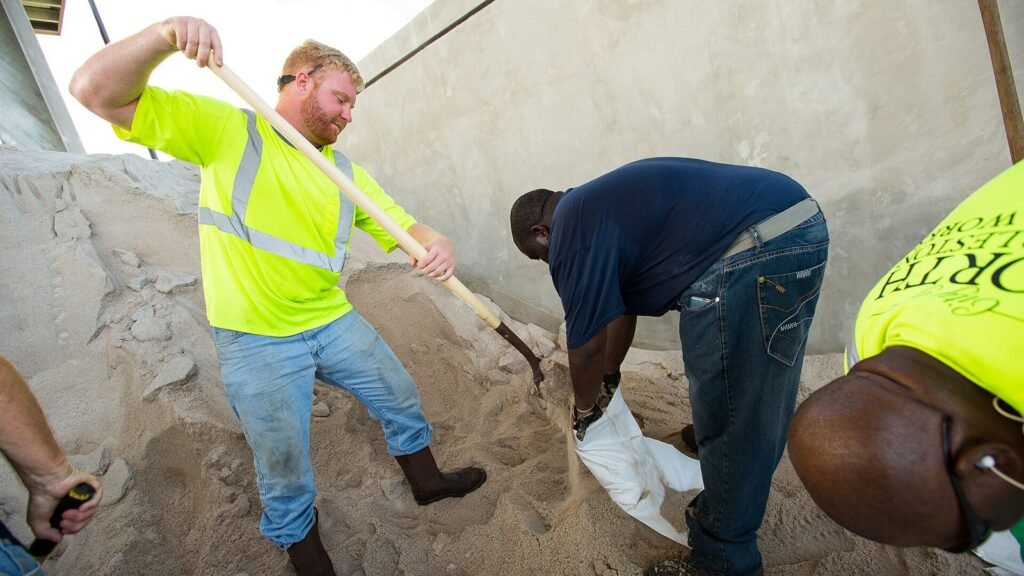
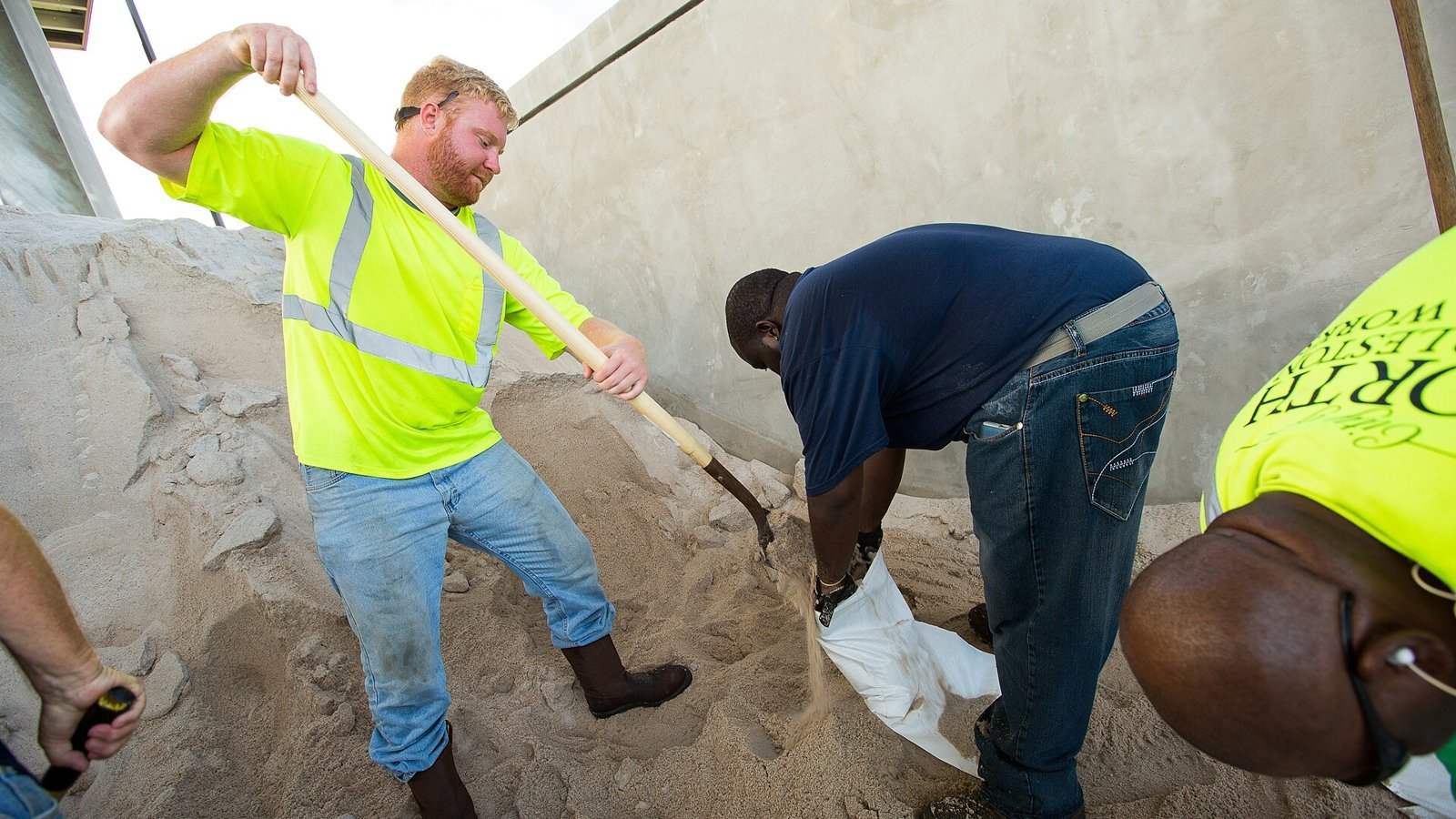
If runoff tends to collect near your doors or garage, have sandbags on hand before storms arrive. Many cities and fire stations give them away, but Fontana notes that supplies can run low once storms hit. At the end of the season, empty them rather than leaving wet bags against the house.
Tie down or bring in trash cans, patio furniture and play equipment so wind doesn’t turn them into projectiles or carry them into drains.
Storms can bring down trees and power lines, and outages can last for days. Keep flashlights, batteries and charged power banks ready, and decide where you’d go if you couldn’t stay home. If anyone relies on powered medical equipment or refrigerated medication, arrange a backup now. Run generators only outdoors, away from doors, windows and vents, and use flashlights rather than candles. A surge protector can also help protect electronics when power comes back on.
Walk through each room with your phone and record a video or photos of your belongings. Store important papers, like IDs and insurance documents, in a waterproof bag, with copies saved online. This makes any insurance claim much easier.
Register for your city or county emergency alerts and check your area’s forecast often when storms are expected. The National Weather Service at weather.gov is the official source for watches and warnings. A watch means hazardous weather is possible; a warning means it’s happening or expected soon.
A warmer-than-average outlook doesn’t mean no winter. NOAA’s outlook covers average conditions over three months, and cold snaps still happen. If you’re in the Midwest or Northeast, it’s still worth taking steps to protect your pipes and plants before a hard freeze. NOAA is also adding “Particularly Dangerous Situation” wording to select blizzard and ice storm warnings this season to flag the rare storms of historic severity.
No. It shifts the odds toward a wetter season in the South and along the East Coast, but it doesn’t set the timing, track or strength of any single storm. Dry, windy stretches can still happen during a wet season.
Standard homeowners and renters policies generally don’t cover flood damage. You need a separate flood policy, and new policies usually have a 30-day waiting period, so check your coverage with your insurer or FloodSmart.gov now.
NOAA’s winter outlook covers December 2026 through February 2027. Local guidance, like Fontana’s, says El Niño conditions are expected to continue through the winter.
Many cities, counties and fire stations offer free sandbags to residents, and home improvement stores sell sand and bags. Check your city’s website, and pick them up early.